When summer rolls around, the last thing anyone wants is a pool that resembles a science experiment gone wrong. Algae can turn that refreshing oasis into a murky swamp faster than you can say “pool party.” But fear not! Tackling pool algae is easier than you might think, and a little know-how can save your summer fun.
Understanding Pool Algae
Pool algae presents significant challenges for maintaining a clean swimming environment. Several types of algae can infiltrate pools, each with unique characteristics and treatment requirements.
Types of Pool Algae
Green algae represents the most common type found in swimming pools. This fast-growing algae can turn water green and cloudy. Yellow or mustard algae often grows in shady areas, giving a sandy appearance to pool surfaces. Black algae, known for its resilience, forms stubborn black patches on pool walls. Each type of algae necessitates specific treatment approaches for effective removal.
Causes of Algae Growth
Several factors contribute to algae growth in pools. Insufficient chlorine levels allow algae spores to thrive. Warm water temperatures, especially during summer, create ideal conditions for algae proliferation. Poor circulation can also promote growth, as stagnant water lacks proper filtration. Additionally, debris accumulation and high phosphates in water can exacerbate algae problems. Maintenance practices significantly impact algae development, making regular pool care essential.
Pool Algae Treatment Methods
Addressing pool algae requires effective strategies. Multiple methods exist to restore clarity and hygiene to swimming pools.
Chemical Treatments
Chlorine shock treatments eliminate algae rapidly. This process involves adding a high dose of chlorine to the water, killing the algae instantly. Algaecides serve as another option, specifically designed for targeted algae problems. These chemicals can suppress or prevent algae growth when used according to manufacturer instructions. Regular testing of chlorine levels and pH ensures that the pool’s water remains balanced. A clear water circulation system maximizes treatment effectiveness and prolongs results.
Natural Remedies
Baking soda acts as an effective natural remedy against algae. This household item raises water alkalinity, improving chlorine effectiveness. Vinegar can also help; it lowers pH levels and disrupts algae growth. Adding enzymes into the water boosts the breakdown of organic material that fuels algae growth. Essential oils, such as tea tree oil, possess antifungal properties and can serve as a natural deterrent. Individuals seeking options without chemicals find these remedies beneficial.
Preventive Measures
Regularly maintaining chlorine levels prevents algae buildup. Scheduled cleanings to remove debris from the pool floor eliminates potential algae food sources. Using a pool cover during off-seasons restricts algae exposure to sunlight. Routine vacuuming enhances water circulation, decreasing stagnation spots where algae thrive. Installing a quality filtration system ensures optimal water clarity. Paying attention to phosphates in pool water significantly reduces algae risk, promoting a healthier swimming environment.
Choosing the Right Treatment
Selecting an effective pool algae treatment requires careful consideration of various elements. Treatment choice depends on algae type, pool size, and existing chemical levels.
Factors to Consider
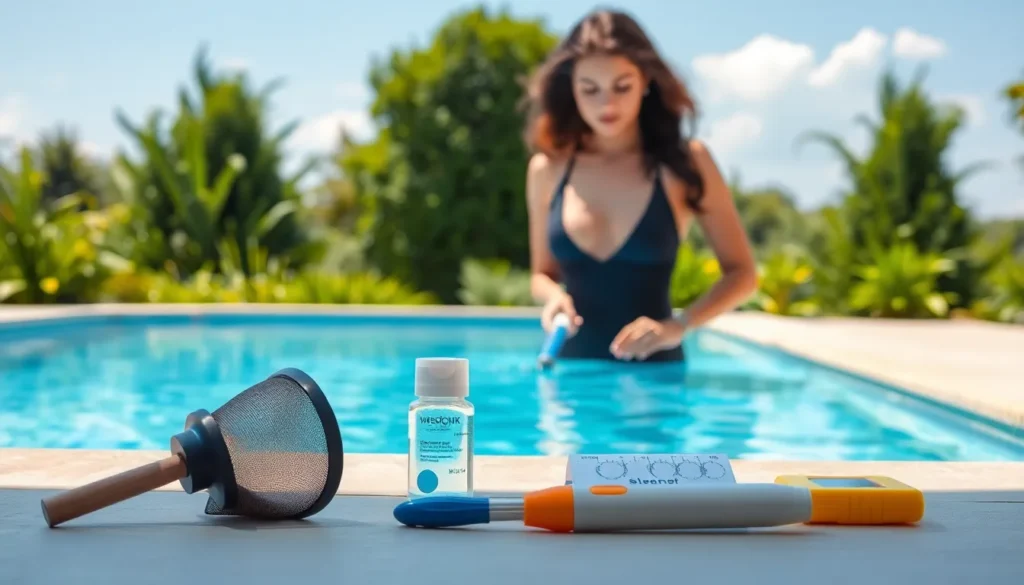
Type of algae significantly influences treatment effectiveness. Green algae responds well to chlorine shock while yellow algae often requires specific algaecides. Pool volume matters; larger pools need more substantial doses to ensure complete algae eradication. Existing chemical levels also impact choices; low chlorine necessitates immediate adjustment before applying treatments. Maintenance practices define long-term effectiveness; regular brushing and vacuuming enhance treatment results, further reducing algae growth. Water testing plays a crucial role; testing kits help assess pH and chlorine levels, ensuring that pool chemistry supports chosen treatment methods.
Cost-Effectiveness
Cost-effectiveness of algae treatments varies widely. Chemical treatments like chlorine and algaecides offer immediacy but can accumulate significant expenses over time. Natural alternatives, such as baking soda or vinegar, provide affordable options without harsh chemicals, offering versatility and safety. Evaluating long-term benefits helps determine which option suits the budget better. Investing in high-quality filtration systems can mitigate costs by preventing algae growth from the start, supporting overall pool health. While initial costs might seem higher, effective preventive measures often lead to savings in future treatments.
Maintenance After Treatment
Proper maintenance after treating pool algae ensures long-term cleanliness and a healthy swimming environment. Follow these guidelines to keep pools fresh and inviting.
Regular Cleaning Tips
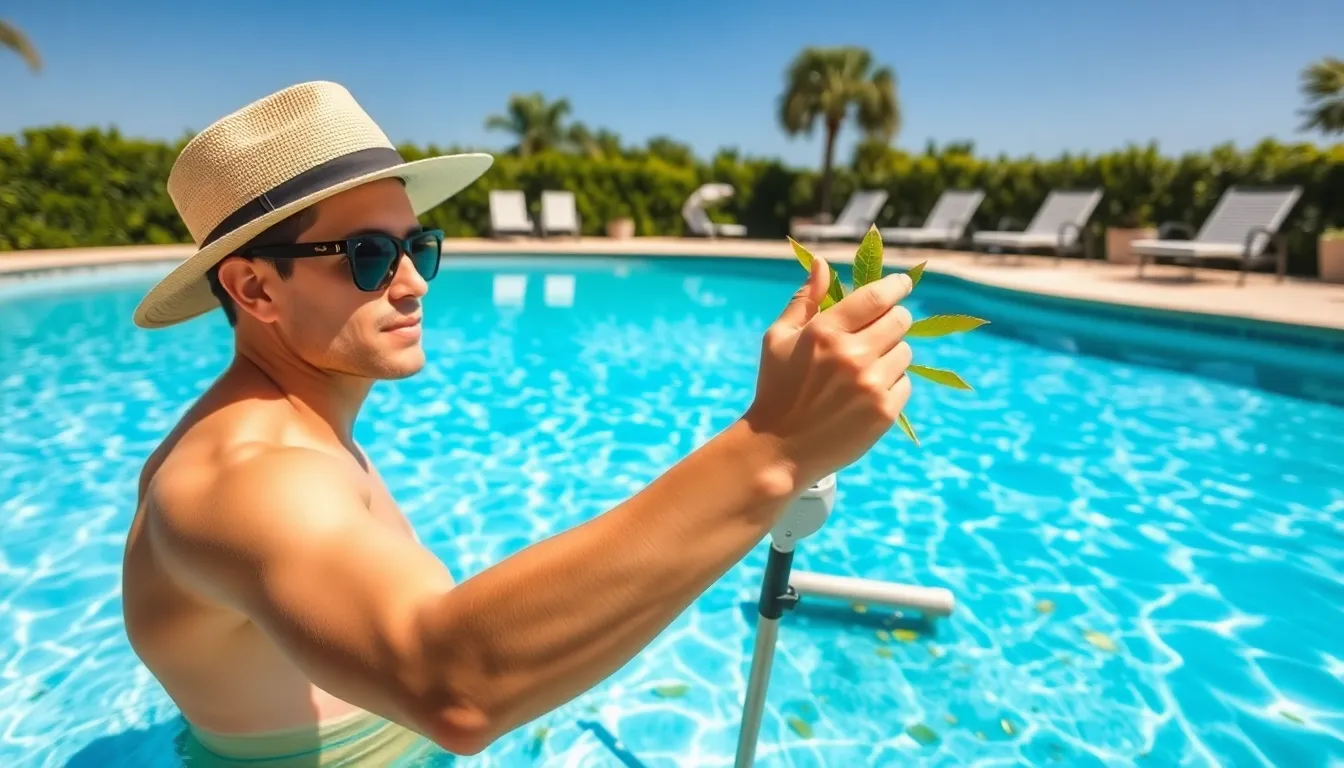
Establish a regular cleaning routine to prevent algae from returning. Skim the surface daily for leaves and debris. Brush the pool walls and floor weekly to eliminate any lingering algae spores. Vacuuming should happen at least once a week. Additionally, keeping the skimmer basket and filters clean promotes optimal circulation and helps remove any particles that contribute to algae growth. Review the pool cover for tears or gaps regularly. A functional cover reduces debris accumulation when the pool is not in use.
Monitoring Water Quality
Monitoring water quality protects against future algae blooms. Test the pool water twice a week to ensure appropriate levels of pH and chlorine. Ideal pH levels range from 7.2 to 7.8, while chlorine should typically stay between 1 to 3 parts per million. Adjust chemical levels as needed. Include regular checks for other factors like alkalinity and phosphates, which can encourage algae growth. Address any imbalances promptly. Setting a consistent schedule for testing water quality fosters a healthy swimming environment and maximizes the effectiveness of maintenance efforts.
Maintaining a clean swimming pool free from algae is essential for enjoyment and safety. By understanding the types of algae and their treatment methods, pool owners can tackle these challenges effectively. Regular maintenance routines play a crucial role in preventing algae growth and ensuring a healthy swimming environment.
Investing in quality filtration systems and adhering to proper water testing protocols can significantly reduce the likelihood of future algae issues. With the right approach and commitment to upkeep, anyone can enjoy a sparkling clean pool throughout the summer season.