

Imagine walking into a room that feels like a warm hug—soft, inviting, and just the right amount of cozy. That’s the magic of ambient lighting. It’s not just about illuminating a space; it’s about setting a mood that can turn a dull evening into a delightful experience. Whether it’s a romantic dinner or a Netflix binge session, the right lighting can make all the difference.
Understanding Ambient Lighting
Ambient lighting creates a warm atmosphere that enhances the experience within a room. It provides essential illumination while contributing significantly to the overall ambiance.
Definition of Ambient Lighting
Ambient lighting refers to the general illumination within a space. This type of lighting ensures that areas remain well-lit without creating harsh shadows or glaring lights. Typically achieved through overhead fixtures, wall sconces, or floor lamps, ambient lighting supports visibility for everyday activities. It serves as the foundation layer of lighting design, blending practical needs with aesthetic appeal.
Importance in Interior Design
Ambient lighting plays a crucial role in interior design by establishing the mood and enhancing the functionality of a space. It influences how colors appear, impacts spatial perceptions, and highlights architectural features. Effective ambient lighting can transform a room, making it feel cozy or spacious. Designers prioritize ambient lighting to create inviting environments for specific activities. Strategic placement ensures a balanced distribution of light, improving the overall design and user experience.
Types of Ambient Lighting
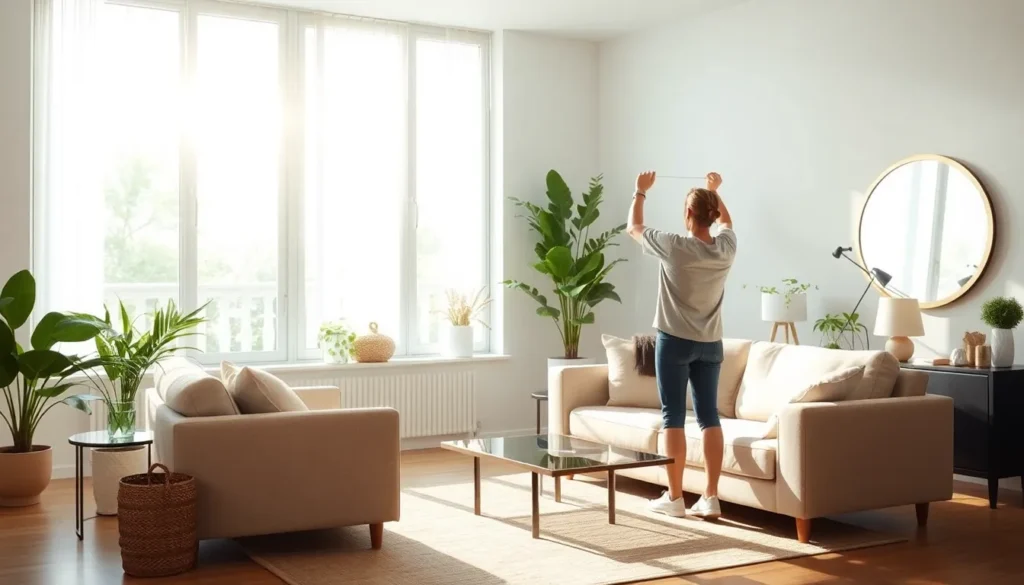
Ambient lighting can be categorized into two main types: natural and artificial. Each type contributes uniquely to the overall ambiance of a space.
Natural Ambient Lighting
Natural ambient lighting relies on daylight as its primary source. Sunlight streaming through windows creates a vibrant atmosphere, enhancing color perception and spatial awareness. Additional elements, such as skylights and strategically placed mirrors, help distribute light more evenly throughout a room. Adjustable window treatments offer flexible control over brightness levels. Natural lighting promotes well-being, improving mood and productivity within a space.
Artificial Ambient Lighting
Artificial ambient lighting includes various fixtures designed to mimic the qualities of natural light. Overhead fixtures, recessed lighting, and wall-mounted sconces provide a warm, welcoming glow during evening hours. Different bulbs, like LED and incandescent, offer unique color temperatures that affect the room’s mood. Dimmers enhance versatility, allowing light intensity to match different activities. Layering artificial sources creates depth and interest, ensuring a balanced and inviting environment.
Benefits of Ambient Lighting
Ambient lighting offers multiple advantages that significantly enhance a space’s overall experience.
Enhancing Mood and Atmosphere
Ambient lighting creates a warm, inviting environment suitable for various activities. Properly diffused light fosters relaxation, ideal for unwinding after a long day. Spaces illuminated with soft, ambient light naturally invite social interaction, making them perfect for gatherings. The right tone of light influences emotions; cooler tones energize while warmer tones calm. Effective use of color temperature enhances the aesthetic appeal, transforming any area into a cozy haven.
Improving Functionality and Comfort
Functionality and comfort in spaces benefit immensely from ambient lighting. It provides even illumination in work areas, reducing eye strain and increasing productivity. Strategically placed ambient lights highlight key features, making spaces feel more expansive. Adjustable lighting options allow users to tailor brightness levels, accommodating different activities and preferences. Safe navigation throughout a home or office becomes easier with ambient lighting that prevents harsh shadows and glaring points. Consider incorporating dimmers and layered sources to adapt the atmosphere to varying needs throughout the day.
Tips for Implementing Ambient Lighting
Implementing ambient lighting effectively can transform any space. Thoughtful design choices enhance the overall experience of a room.
Choosing the Right Fixtures
Selecting suitable fixtures greatly influences the quality of ambient lighting. Overhead lights like chandeliers or flush mounts can provide general illumination. Wall sconces contribute softness, creating inviting pools of light. Floor lamps offer versatility, especially in larger areas or reading nooks. Using dimmable fixtures helps control brightness levels, allowing adaptation for various activities. A mix of styles can blend seamlessly with decor while ensuring adequate lighting.
Layering Lighting Sources
Layering different lighting sources adds depth and dimension to a room. Combining ambient, task, and accent lighting creates a balanced atmosphere. Ambient fixtures provide overall illumination, while task lights focus on specific activities, such as reading or cooking. Accent lighting highlights architectural features or artwork, drawing attention to focal points. Incorporating dimmers in all layers allows customization based on mood and time of day. Properly layered lighting ensures a functional yet aesthetically pleasing environment.
Ambient lighting is an essential element in creating a comfortable and inviting space. Its ability to influence mood and enhance the overall aesthetic cannot be overstated. By thoughtfully incorporating natural and artificial light sources, individuals can tailor their environments to suit various activities and preferences.
The strategic use of fixtures like chandeliers and wall sconces, along with adjustable brightness options, allows for a versatile atmosphere. This not only improves functionality but also promotes well-being. Ultimately, mastering ambient lighting can transform any room into a welcoming haven, making it a vital consideration in interior design.