A pool bar turns a basic backyard pool into a destination. Whether hosting a weekend barbecue or winding down after work, a dedicated bar area adds functionality and social appeal that standard poolside furniture can’t match. It’s where drinks stay cold, guests gather, and the vibe shifts from ordinary to vacation-worthy. The good news? Building a pool bar doesn’t require a major renovation or a contractor’s invoice. From simple DIY setups to full swim-up installations, homeowners can choose designs that fit their skill level, budget, and space.
Table of Contents
ToggleKey Takeaways
- Backyard pool bar ideas range from budget-friendly DIY pallets and rolling carts under $200 to luxury swim-up installations costing $5,000+, allowing homeowners to choose based on skill and budget.
- A well-designed pool bar increases home appeal, creates a natural gathering space, and can be updated or relocated as needs change—making it a flexible, non-permanent investment.
- Essential features include storage for glassware and supplies, cooling options like undercounter fridges, shade structures, and weather-resistant seating in marine-grade materials.
- Swim-up bars require structural integration, plumbing permits, and GFCI-protected electrical work—hiring licensed professionals is recommended unless you have specialized experience.
- Tiki and tropical-themed pool bars use affordable materials like split bamboo and synthetic thatch, while modern minimalist designs prioritize clean lines, concrete countertops, and hidden storage with stainless steel accents.
- Adding a bar sink, LED lighting, and GFCI-protected outlets extends usability into evening hours and simplifies cleanup, though plumbing work may require trenching and professional installation.
Why Add a Pool Bar to Your Backyard?
A pool bar serves a clear purpose: it keeps drinks, snacks, and serving supplies right where they’re needed. No more trekking inside for refills or balancing plates on lounge chairs. It also creates a natural gathering spot, pulling people away from scattered seating into a central, social zone.
Beyond convenience, a well-designed bar increases property appeal. Outdoor entertaining upgrades consistently rank high for home buyers, especially in warmer climates where outdoor living is year-round. It’s also a statement piece that defines the pool area’s style, whether that’s coastal tiki, sleek modern, or rustic farmhouse.
Finally, a pool bar offers flexibility. Unlike permanent structures, many designs can be updated, relocated, or scaled up as needs change. Start with a simple cart-style bar, then expand to a built-in counter with plumbing later.
Budget-Friendly DIY Pool Bar Ideas
Pallet bars remain one of the most accessible DIY options. Standard wood pallets (48 inches x 40 inches) can be stacked, sanded, and fastened with deck screws to create a bar frame. Add a treated lumber or composite countertop, seal everything with exterior stain, and the result is a functional bar for under $150 in materials. Use a circular saw to trim pallets to size, or keep a miter saw handy for cleaner angled cuts on trim pieces.
Another low-cost route is repurposed furniture. An old dresser, credenza, or kitchen island can be retrofitted with weatherproof paint, marine-grade varnish, and a tiled or concrete countertop. Remove interior drawers to create open storage for coolers, glassware, or pool supplies. This approach works best under a covered patio to avoid constant rain exposure.
Rolling bar carts offer the ultimate in flexibility. A welded steel or powder-coated aluminum cart with locking casters can be moved to the pool deck, patio, or garage as needed. Build one using ¾-inch conduit pipe, flanges, and a butcher block top. Total cost typically runs $100–$200, and no permanent footings or permits are required.
For homeowners focused on backyard party upgrades, adding hooks for bottle openers, towel bars, and a small sink basin (gravity-fed from a 5-gallon jug) elevates the setup without adding complexity.
Swim-Up Bar Designs for the Ultimate Luxury Experience
A swim-up bar is exactly what it sounds like: a counter built into or directly adjacent to the pool, allowing swimmers to order drinks without leaving the water. This design requires structural integration during pool construction or a significant retrofit if adding to an existing pool.
Most swim-up bars feature a raised countertop (around 42 inches above the pool floor) with submerged seating, either a built-in bench or individual bar stools anchored to the pool bottom. The bar itself sits on the pool deck, often cantilevered over the water by 12–18 inches. Countertops are typically granite, concrete, or porcelain tile, materials that handle moisture and UV exposure without warping or fading.
Plumbing and electrical work add complexity. Running a water line for a sink requires trenching from the house or a nearby outdoor spigot, and GFCI-protected electrical circuits are mandatory for any outlets, blenders, or refrigeration near water. Most jurisdictions require permits for this level of work. Unless the homeowner has plumbing and electrical experience, hiring licensed pros is the safer call.
Design inspiration from platforms like Houzz shows swim-up bars ranging from minimalist concrete ledges to elaborate stone structures with built-in grills and pergolas. Expect costs to start around $5,000–$10,000 for materials and labor on a basic setup, climbing quickly with custom tile, lighting, or water features.
Tiki and Tropical-Themed Pool Bars
Tiki bars lean into escapism. Bamboo, thatch roofing, and weathered wood create that beachside resort vibe, even in a landlocked suburb. The structure itself is often simple, a 2×4 or 4×4 stud frame clad in split bamboo fencing or palm thatch panels. These materials are available at most home centers in 8-foot rolls and can be stapled or zip-tied directly to framing.
Roofing options include synthetic thatch (more durable and fire-resistant than natural palm) or a traditional palapa-style umbrella. If building a permanent roof structure, check local codes, some areas classify tiki bars as accessory structures requiring setback clearances and height limits per International Residential Code (IRC) standards.
Countertops for tiki bars often use concrete finished with a tropical aggregate mix (crushed shells, colored glass) or reclaimed wood sealed with marine epoxy. Add string lights, tiki torches (kept at safe distances from thatch), and vibrant paint colors like turquoise, coral, or lime green.
Accessorize with carved wooden signs, vintage surfboards, or a mounted bottle opener. For a functional touch, install a stainless steel drop-in cooler directly into the countertop, these are available in various sizes and keep ice longer than standard coolers. Many homeowners expanding their outdoor entertainment setups find that tiki bars double as conversation starters and photo backdrops.
Modern and Minimalist Poolside Bar Setups
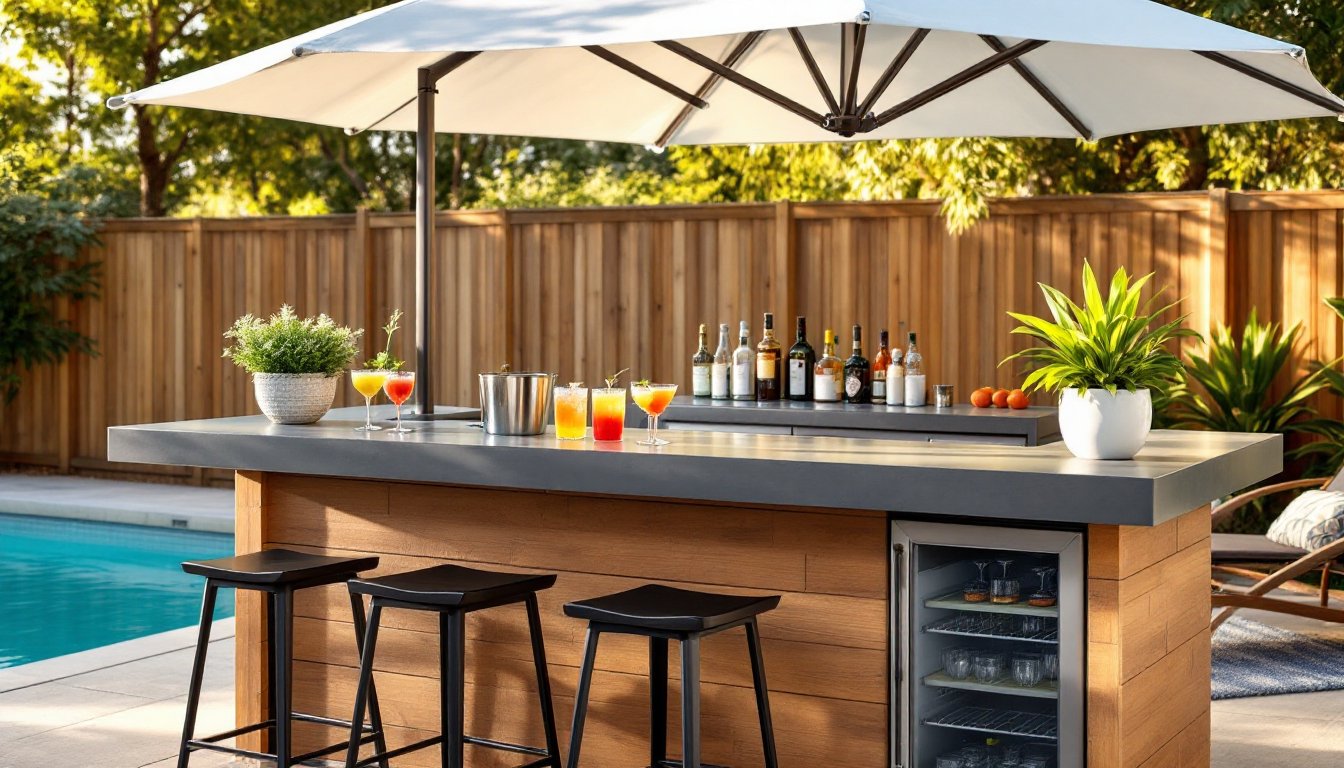
Modern pool bars strip away ornament in favor of clean lines, neutral palettes, and high-quality materials. Think concrete countertops, stainless steel accents, and composite or IPE decking for the bar face. The goal is seamless integration with contemporary architecture, no visual clutter, no competing styles.
Framing typically uses pressure-treated 2x4s or steel studs for a slimmer profile. Cladding options include fiber cement panels (like Hardie board), stucco, or horizontal slat siding in charcoal, white, or natural wood tones. Countertops are often poured concrete (sealed with a food-safe penetrating sealer) or large-format porcelain slabs that mimic marble or granite.
Storage stays hidden. Drawers and cabinets use soft-close European hinges and handle-less push-latch doors. Refrigeration is typically a 24-inch undercounter beverage fridge, brands like EdgeStar or Blaze offer outdoor-rated units with stainless steel exteriors that resist rust.
Lighting is understated: LED strip lights recessed under the counter overhang or low-profile sconces mounted to adjacent walls. Avoid overly warm color temperatures: 3000K–4000K maintains a crisp, modern feel without the harshness of daylight white.
Design cues from home improvement shows often emphasize symmetry, built-in seating, and integrated planters with architectural grasses or succulents.
Essential Features to Include in Your Pool Bar
Storage is non-negotiable. Dedicate space for glassware, bar tools, napkins, sunscreen, and pool toys. Open shelving works for display: closed cabinets keep supplies protected from weather and pests. If building custom cabinets, use marine-grade plywood and stainless steel or brass hardware to prevent corrosion.
Cooling keeps drinks cold and food safe. Options range from a basic 70-quart cooler tucked under the counter to a built-in kegerator or wine fridge. Outdoor-rated refrigerators include extra insulation and sealed compressors to handle temperature swings and humidity.
Shade matters, especially in southern climates. A 10×10-foot pergola with a retractable canopy, a cantilever umbrella, or a fixed roof structure keeps bartenders and guests comfortable during peak sun hours. If building a permanent shade structure, verify whether it requires a permit, many jurisdictions have size thresholds (commonly 120 square feet) that trigger permitting.
Plumbing is a luxury but worth the investment if the budget allows. A small bar sink (around 15 inches wide) with a faucet and drain line makes cleanup infinitely easier. Drain water to the landscape (check local greywater regulations) or tie into the home’s drainage system. Running a water line typically requires trenching and may need a licensed plumber depending on local codes.
Lighting extends usability into the evening. Battery-powered or solar LED strips offer the easiest install: hardwired 120V landscape lighting requires GFCI protection and often a permit. For those planning broader patio entertainment upgrades, integrated lighting across the pool bar, seating areas, and pathways creates a cohesive nighttime experience.
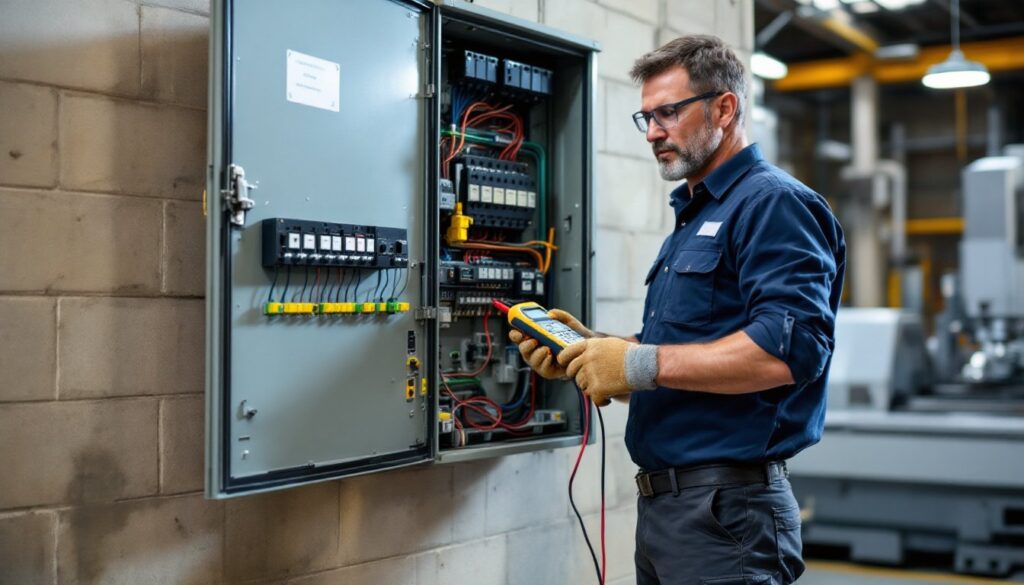
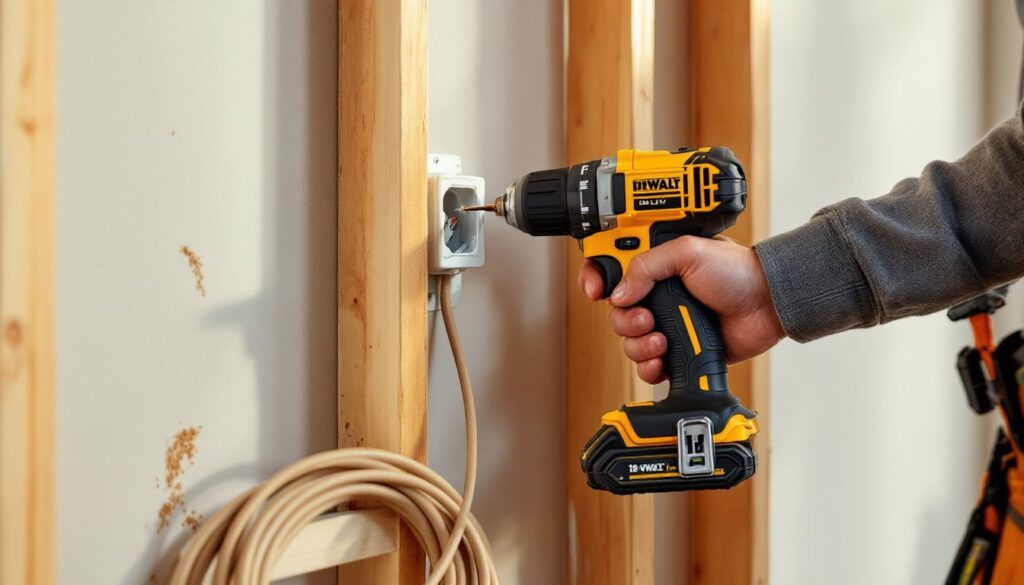
Electrical outlets (GFCI-protected, weatherproof covers) power blenders, speakers, or phone chargers. Install at least one 20-amp circuit if running multiple appliances. All outdoor electrical work should follow NEC (National Electrical Code) guidelines, if unfamiliar with wiring, hire a licensed electrician.
Seating anchors the social function of the bar. Bar-height stools (seat height around 30 inches for a 42-inch counter) in weather-resistant materials, powder-coated aluminum, synthetic wicker, or teak, hold up to poolside conditions. Anchor stools to the deck if wind is a concern, using L-brackets and stainless fasteners.
Finally, design insights from outdoor bar experts often emphasize integrating planters, hooks for towels, and bottle openers into the bar structure itself, small details that boost both function and style.
Conclusion
A pool bar is more than a place to mix drinks, it’s the anchor of outdoor living. Whether building a simple pallet bar over a weekend or investing in a swim-up setup, the key is matching the design to how the space gets used. Start with the essentials, storage, shade, seating, and layer in features like plumbing or lighting as budget and skill allow. The result is a backyard that feels less like a chore and more like a getaway.