Semi inground pools offer the best of both worlds, lower installation costs than fully inground pools and a more refined look than above-ground options. They’re becoming a go-to solution for homeowners dealing with sloped yards, rocky terrain, or tight budgets who still want the feel of a custom pool. Whether you’re working around a hillside lot or just want a pool deck that doesn’t require a stepladder to access, semi inground designs offer flexibility that traditional pools can’t match. This guide breaks down design ideas, deck configurations, landscaping strategies, and finishing touches to help homeowners plan a semi inground pool that looks intentional, not like a compromise.
Table of Contents
ToggleKey Takeaways
- Backyard semi inground pool ideas range from natural stone integration to modern minimalist designs, offering cost-effective solutions ($10,000–$25,000) compared to traditional inground pools while requiring faster installation and less excavation.
- Semi inground pools are ideal for sloped yards, shallow bedrock, or high water tables, and deck layout—whether wraparound, L-shaped, or single-sided—dramatically impacts usability and the visual weight of the structure.
- Strategic landscaping with evergreen shrubs, ornamental grasses, and proper grading (minimum 2% slope) screens exposed pool walls, prevents water runoff issues, and prevents root damage from aggressive plants like willows or poplars.
- Layered lighting (in-pool LED fixtures, recessed deck lights, and landscape spotlights) extends usability and safety, while water features like sheer descent waterfalls or rock spillways add ambiance when properly installed with GFCI protection.
- Semi inground pool designs require compliance with local permitting, setback requirements, and fencing ordinances, and all electrical work for lighting and pumps must meet NEC Article 680 standards for safety.
What Is a Semi Inground Pool and Why Choose One?
A semi inground pool is installed partially below grade and partially above, typically with one-third to one-half of the pool wall exposed. Unlike true inground pools that require full excavation, semi inground models are designed to be buried up to two feet, depending on manufacturer specs. Most are constructed from resin, steel, or hybrid materials rated for partial burial, standard above-ground pools aren’t structurally sound for this application.
The main draw is cost. Semi inground installation typically runs $10,000 to $25,000, compared to $30,000 and up for inground fiberglass or concrete pools. Regional soil conditions and labor rates will shift those numbers, but the gap remains significant.
They’re ideal for properties with high water tables, shallow bedrock, or significant slopes where full excavation isn’t feasible without extensive grading or blasting. They also sidestep some permitting headaches, many jurisdictions classify them as temporary structures if they’re removable, though you’ll need to verify local codes. Don’t assume you can skip permits entirely: setback requirements and fencing ordinances still apply.
Another advantage: faster installation. Because you’re not excavating a full hole, digging, backfilling, and compaction take days instead of weeks. Most semi inground pools can be up and running in a long weekend with a crew of three and a skid steer for site prep.
Design Styles for Semi Inground Pools
Natural Stone and Rock Integration
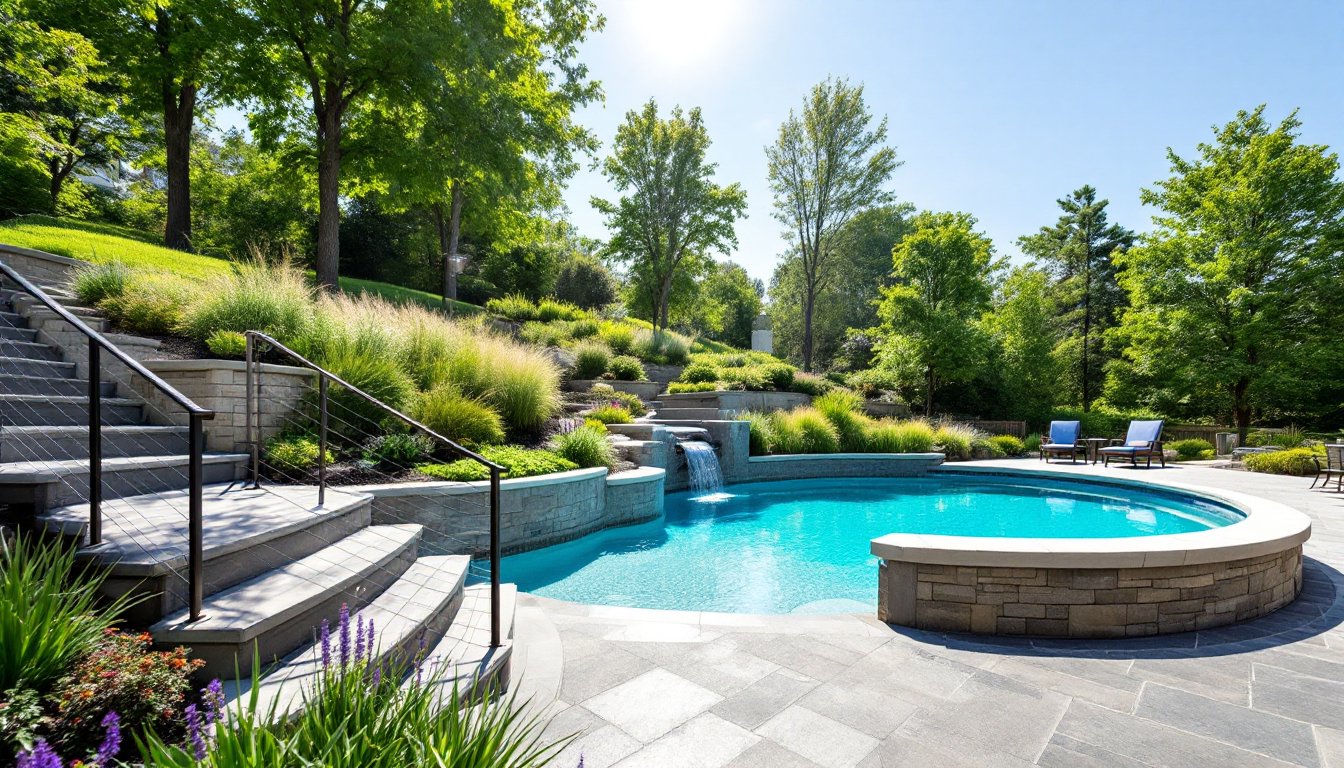
If the property already has boulders, ledge, or natural stone outcroppings, work with them instead of against them. Semi inground pools can be nestled into a hillside and surrounded by fieldstone, flagstone, or stacked slate to mimic a natural swimming hole.
Use crushed stone backfill (3/4-inch clean stone works well) around the exposed pool walls, then cap with larger boulders or dry-stacked retaining walls. This disguises the pool shell and creates planting pockets for low-maintenance perennials like sedum, creeping thyme, or ornamental grasses. Garden design approaches that emphasize native plantings help the pool blend into wooded or rocky sites.
For a more polished natural look, consider a flagstone coping and patio. Pennsylvania bluestone and Tennessee crab orchard stone are durable, slip-resistant, and age well in freeze-thaw climates. Set them in a sand-set or mortar-bed installation, depending on your frost line and base prep. Sand-set is more forgiving for DIY work but requires edge restraint and proper compaction of the base.
Modern Minimalist Semi Inground Designs
Clean lines and restrained materials define this style. Instead of camouflaging the pool, the goal is a composed, architectural look.
Start with a composite or PVC deck in a single color, grays, charcoals, and warm browns work best. Trex, TimberTech, and Azek all make hollow-profile boards rated for ground contact: use those for rim joists and any framing that touches backfill. Frame the deck with aluminum or steel fascia to hide the pool wall and create a continuous, finished edge.
Keep plantings minimal and structural: boxwood hedges, ornamental grasses in galvanized planters, or a single specimen tree like a Japanese maple. Avoid fussy flower beds. Hardscaping should do most of the visual work. Poured concrete patios with control joints on a 10-foot grid or large-format pavers (24×24-inch concrete or porcelain) give a crisp, contemporary feel. Incorporate features that suit a backyard entertainment space, like built-in seating or a fire feature adjacent to the deck.
Deck and Patio Configurations That Maximize Space
Deck layout has a huge impact on usability. Semi inground pools often sit higher than grade on at least one side, so decking becomes functional, not just decorative.
A wraparound deck is the most versatile option. Build it at the pool rim height, cantilevered 12 to 18 inches over the pool wall to maximize swim area and reduce the visual bulk of the structure. Use 2×6 or 5/4×6 decking on 16-inch centers for composite, or 12-inch centers for dimensional lumber. Because part of the pool is buried, you’ll likely have one side at grade and another requiring stairs or a multi-level deck. Plan transitions carefully, 7-inch rise and 11-inch tread is code-compliant for most jurisdictions and comfortable for wet feet.
For smaller yards, an L-shaped or single-side deck conserves space and material. Focus decking on the entry side and use patio pavers or stamped concrete on the downhill or less-used side. This gives you the deck feel where it matters without surrounding the entire pool.
Integrated bench seating is a simple upgrade. Frame a 2×12 or 2×10 bench along one edge of the deck, 18 inches high and 16 to 20 inches deep. Add waterproof cushions or leave it bare for a wet zone. Built-in storage underneath, accessed via a hinged lid, keeps pool chemicals, toys, and maintenance tools out of sight.
Safety rail requirements vary, but if any section of the deck is more than 30 inches above grade, you’ll likely need a 42-inch guardrail with balusters spaced no more than 4 inches apart. Aluminum or cable rail systems maintain sightlines better than wood pickets and require less maintenance. Understanding ongoing maintenance requirements helps when selecting materials.
Landscaping Ideas to Enhance Your Semi Inground Pool
Landscaping should solve two problems: screen the exposed pool walls and manage water runoff. Both matter for longevity and aesthetics.
Start by grading the area around the pool to direct runoff away from the structure. A minimum 2% slope (1/4 inch per foot) prevents pooling and erosion. If you’re on a hillside, consider a shallow swale or dry creek bed lined with river rock to channel water safely.
Evergreen shrubs like boxwood, inkberry holly, or compact arborvitae provide year-round screening. Plant them 18 to 24 inches from the pool edge to allow for mature spread without interfering with deck framing or liner access. Avoid plants with aggressive root systems, willows, poplars, and some maples can damage pool walls and plumbing over time.
For a softer, less formal look, mass plantings of ornamental grasses (like Karl Foerster feather reed grass or little bluestem) add movement and texture without heavy maintenance. Pair them with hardy perennials like black-eyed Susan, coneflower, or daylilies that tolerate splashing and occasional chlorine exposure.
Mulch beds around plantings with shredded hardwood or pine bark, 2 to 3 inches deep. Skip rubber mulch near pools, it floats, discolors over time, and can clog skimmers. Stone mulch works if you’re going for a modern or xeriscape aesthetic, but it gets hot underfoot in summer.
If the pool sits on a slope, timber or stone retaining walls can terrace the grade and create planting zones at different levels. Pressure-treated 6×6 timbers or Allan block-style segmental walls are DIY-friendly. For walls over 4 feet high, consult a structural engineer or landscape architect, those require proper drainage, geogrid reinforcement, and often a permit. Choosing a low-maintenance setup reduces the workload once landscaping is in place.
Lighting and Water Features for Ambiance
Lighting extends usability and adds safety. Semi inground pools benefit from layered lighting: in-pool, perimeter, and landscape layers.
LED pool lights are standard now, 12V models are safer and easier to retrofit than old 120V incandescent fixtures. Most semi inground pools accept standard 1.5-inch return fitting lights or magnetic surface-mount models. If the pool isn’t pre-wired, surface-mount LEDs avoid the cost and hassle of cutting into the liner. Expect to spend $100 to $300 per fixture, plus transformer and wiring.
Perimeter lighting should highlight the deck edge and stairs without glare. Recessed deck lights (low-voltage, 3-inch round housings) installed between decking boards mark transitions and railings. Space them 4 to 6 feet apart along stairs and high-traffic zones. Step lights integrated into riser faces are even better, they light the tread without hotspots.
For landscape lighting, use 3W to 5W LED spotlights on shrubs, specimen trees, or stone features. Warm white (2700K to 3000K) looks more natural than cool white. Run low-voltage cable (12/2 or 14/2 landscape wire) in conduit if it crosses walkways or high-traffic areas to prevent accidental cuts during edging or mulching.
Water features don’t need to be complicated. A deck-mounted sheer descent waterfall (typically 12, 24, or 36 inches wide) creates a clean, contemporary water effect without taking up pool space. These require a dedicated pump (1/2 to 1 HP) and plumbing runs of 1.5-inch PVC. Installation is straightforward if you’re comfortable with basic PVC solvent welding, but the pump should be wired by a licensed electrician unless you’re confident working with GFCI-protected 120V circuits per NEC Article 680.
For a natural aesthetic, a rock waterfall or spillway built into the hillside above the pool mimics a stream. Use a submersible pump (2000 to 4000 GPH, depending on height and flow) in a buried reservoir or skimmer basket. Conceal the tubing with stone and plantings. EPDM pond liner or a preformed spillway basin prevents leaks. This approach pairs well with resources on regional outdoor water features. Budgeting for the added electrical and plumbing needs is easier when factoring in typical monthly costs.
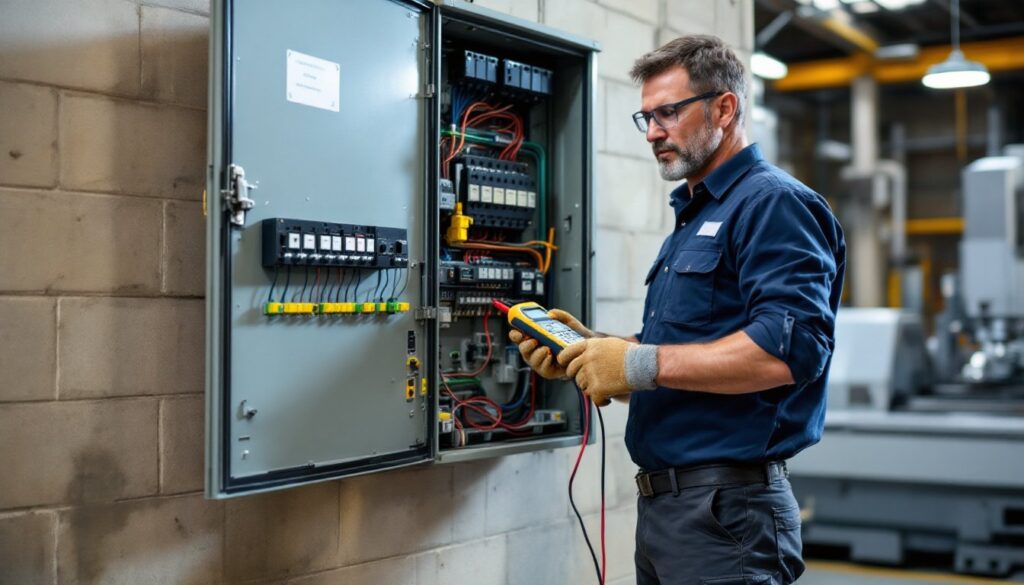
Safety reminder: All pool lighting and water feature electrical work must meet NEC Article 680 requirements, including bonding of metal components and GFCI protection. If you’re not familiar with pool electrical codes, hire a licensed electrician. Pools and electricity are not a place to learn on the job.