Your home’s electrical system doesn’t announce when it’s degrading, until something fails. That outlet that sparks occasionally, the breaker that trips under load, or the panel with warm spots aren’t minor quirks. They’re warnings. Unlike a leaky faucet you can see, electrical problems hide behind drywall until they become fire hazards or code violations. Finding a qualified local electrician isn’t just about fixing what’s broken: it’s about maintaining the safety and efficiency of a system most homeowners never think about until the lights go out.
Table of Contents
ToggleKey Takeaways
- Regular electrical maintenance near you prevents fire hazards and code violations by catching hidden issues like loose connections and oxidized wiring before they fail.
- Licensed electricians with proper insurance and permits are essential—verify credentials through your state’s licensing board and never hire contractors who skip permits or offer cash discounts.
- Comprehensive electrical maintenance services include panel inspections, GFCI/AFCI testing, outlet upgrades, and surge protection, typically costing $150–$300 for a thorough visit.
- Request itemized estimates from at least three qualified electricians and avoid the cheapest bid, as it often signals corner-cutting or underestimation that leads to surprise costs.
- Ask potential contractors about their experience with your home’s wiring type, warranty terms, response times, and whether they maintain current insurance before signing any contract.
- Preventive maintenance protects your home’s resale value by ensuring electrical systems meet current code and giving buyers documentation of professional care and compliance.
Why Regular Electrical Maintenance Is Essential for Your Home
Electrical systems age differently than plumbing or HVAC. Insulation becomes brittle. Connections loosen from thermal cycling. Aluminum wiring (common in homes built 1965–1973) oxidizes at terminations, creating fire risks. The National Fire Protection Association reports that electrical failures or malfunctions cause roughly 13% of home fires annually.
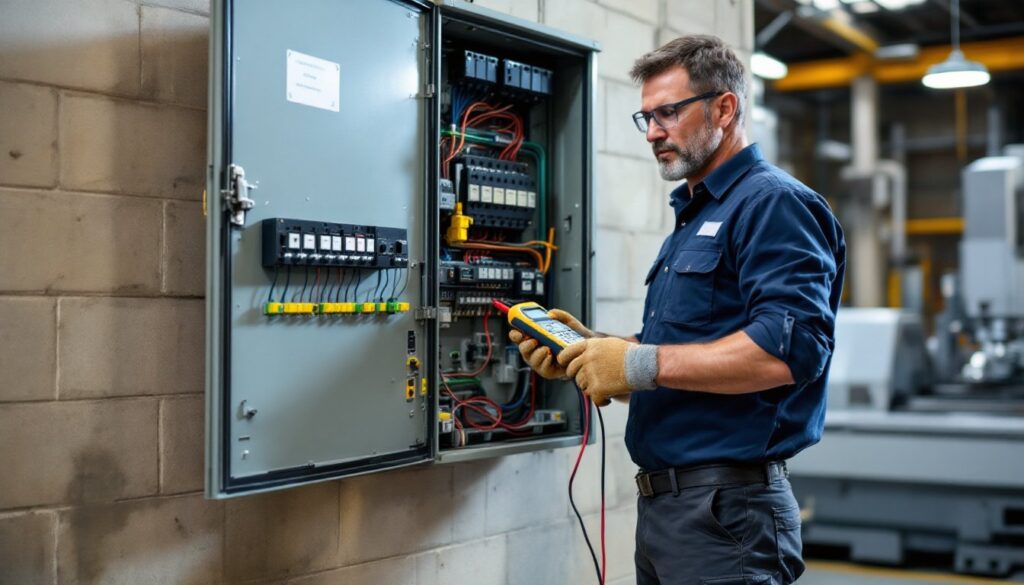
Routine maintenance catches these issues early. A licensed electrician inspects panel connections, tests GFCI and AFCI breakers (required by NEC in wet areas and bedrooms since 2008), and checks for backstabbed outlets, a shortcut that causes connection failures. They’ll thermal-scan panels to spot hot spots indicating loose lugs or overloaded circuits.
For older homes, maintenance often reveals outdated systems. If your panel still uses fuses or lacks a main disconnect, it doesn’t meet current code. If you’re running space heaters that trip breakers, your 100-amp service may not support modern loads. These aren’t DIY discoveries, they require load calculations and knowledge of your local amendments to the IRC and NEC.
Preventive work also protects resale value. Home inspectors flag electrical deficiencies, and buyers negotiate hard on deferred maintenance. A well-documented service history from professional wiring services reassures buyers and may avoid last-minute repair demands.
What to Look for in a Local Electrical Maintenance Provider
Not all electricians handle maintenance the same way. Some focus on new construction: others specialize in service calls and troubleshooting. For routine maintenance, you want someone experienced in residential systems, familiar with local inspection requirements, and responsive when problems arise.
Look for a provider offering comprehensive service agreements. These typically include annual inspections, priority scheduling, and discounted rates on repairs. They’re worthwhile if you have an older home, aluminum wiring, or a history of nuisance trips.
Reputation matters. Check reviews on platforms like Angi to see how contractors handle callbacks, estimate accuracy, and cleanup. Pay attention to mentions of punctuality and communication, electricians who don’t return calls or ghost estimates aren’t worth your time.
Ask if they pull permits for work requiring them (panel upgrades, circuit additions, service changes). Some cut corners to save time or undercut competitors. That’s a red flag. Permitted work gets inspected, ensuring it meets code and protects you from liability if something fails.
Licensing, Insurance, and Certifications
Licensing isn’t optional. Most states require electricians to hold a journeyman or master license issued after passing exams on NEC code and practical application. Verify credentials through your state’s licensing board, many publish searchable databases online.
Insurance protects you if something goes wrong. Confirm the electrician carries both general liability (covers property damage) and workers’ compensation (covers injuries on your property). Ask for certificates of insurance and verify coverage is current. If an uninsured worker gets hurt on your job, you could be liable.
Certifications add value but aren’t always necessary for routine maintenance. Manufacturers offer certifications for specific products (Tesla Powerwall installers, for example). If you have solar, a backup generator, or specialty equipment, ask if the electrician has relevant training. For standard residential work, a valid license and solid references matter more than extra credentials.
Common Electrical Maintenance Services Offered Near You
Local electricians typically offer a range of maintenance services beyond fixing broken outlets. Understanding what’s available helps you request the right work and avoid overpaying for unnecessary extras.
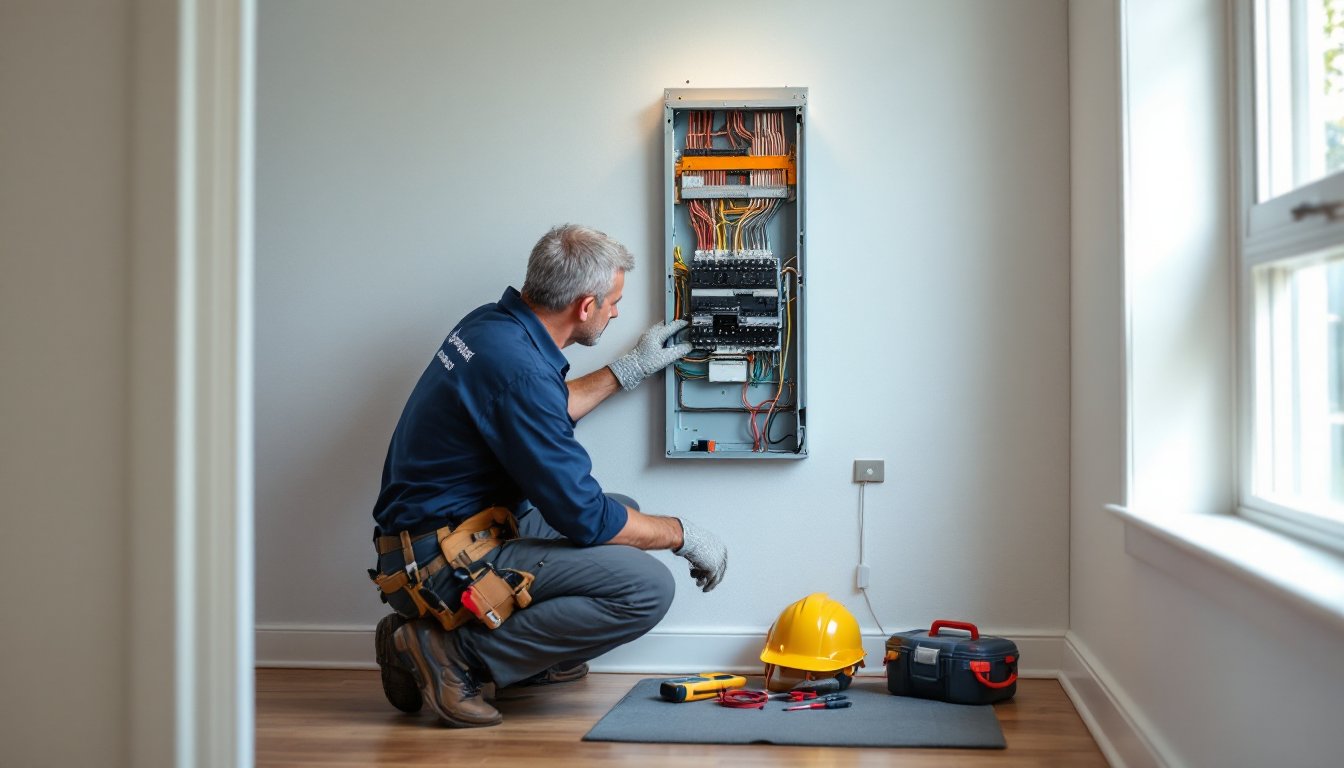
Panel inspections and cleaning: Electricians remove the panel cover, check for corrosion, tighten bus connections, and verify proper torque on breaker lugs. Dust and debris can cause arcing, so they’ll vacuum the enclosure. Expect this to take 30–45 minutes.
GFCI and AFCI testing: These life-safety devices trip under specific fault conditions. Testing confirms they work. Electricians press the test button, verify the reset function, and measure trip time with specialized equipment. Failed devices get replaced, they’re not repairable.
Outlet and switch replacement: Even if switches and outlets still work, cracked faceplates, loose mounting, or burn marks indicate it’s time for replacement. Modern tamper-resistant outlets are required by code in all dwelling areas. Upgrading old ungrounded outlets to GFCI-protected ones improves safety without rewiring.
Smoke and CO detector hardwiring: Battery-only detectors aren’t code-compliant in most jurisdictions for new installations. Hardwired units with battery backup tie into your electrical system and interconnect so all alarms sound together. Electricians run 14/3 cable between units and tie them to a dedicated circuit.
Surge protection: Whole-house surge protectors install at the panel and protect everything downstream from utility spikes and lightning-induced surges. Point-of-use protection (outlet-level surge strips) handles smaller events. Both have limited lifespans and need periodic inspection.
Code compliance upgrades: Older homes often need updates to meet current code, AFCI breakers, grounded outlets in kitchens and baths, or dedicated circuits for microwaves and dishwashers. These aren’t optional if you’re selling or pulling permits for remodeling work.
How to Find and Vet Electrical Maintenance Professionals in Your Area
Start with referrals from neighbors, especially if you live in an older neighborhood where others have tackled similar upgrades. Nextdoor and local Facebook groups often yield recommendations, though take them with a grain of salt, verify credentials yourself.
Online directories like HomeAdvisor and Angi pre-screen contractors for licensing and insurance, though standards vary by platform. These services are convenient but charge contractors referral fees, which may get passed to you. Use them to build a list, then vet candidates independently.
Check your local building department’s list of licensed contractors. Some publish inspection records showing permit history and code violations. A contractor with repeated failed inspections isn’t someone you want working in your walls.
Request three quotes for any significant work. During the estimate, pay attention to how thoroughly they assess the job. Do they open the panel? Measure circuits? Ask about your home’s age and previous work? A contractor who quotes over the phone without seeing the job is guessing, and you’ll pay for it when surprises arise.
For routine maintenance, ask if they offer flat-rate pricing or charge by the hour. Hourly rates typically run $75–$150 depending on your market, with a minimum service call fee. Flat-rate pricing can be higher but avoids surprises. Get it in writing either way.
Don’t ignore red flags. If an electrician pressures you to skip permits, offers a “cash discount” that feels like tax evasion, or can’t provide proof of insurance, walk away. The cheapest bid often comes from someone cutting corners.
Questions to Ask Before Hiring an Electrician
Once you’ve narrowed your list, ask these questions before signing a contract:
- How long have you been licensed in this state? Apprentices and newly licensed journeymen are fine for supervised work, but you want someone with experience troubleshooting residential systems.
- Do you carry liability and workers’ comp insurance? Ask for certificates and verify they’re current.
- Will you pull permits for this work? If the answer is no and the work requires one, find someone else.
- What’s your warranty or guarantee on labor? Reputable contractors stand behind their work, typically one year on labor, longer on parts.
- Can you provide references for similar jobs? Call them. Ask if the work passed inspection, if the contractor cleaned up, and if there were any callbacks.
- What’s your payment schedule? Avoid large upfront deposits. For maintenance and small jobs, payment on completion is standard. For larger projects, a schedule tied to milestones (permit pulled, rough-in complete, final inspection) protects both parties.
- Are you familiar with my home’s wiring type? If you have knob-and-tube, aluminum, or cloth-sheathed wiring, experience matters. These systems have quirks that can trip up electricians used to modern Romex.
If you’re dealing with emergency electrical issues, ask about response times and after-hours availability. Some contractors charge premium rates for nights and weekends, know that upfront.
Cost Considerations for Electrical Maintenance Services
Pricing varies by region, job complexity, and contractor experience. In metro areas, expect higher rates due to overhead and demand. Rural markets tend to be lower but may have fewer qualified contractors.
Service call fees typically run $75–$150 and cover the first hour or diagnosis. This fee often applies toward the work if you hire the contractor.
Routine maintenance (panel inspection, outlet testing, smoke detector checks) generally costs $150–$300 for a thorough visit. Some contractors offer annual service contracts for $200–$400 that include periodic inspections and discounted repair rates.
Repairs and upgrades depend on scope. Replacing a GFCI outlet runs $100–$150 installed. Upgrading a 100-amp panel to 200-amp service with new breakers can hit $2,000–$4,000, including permit and inspection fees. Adding a circuit for a new appliance costs $300–$800 depending on wire run length and whether drywall patching is needed.
Hourly rates for licensed electricians range $75–$150. Apprentices working under supervision may bill lower, but the work still gets reviewed by a licensed journeyman or master.
Get itemized estimates. Vague line items like “electrical work – $1,200” make it impossible to know what you’re paying for. Detailed estimates list materials (wire type, gauge, device specs), labor hours, permit fees, and any subcontracted work.
Don’t automatically choose the lowest bid. If one quote is significantly cheaper, the contractor may be underestimating the job, planning to cut corners, or lacking proper insurance. The middle bid often represents fair market value with quality work.
For design inspiration and contractor directories for broader home projects, platforms like Houzz can connect you with professionals, though always verify electrical licensing independently.