Electrical work isn’t just about swapping out light fixtures or flipping breakers, it’s the nervous system of your home, and understanding it can save you money, prevent fires, and keep your family safe. Many homeowners shy away from anything electrical, assuming it’s all off-limits without a license. The truth is, there’s a range of projects you can tackle yourself, plus routine maintenance that’ll extend the life of your system. That said, electricity doesn’t forgive mistakes. This guide walks through the essentials of home electrical systems, the safety rules you can’t skip, the projects you can DIY, and when it’s time to step back and call in a pro.
Table of Contents
ToggleKey Takeaways
- Always turn off power at the breaker and confirm it’s off with a non-contact voltage tester before performing any electrical installation or maintenance work.
- Homeowners can safely tackle DIY projects like replacing light fixtures, outlets, and switches, but complex work like panel upgrades and new circuits requires a licensed electrician.
- Monthly testing of GFCI and AFCI devices, annual breaker panel inspections, and regular checks for signs of wear—discoloration, heat, or burning smells—are essential maintenance tasks that prevent fires and extend system life.
- Understanding your home’s electrical system basics, including the 120/240-volt service, circuit breakers, and three-conductor wiring (hot, neutral, ground), helps you make informed decisions about what you can DIY versus when to call a professional.
- Aluminum wiring in homes built between 1965 and 1973 requires special handling by a licensed electrician due to expansion risks, and outdated knob-and-tube or ungrounded systems should be professionally assessed for safety upgrades.
- Never work on a live main panel, use insulated tools, wear rubber-soled shoes, and work in dry conditions to minimize electrical hazards that can cause shock, fire, or death.
Understanding the Basics of Home Electrical Systems
Most residential electrical systems in the U.S. run on 120/240-volt single-phase service. Power flows from the utility lines to your main service panel (breaker box), which distributes electricity through individual circuits to outlets, lights, and appliances throughout the house.
Each circuit is protected by a circuit breaker rated for a specific amperage, typically 15 or 20 amps for standard outlets and lights, and 30 to 50 amps for heavy appliances like dryers and ranges. When a circuit draws more current than it’s rated for, the breaker trips to prevent overheating and fire.
Wiring itself consists of three main conductors: the hot wire (usually black or red), which carries current to the device: the neutral wire (white), which returns current to the panel: and the ground wire (bare copper or green), which provides a safe path for fault current. Modern homes built after the 1960s use nonmetallic sheathed cable (NM or Romex), while older homes may have knob-and-tube or aluminum wiring, both of which can present safety concerns.
Understanding your panel layout is critical. Label every breaker clearly so you’re not hunting in the dark during an emergency. If your home still uses a fuse box, consider upgrading to breakers, it’s safer and more code-compliant in most jurisdictions.
Essential Safety Precautions for Electrical Work
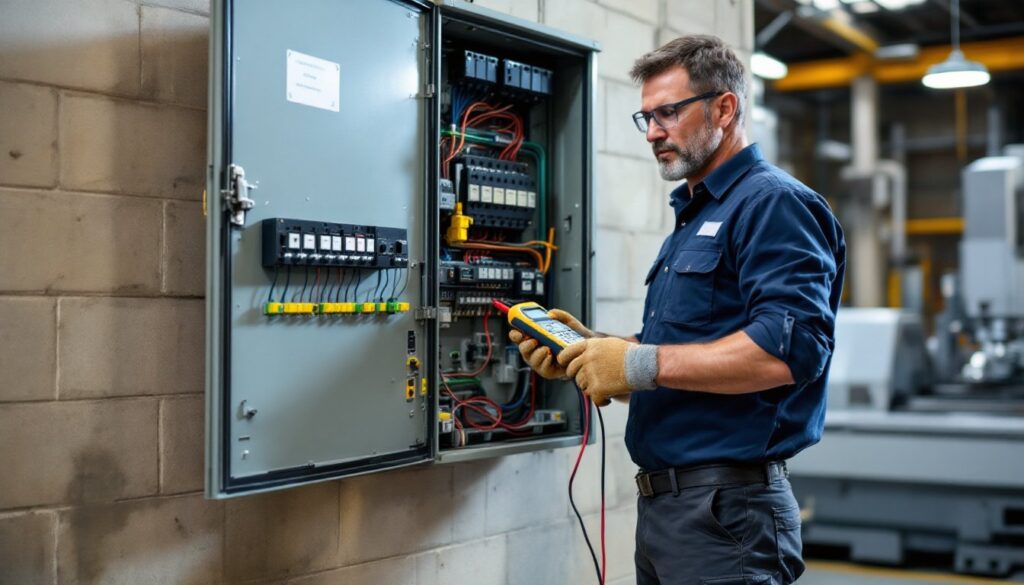
Rule one: Turn off the power at the breaker before touching any wiring. Confirm it’s off with a non-contact voltage tester, they’re cheap, reliable, and can literally save your life. Don’t trust old labeling or assume a switch being “off” means no voltage.
Always wear rubber-soled shoes and work in dry conditions. Water and electricity are a deadly combination. If you’re working in a basement, bathroom, or anywhere damp, double-check that the area is dry and consider wearing insulated gloves rated for electrical work.
Use tools with insulated handles. A standard screwdriver won’t protect you from shock, but electrician-rated tools will. Keep a flashlight handy, you’ll often be working with the lights off.
Ground Fault Circuit Interrupter (GFCI) outlets are required by the National Electrical Code (NEC) in kitchens, bathrooms, garages, and outdoor locations. These outlets cut power in milliseconds if they detect a ground fault, preventing electrocution. Similarly, Arc Fault Circuit Interrupter (AFCI) breakers are now code in most living areas to prevent electrical fires caused by arcing.
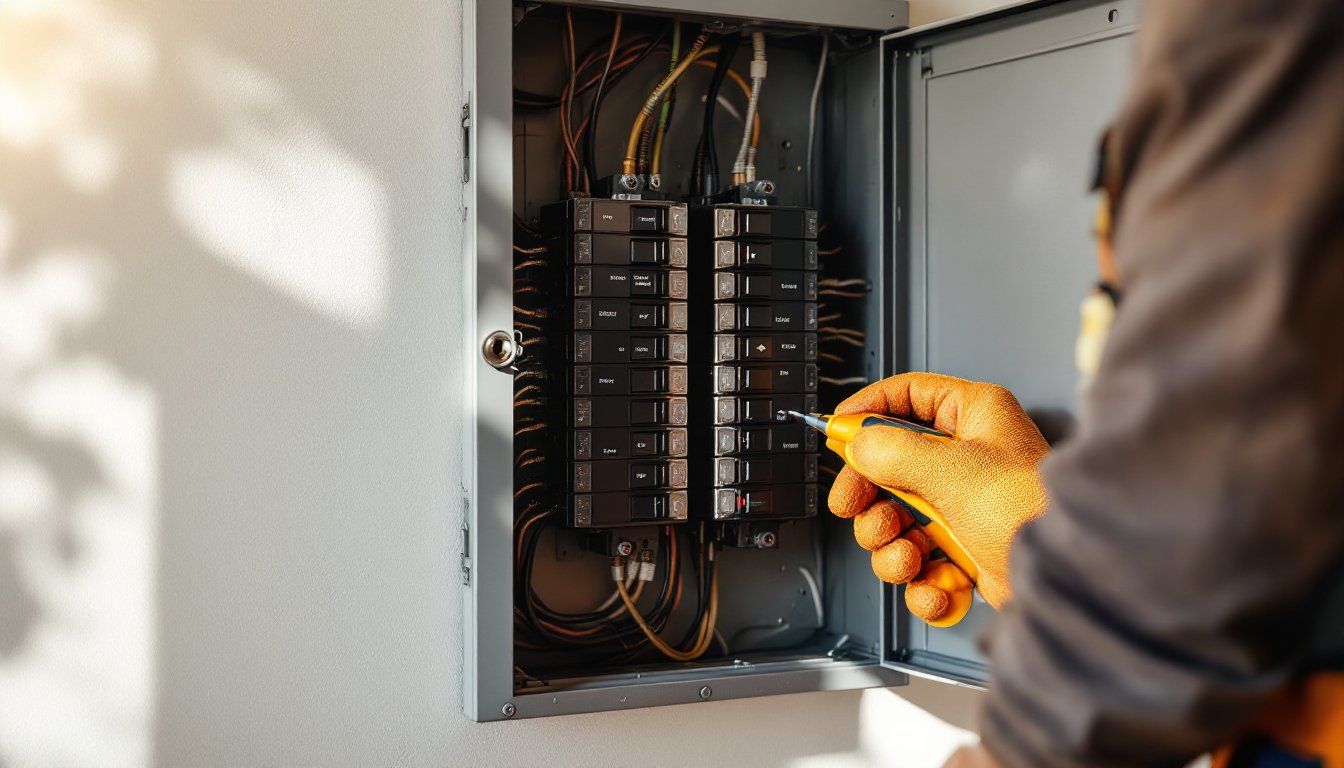
Never work on a live panel. If you need to replace a breaker or work inside the box, call a licensed electrician. The main lugs at the top of the panel remain energized even when the main breaker is off, touching them can kill you.
Finally, know your limits. If you’re uncomfortable, confused, or dealing with anything beyond basic replacements, step back. Electrical codes exist for a reason, and professional wiring services handle complex installations that meet local NEC and IRC standards.
Common Electrical Installation Projects for Homeowners
Installing Light Fixtures and Ceiling Fans
Swapping a light fixture is one of the most approachable electrical projects. Start by shutting off power at the breaker and confirming with a voltage tester. Remove the old fixture, noting which wires connect where, take a photo if needed.
Most fixtures use a mounting bracket secured to the electrical box. Make sure the box is rated for the weight of your new fixture. Standard plastic boxes support up to 50 pounds, but ceiling fans require a fan-rated box or brace, since they create dynamic load from rotation and can weigh upwards of 70 pounds.
Connect the wires: black to black (hot), white to white (neutral), and ground to ground. Use wire nuts sized for the number and gauge of wires you’re joining, typically 12 or 14 AWG for lighting circuits. Tuck the wires neatly into the box, attach the fixture, and restore power.
Ceiling fans add a layer of complexity. You’ll need to support the weight properly and often run a separate switch leg for the fan motor and light kit. If your existing box isn’t fan-rated, you can install a retro-fit ceiling fan brace from the attic or below, which spans between joists. Many detailed DIY fan installations walk through the mounting process step-by-step.
Outlet and Switch Replacement
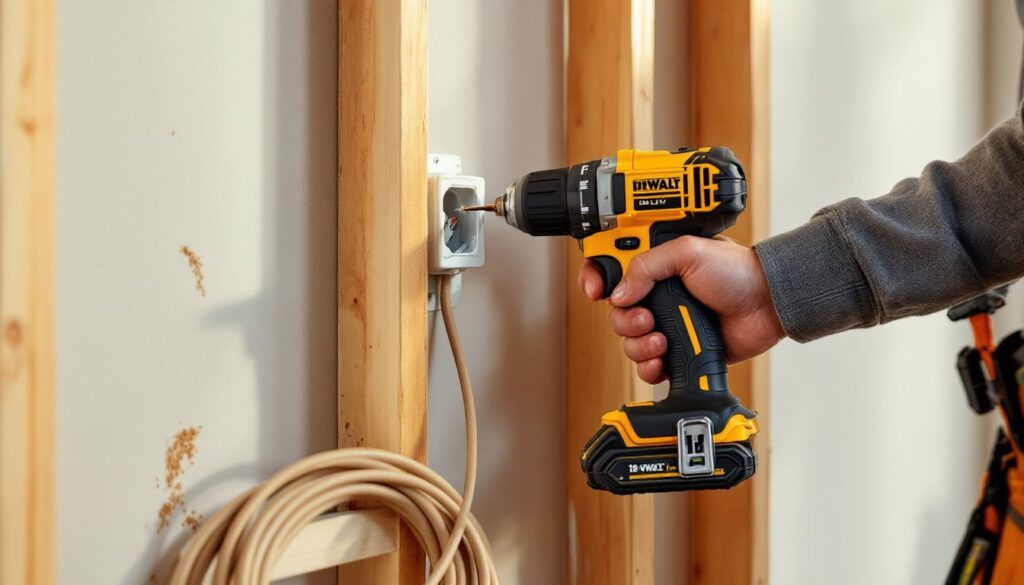
Replacing a worn outlet or upgrading to USB-integrated models is straightforward but demands attention to detail. Again, kill the power and test before touching anything.
Remove the cover plate and unscrew the device from the box. Note the wire configuration, most outlets use screw terminals or push-in connectors (also called backstabs, which some electricians avoid due to reliability issues). For a secure connection, use the screw terminals: hot (black) to brass screws, neutral (white) to silver screws, ground to green screw.
If you’re replacing a two-prong outlet with a three-prong (grounded) version, confirm a ground wire is present. If not, you have three options: run a new ground wire, install a GFCI outlet and label it “No Equipment Ground,” or leave the two-prong in place. Faking a ground by jumping neutral to ground is illegal and dangerous.
Switches are even simpler. Standard single-pole switches have two brass terminals and a ground. The hot wire runs to the switch, which interrupts the circuit when toggled. Three-way switches (used in pairs to control one light from two locations) have an additional traveler terminal and require more care during replacement.
For comprehensive guidance on safe electrical and plumbing upgrades, many homeowners reference both local codes and trusted online resources.
Routine Electrical Maintenance Tasks You Can Do Yourself
Preventive maintenance keeps your system running safely and efficiently. Start by testing GFCI and AFCI devices monthly. Press the “Test” button, the reset button should pop out and power should cut. Press “Reset” to restore. If it doesn’t trip, replace the device.
Inspect outlets and switches for signs of wear: discoloration, heat, or a burning smell indicate arcing or a loose connection. Replace any questionable devices immediately. Loose outlets that pull away from the wall can stress wires and create fire hazards, tighten the mounting screws or add outlet shims to stabilize them in the box.
Check your breaker panel annually. Look for rust, moisture, or signs of overheating (discolored breakers or bus bars). Exercise each breaker by flipping it off and back on to prevent contacts from corroding in place. If a breaker trips frequently, it’s either overloaded or failing, address it before it becomes a safety issue.
Light flickering isn’t always a wiring problem. Often it’s a loose bulb or poor contact in the socket. If tightening doesn’t help, check for loose wire connections in the fixture. Persistent flickering across multiple circuits can indicate a loose neutral at the panel or service entrance, call a pro.
Test your smoke and carbon monoxide detectors monthly and replace batteries annually (or go with 10-year sealed units). Detectors themselves should be replaced every 10 years, as sensors degrade over time.
Keep an eye on extension cord and power strip use. They’re not permanent wiring solutions. If you’re daisy-chaining strips or running cords under rugs, you’re creating fire hazards. Instead, have additional outlets installed where you need them. Detailed project guides on home wiring can help you plan outlet additions safely.
When to Call a Professional Electrician
Some jobs are DIY-friendly. Others aren’t. If you’re adding new circuits, upgrading your service panel, or running wire through walls, you need a licensed electrician, and likely a permit. Most jurisdictions require permits for any work that adds or alters circuits, and inspections ensure code compliance.
Aluminum wiring, common in homes built between 1965 and 1973, requires special handling. It expands and contracts more than copper, leading to loose connections and fire risk. If you have aluminum, hire an electrician familiar with COPALUM crimping or other approved remediation methods.
Any work involving the main service panel, replacing breakers, adding circuits, or upgrading from 100 to 200 amps, should be left to a pro. The main lugs remain live even when breakers are off, and mistakes here can be fatal.
If your lights dim when appliances kick on, or you’re frequently tripping breakers, your system may be undersized for your needs. An electrician can perform a load calculation and recommend upgrades.
Older homes with knob-and-tube wiring, ungrounded outlets, or outdated fuse boxes benefit from professional assessment. Retrofitting modern wiring and panels isn’t cheap, expect $1,500 to $3,000+ depending on scope and region, but it’s an investment in safety and resale value.
Finally, if anything feels hot, smells like burning plastic, or sparks when you plug something in, shut off power immediately and call for help. For urgent issues, emergency electrical services can respond quickly to prevent damage or injury. Resources like Popular Mechanics also cover when DIY crosses into professional territory, helping homeowners make informed decisions.
Electricity isn’t the place to wing it. Know your skills, respect the risks, and don’t hesitate to bring in an expert when the job demands it.