Scrubbing pool walls and fishing out leaves with a net gets old fast. Above ground pools deserve the same automated cleaning tech that in-ground pools have enjoyed for years, and fortunately, that tech has finally caught up. Robotic pool vacuums designed specifically for above ground setups now handle the dirty work while you focus on actually enjoying your pool. This guide walks through what these machines do, how to pick the right one, and how to keep it running season after season.
Table of Contents
ToggleKey Takeaways
- An above ground pool vacuum robot is a self-contained, battery-powered or corded unit that independently cleans floors and walls without relying on your main pump, reducing chemical usage and extending the life of your vinyl liner.
- When choosing an above ground pool vacuum robot, prioritize wall-climbing ability, cable length (at least 50 feet), filter type, and cycle programmability to match your pool size and debris load.
- Proper setup requires submerging the robot for 10-15 minutes before first use, ensuring your outlet is GFCI-protected, checking water chemistry, and laying the power cable flat to prevent tangling.
- Empty the filter basket after every cycle, inspect brushes monthly for wear, and check drive belts and tracks regularly to prevent motor strain and maintain optimal suction performance.
- Common issues like poor movement, weak suction, or cable tangling are usually resolved by clearing debris from tracks, emptying the filter, or fully extending the cable before operation.
- Store your robot indoors during the off-season after rinsing and drying thoroughly, and avoid operating it during heavy chemical treatments to prevent seal and component damage.
What Is an Above Ground Pool Vacuum Robot?
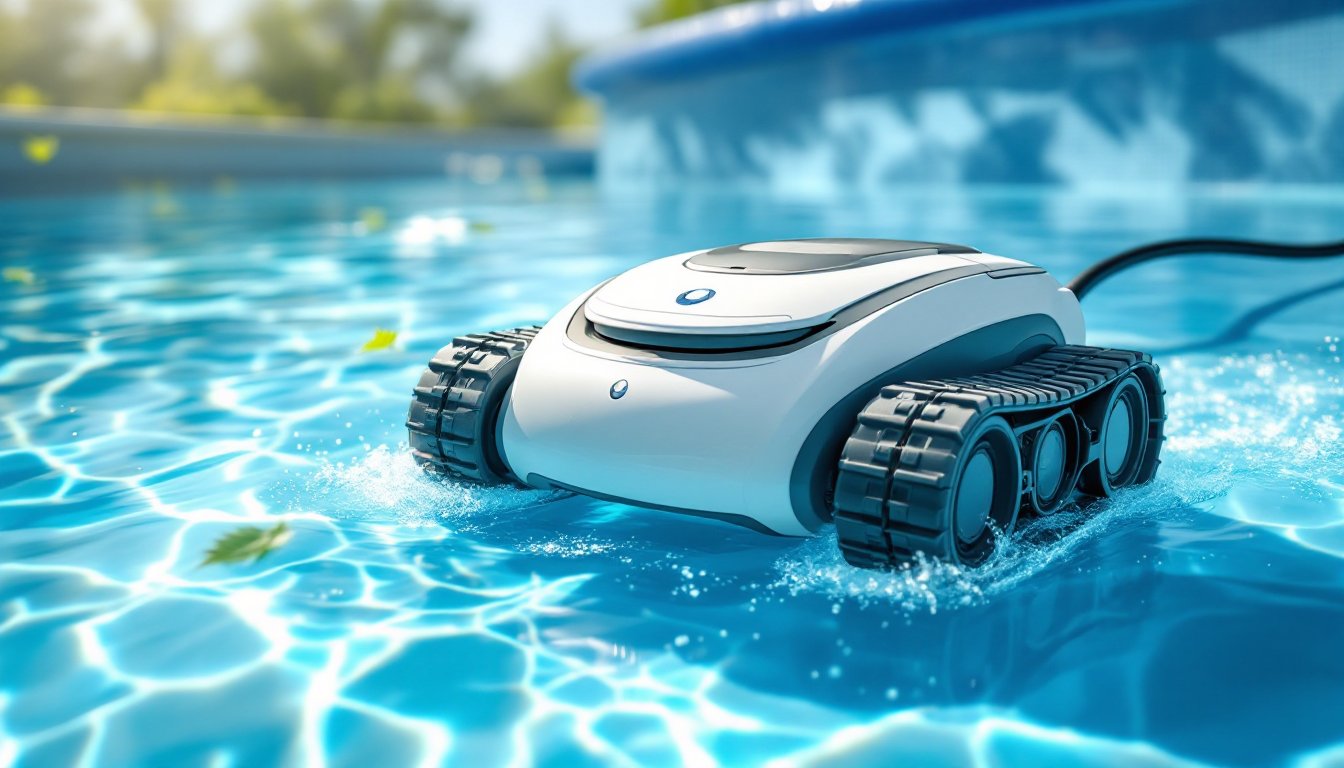
An above ground pool robot vacuum is a self-contained, battery-powered or corded unit that crawls along the pool floor and walls to scrub, vacuum, and filter debris. Unlike suction-side or pressure-side cleaners that rely on your pool’s existing pump and filtration system, robotic vacuums operate independently with their own motor, brushes, and built-in filter.
These robots use tracks or wheels to navigate, and most models now include programmable cycles, multiple cleaning modes, and smart sensors to avoid obstacles or prevent tangling. The key difference between above ground models and in-ground versions is weight, size, and wall-climbing capability, above ground pool walls are typically vinyl or resin and need gentler handling than concrete or gunite.
Most units plug into a standard 120V GFCI-protected outlet and connect to the robot via a floating power cable. Battery-powered models exist but are less common for above ground pools due to runtime limitations. Either way, the robot stays in the water while it works: you just pull it out when the cycle finishes and clean the internal filter basket.
Why You Need a Robotic Vacuum for Your Above Ground Pool
Manual vacuuming works, but it ties up your pool pump, requires constant supervision, and still leaves corners and crevices untouched. A robotic vacuum saves both time and wear on your main filtration system.
First, these robots reduce chemical usage. By continuously scrubbing surfaces, they prevent algae buildup and circulate water more effectively, which means your sanitizer works more efficiently. You’ll spend less on shock treatments and algaecides over the season.
Second, they extend the life of your pool liner. Dirt and debris sitting on vinyl create stains and weaken material over time. Robotic vacuums pick up sediment before it embeds, keeping the liner cleaner and reducing abrasion.
Third, they free up your main pump and filter for what they do best: circulating and sanitizing water. Suction-side vacuums burden the pump and clog skimmer baskets. Robotic units handle debris independently, depositing it into their own filter that you empty on your schedule.
Finally, they’re just more thorough. Models with wall-climbing capability scrub the waterline, the dirtiest part of any pool, and navigate tight corners that manual poles can’t reach. In testing by independent appliance reviewers, robotic models consistently outperformed manual and suction-based systems in debris pickup and coverage area.
How to Choose the Right Pool Vacuum Robot for Your Above Ground Pool
Not all robotic vacuums handle above ground pools equally well. Here’s what separates a smart purchase from an expensive paperweight.
Pool size and shape matter. Most robots list a maximum pool size, typically 24 to 33 feet in diameter for above ground models. Oversized pools require longer cycle times or won’t get full coverage. Oval pools need models with advanced navigation: basic units designed for round pools often miss sections.
Wall-climbing ability varies widely. Entry-level robots clean floors only. Mid-tier models climb partway up walls. Premium units scrub all the way to the waterline. If your pool develops a scum ring or algae at the waterline, wall-climbing is non-negotiable.
Filter type impacts maintenance frequency. Fine mesh filters catch smaller particles, pollen, silt, fine sand, but clog faster and require more frequent cleaning. Coarse filters handle leaves and larger debris but let fine sediment pass. Some models offer interchangeable filter cartridges for different debris types.
Cycle time and programmability affect convenience. A two-hour cycle is standard, but some units offer quick-clean modes (60-90 minutes) or deep-clean modes (3+ hours). Programmable timers let you set the robot to run on a schedule without manual intervention, handy if you’re maintaining a pool as part of a broader pool pump maintenance routine.
Cable length and tangle prevention shouldn’t be overlooked. The power cable should be at least 50 feet for above ground pools. Look for swivel connections that prevent the cable from knotting as the robot changes direction.
Key Features to Look For
When comparing models, prioritize these features:
- Brush type: Rubber or foam brushes work best on vinyl liners. Stiff nylon brushes can scratch softer surfaces.
- Weight: Heavier units (15+ pounds) provide better traction on walls but can stress lightweight pool structures. Most above ground robots weigh between 10-14 pounds.
- Debris capacity: Larger filter baskets mean fewer mid-cycle cleanings, especially during spring or fall when leaf loads are high.
- Energy efficiency: Quality units draw 100-180 watts, less than a standard incandescent bulb. Cheaper models pull 250+ watts and drive up electric bills.
- Warranty: Look for at least a two-year manufacturer’s warranty. Motors and drive belts are the most common failure points.
- Smart features: Some newer models include app control, remote steering, and cycle monitoring. Useful if you like tech, but not essential for effective cleaning.
Setting Up and Using Your Above Ground Pool Vacuum Robot
Setup is straightforward, but skipping steps leads to poor performance or damage.
Before first use, fully submerge the robot and cable underwater for 10-15 minutes. This purges trapped air from the motor housing and prevents buoyancy issues. Hold the robot underwater until bubbles stop rising.
Verify your outlet is GFCI-protected. Most modern outdoor outlets are, but older homes may not be code-compliant. A ground fault circuit interrupter (GFCI) shuts off power if it detects a short, critical safety equipment around water. If your outlet isn’t GFCI, hire an electrician to install one: this typically costs $120-$200 depending on location and local code requirements.
Check water chemistry before running the robot. Extreme pH (below 7.0 or above 8.0) or high chlorine levels (above 5 ppm) can degrade seals and gaskets over time. Balanced water also ensures the robot’s sensors work correctly. Consult your pool maintenance tips for ideal ranges.
Place the robot in the pool at the shallow end and let it sink naturally. Don’t toss it in: impacts can crack the housing. Once it settles, plug in the power supply and start the cycle.
Spread the cable across the deck to prevent kinks. As the robot moves, the cable will shift, but starting with it laid flat reduces tangling. Some users secure the floating cable with pool noodles to keep it off the deck.
Run initial cycles more frequently. New pools or pools just opened for the season benefit from daily robotic cleaning for the first week. After that, 2-3 times per week maintains clarity for most residential setups.
Maintenance Tips to Keep Your Robot Running Smoothly
Robotic vacuums are low-maintenance, but they’re not no-maintenance. Regular care prevents costly repairs and extends lifespan.
Empty the filter basket after every cycle. Debris left sitting in the filter creates back pressure, strains the motor, and reduces suction. Rinse the basket with a garden hose, don’t use a pressure washer, which can tear fine mesh. For deep pool cleaning sessions after storms or heavy use, you may need to empty mid-cycle.
Inspect brushes monthly. Worn or missing bristles reduce scrubbing effectiveness. Brushes are consumable parts: expect to replace them annually with regular use. Most manufacturers sell replacement brush kits for $20-$40.
Check drive belts and tracks for wear. Remove any hair, string, or plant matter wrapped around the wheels or axles. These obstructions cause uneven movement and premature motor wear. If the robot starts moving in circles or stalling, tangled debris is usually the culprit.
Clean the impeller housing every 4-6 weeks. The impeller is the small propeller inside the robot that creates suction. Debris can wedge in and reduce performance. Most units have a removable impeller cover secured by clips or screws, consult your manual for the exact procedure.
Store the robot properly during off-season. Rinse thoroughly with fresh water, let it dry completely, and store indoors in a climate-controlled space. UV exposure and freezing temperatures damage plastic housings and degrade seals. Drain all water from hoses and chambers, trapped water freezes, expands, and cracks components.
Avoid harsh pool chemicals during robot operation. If you’re shocking the pool or adding large doses of algaecide, remove the robot first. High concentrations of chlorine or muriatic acid can corrode seals and electronic components. Wait at least 24 hours after chemical treatment before resuming robotic cleaning.
Common Troubleshooting Issues and Solutions
Even well-maintained robots occasionally act up. Here’s how to diagnose and fix the most common problems without calling customer service.
Robot won’t start or power on. First, verify the GFCI outlet hasn’t tripped, press the reset button. Next, check the power supply indicator light: if it’s off, the transformer may have failed. Test the outlet with another device to rule out electrical issues. If the outlet works but the robot doesn’t, inspect the cable for cuts or kinks, especially near the plug and robot connection points.
Robot moves in circles or won’t climb walls. Uneven movement usually means debris is stuck in the tracks or wheels. Remove the robot, flip it over, and clear any obstructions. If one track is moving slower than the other, the drive belt may be loose or worn, this requires opening the robot housing and adjusting or replacing the belt per the manufacturer’s instructions. Wall-climbing failure often indicates low water level: robots need sufficient depth (typically 12+ inches) to maintain traction on vertical surfaces.
Poor suction or debris left behind. A clogged filter is the usual suspect. Empty and rinse the basket, then check the impeller for blockages. If suction is still weak, inspect the intake ports for damage or stuck debris. Some models include a secondary pre-filter screen that traps large leaves before they reach the main basket, clean this too.
Cable tangling constantly. This is more about technique than malfunction. Before each cycle, fully extend the cable on the deck to remove twists. During operation, occasionally guide the cable away from the robot’s path. If tangling persists, consider upgrading to a model with a swivel connection or adding an aftermarket swivel adapter ($15-$25 online).
Robot stops mid-cycle. Overheating protection may have kicked in, especially on hot days with extended run times. Let the unit cool for 30 minutes, then restart. If it stops repeatedly, the motor may be drawing excessive current due to internal wear, contact the manufacturer if the unit is under warranty. For pools requiring frequent intensive cleaning, rotating between robotic cycles and manual maintenance outlined in your pool maintenance kit reduces strain on any single system.
Smart features or remote control not working. First, check battery levels in the remote and ensure Bluetooth or Wi-Fi is enabled. Many smart robots need a companion app: verify it’s updated to the latest version. Connectivity issues are more common with older routers or in areas with heavy wireless interference. According to reviews on connected home technology platforms, switching to a dedicated 2.4 GHz network often resolves pairing problems with pool robots and other smart outdoor devices.
Unusual noises during operation. Grinding or clicking sounds indicate internal mechanical issues, usually a damaged gear or loose component. Stop using the robot immediately and inspect the motor housing. Continued operation can turn a minor repair into a total motor replacement. If you’re comfortable with small appliance repair, many manufacturers offer exploded-view diagrams and replacement parts. Otherwise, contact an authorized service center.
For persistent issues not covered here, consult the troubleshooting section of your owner’s manual or reach out to the manufacturer’s support team. Most brands offer phone and email support, and many now include video tutorials on their websites. If you maintain multiple pool systems, say, both an above ground pool and equipment for saltwater pool maintenance, keeping records of maintenance and issues helps identify patterns and prevent repeat failures.
When evaluating whether a repair is worth it, consider the robot’s age and original cost. If the unit is out of warranty and the repair estimate exceeds 50% of a new model’s price, replacement is usually smarter. Technology improves quickly: newer models from leading home tech reviewers show measurably better energy efficiency, filtration, and navigation than units even three years old.