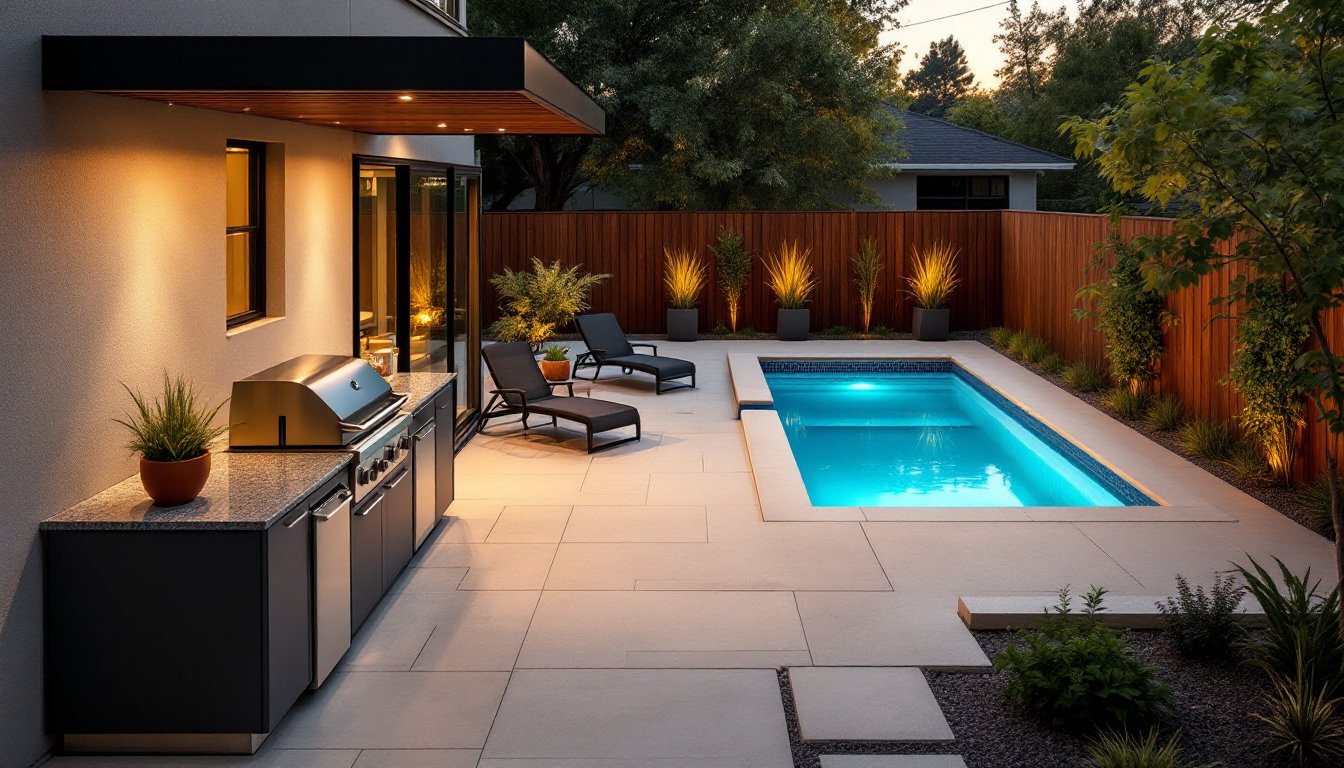
Squeezing both a pool and an outdoor kitchen into a small backyard sounds impossible, until you see it done right. With smart planning and strategic design choices, even a compact lot can become an all-season entertainment hub that rivals larger spaces. The trick isn’t cramming everything in: it’s zoning thoughtfully, choosing scaled-down equipment, and using vertical space. Homeowners who nail this combo gain a backyard that handles everything from weeknight dinners to weekend pool parties without feeling cluttered or compromised.
Table of Contents
ToggleKey Takeaways
- Smart planning and zoning strategies allow a small backyard with pool and outdoor kitchen to function like a larger entertainment space without feeling cluttered.
- Plunge and cocktail pools (10×12 to 12×14 feet) or lap pools (8 feet wide) maximize functionality in compact yards while staying within budget constraints.
- A linear outdoor kitchen layout with built-in grill, side burner, and refrigerator in 8–10 linear feet delivers 80% of cooking tasks without overwhelming limited space.
- Separating wet and dry zones using paving materials, elevation changes, and a 3–4 foot buffer strip prevents water damage and safety hazards while maintaining visual flow.
- Above-ground and semi-inground pools ($1,500–$12,000) cost significantly less than inground options and often avoid complex permitting, making them ideal for budget-conscious homeowners.
- Vertical storage, pergolas, and low-maintenance landscaping add functionality and aesthetic appeal while preserving precious square footage in dual-purpose backyards.
Planning Your Dual-Purpose Backyard Layout
Start with an accurate site plan drawn to scale. Measure the usable space after accounting for setbacks, utility easements, and any areas mandated by local zoning codes. Most jurisdictions require pools to sit at least 5 feet from property lines, and some impose distance minimums from structures or septic systems.
Sketch traffic flow before committing to hardscape. Pool access shouldn’t require cutting through the cooking zone, and the kitchen shouldn’t block sightlines to the pool if kids will be swimming. A single, contiguous patio connecting both areas works better than isolated pads, it visually expands the space and simplifies construction.
Consider sun exposure and prevailing wind. Position the outdoor kitchen where afternoon shade or a pergola can keep cooks comfortable, and angle seating to catch evening light. Pool placement often hinges on drainage: water features and decks need to slope away from the house at ¼ inch per foot to prevent runoff issues.
If the yard slopes, a retaining wall can create two distinct levels, pool below, kitchen above, without sacrificing square footage. This approach also solves code requirements for pool fencing by integrating barriers into the grade change.
Choosing the Right Pool Size and Style for Compact Spaces
Plunge pools and cocktail pools (typically 10×12 to 12×14 feet) deliver the cooling and aesthetic benefits of a full-size pool without overwhelming a small yard. These designs max out around 6 feet deep, making them ideal for lounging and lap swimming with a tether or current system.
Lap pools work in narrow lots, think 8 feet wide by 30 to 40 feet long. They tuck along a fence line and leave room for patio or kitchen zones on the opposite side. Some models include built-in benches or swim jets to simulate open-water workouts.
Above-ground and semi-inground pools are budget-friendly and often sidestep permit headaches associated with fully excavated designs. Modern frame pools with composite siding look sharp and can be partially recessed into a deck for a more integrated feel.
Shape matters. Rectangular pools maximize swim area per square foot and align cleanly with hardscape grids. Freeform or kidney shapes soften the geometry but can waste precious space in corners. For square backyard ideas, a centered rectangular pool with symmetrical decking creates balance and makes furniture placement straightforward.
Whatever style you choose, factor in a pool maintenance kit from day one. Skimmers, brushes, test strips, and a vacuum system aren’t optional, they’re what keep water clear and safe between professional service visits.
Designing a Functional Outdoor Kitchen in Limited Space
Outdoor kitchens don’t need eight burners and a pizza oven to be functional. In tight quarters, a linear galley layout with a built-in grill, side burner, and small refrigerator covers 80% of cooking tasks in about 8 to 10 linear feet. Add a narrow countertop on one side for prep, and you’ve got a workable setup.
Use 36-inch-deep base cabinets instead of standard indoor 24-inch units. The extra depth accommodates propane tanks, a trash pullout, and storage for utensils and condiments. Stainless steel or marine-grade polymer cabinets hold up better than wood in humid, splash-prone environments.
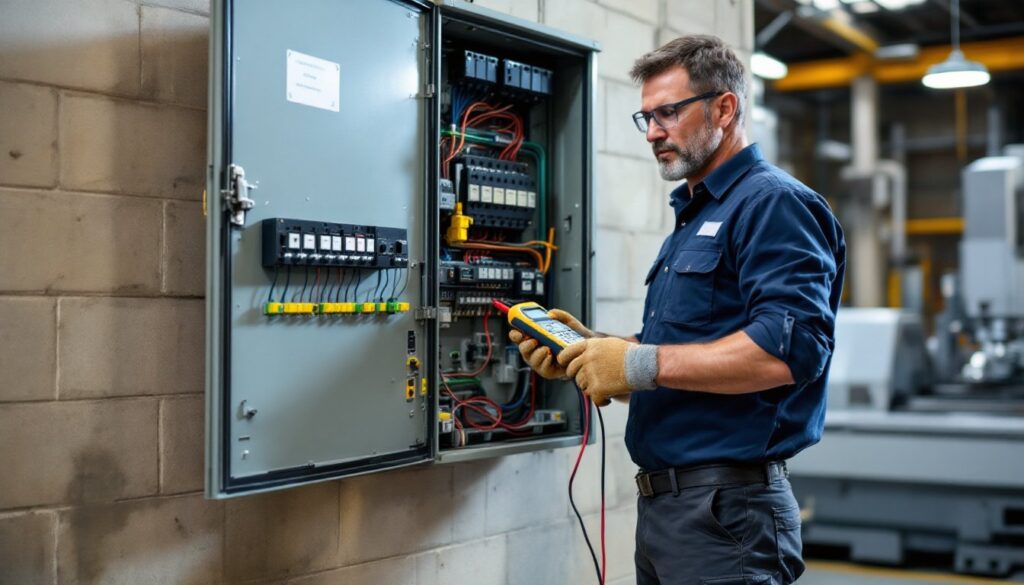
Electrical and gas lines require permits in most areas. Plan for at least one 20-amp GFCI-protected circuit to handle a refrigerator and task lighting. If running natural gas, a licensed plumber must size the line correctly and pressure-test before hookup, undersized gas feeds starve burners and create safety risks.
Vertical storage stretches limited footprints. Pegboards, magnetic knife strips, and overhead pot racks keep tools within reach without cluttering counters. A fold-down shelf or rolling cart adds flex space for serving platters during parties and tucks away when not needed.
Essential Features to Include
- Built-in grill with at least three burners (24 to 30 inches wide)
- Refrigerator or cooler drawer rated for outdoor use (look for weatherproof seals and stainless interiors)
- Sink with hot/cold water if plumbing access allows: otherwise, a large basin and garden hose work for cleanup
- Countertop space of at least 24 inches on one side of the grill for plating
- Covered storage for propane, charcoal, utensils, and cutting boards
- Task lighting on a dimmer (12-volt LED strips under cabinets or pendant fixtures over the prep zone)
Skip the bells and whistles, outdoor bars, warming drawers, and kegerators are nice but non-essential. Prioritize durability and workflow over showroom appeal.
Smart Zoning Strategies for Pool and Kitchen Areas
Effective zoning uses paving materials, elevation changes, or planters to separate wet and dry zones without building walls. A 6-inch step down from kitchen to pool deck visually divides the spaces while keeping them connected.
Hardscape transitions signal function. Run large-format pavers or stamped concrete in the kitchen zone, then switch to textured cool-deck or travertine around the pool. The material shift cues guests where to kick off wet shoes and keeps tracked water confined to the pool apron.
Create a buffer strip of 3 to 4 feet between grill and pool edge. This no-man’s-land holds lounge chairs, potted plants, or a low planter wall and prevents splashing from dousing the fire or grease splatters landing in the water. Designers working on outdoor entertaining space projects often anchor this buffer with a pergola or shade sail to define the zone overhead.
If local codes require pool fencing, integrate the barrier into the layout rather than treating it as an afterthought. A decorative metal or glass panel fence can run along the kitchen side, doubling as a windbreak for the grill and a safety barrier. Self-closing, self-latching gates are non-negotiable where children are present.
Lighting reinforces zones after dark. Low-voltage path lights guide movement between areas, while underwater pool LEDs and grill-mounted task lights keep each zone functional without light spill into neighbors’ yards.
Budget-Friendly Materials and Installation Tips
Concrete pavers cost $3 to $6 per square foot installed and come in modular sizes that simplify DIY layouts. They’re more forgiving than poured concrete if the base settles, since individual pavers can be lifted and releveled. Polymeric sand between joints resists weeds and stays put better than standard masonry sand.
For pool coping and deck surrounds, poured concrete with a broom finish runs $6 to $10 per square foot and provides a slip-resistant surface. Adding an acrylic cool-deck coating (about $2 per square foot) cuts surface temps by 20°F on sunny days, a worthwhile upgrade in hot climates.
Prefab outdoor kitchen islands range from $1,200 to $3,500 and include grill cutouts, side burners, and storage. These modular units sit on a level patio without requiring a custom-built base, cutting labor costs significantly. For the DIYer comfortable with masonry, a cinder block base veneered with stacked stone or stucco delivers a built-in look at half the cost of hiring a mason, figure $800 to $1,500 in materials for an 8-foot island.
Above-ground pools start around $1,500 to $4,000 for quality models, versus $20,000+ for inground concrete. Semi-inground installations split the difference, offering a partially recessed profile for $8,000 to $12,000 depending on site prep.
Permit fees vary wildly. Budget $200 to $800 for pool permits and another $100 to $300 for electrical or gas work. Skipping permits risks fines, failed inspections during resale, and insurance headaches if someone gets hurt. Homeowners interested in backyard entertainment area upgrades should confirm local requirements early, some municipalities lump pool and outdoor kitchen permits together, while others treat them as separate projects.
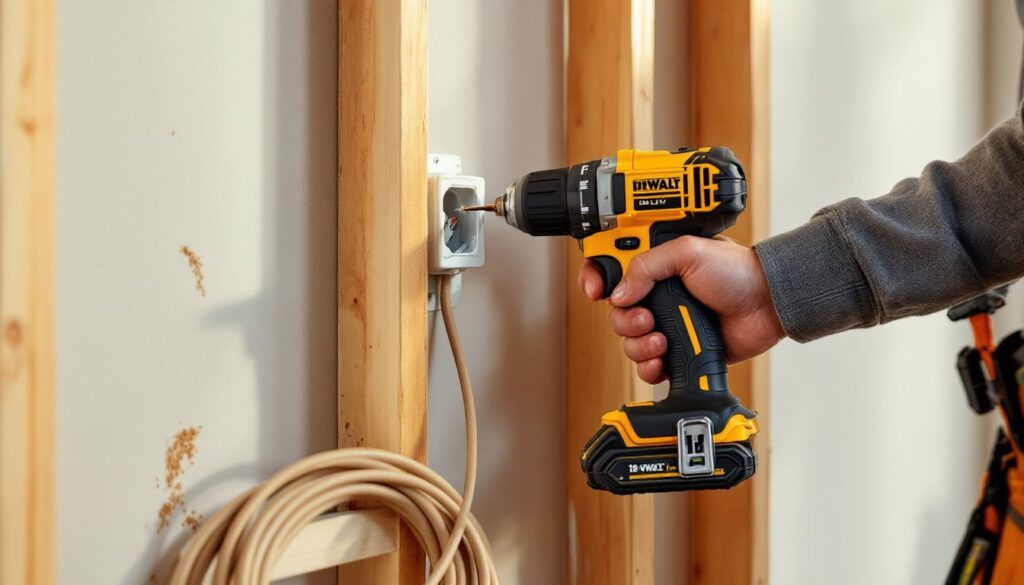
DIY as much non-structural work as possible. Homeowners can handle paver installation, cabinet assembly, and simple 120V electrical (with permit). Leave gas fitting, pool plumbing, and 240V circuits to licensed pros.
Landscaping and Decor to Tie It All Together
Vertical plantings add greenery without stealing floor space. Espalier fruit trees trained against a fence, wall-mounted planters, and trellised vines like jasmine or clematis soften hardscape and provide privacy. Avoid messy trees near the pool, no one wants to fish leaves, berries, or seed pods out of skimmers daily.
Container gardens on rolling casters offer flexibility. Cluster pots near the kitchen for fresh herbs (basil, rosemary, thyme), then roll them aside when you need the space for serving. Larger planters filled with ornamental grasses or compact shrubs can define zone edges or screen utility areas like propane tank storage.
Low-maintenance ground covers beat turf in high-traffic zones. Decomposed granite or pea gravel paths look sharp, drain well, and cost about $0.50 to $1.50 per square foot installed. Edge them with steel or aluminum landscape edging to prevent migration into planting beds.
Built-in seating doubles as retaining walls or planter caps. A 16-inch-high concrete block wall topped with 2×12 cedar or composite decking creates bench seating around the pool perimeter and eliminates the need for standalone furniture. Add outdoor cushions for comfort, and store them in a weatherproof deck box when not in use.
For ideas on balancing pool features with plantings in challenging layouts, resources like Gardenista showcase real projects with detailed plant lists and hardscape specs. Similarly, Southern Living covers regional plant selections that thrive in poolside microclimates.
Lighting shifts the vibe from day to night. String café lights overhead, tuck solar spotlights into planters, and add a couple of flameless candles or lanterns on the dining table. Underwater color-changing LEDs let you dial in the mood, but white or warm white works for everyday use without the disco feel.
Keep décor weatherproof and minimal. A few outdoor throw pillows, a weather-resistant rug under the dining set, and one statement piece, a large ceramic planter, a piece of wall art, or a fire feature, give personality without clutter. In outdoor kitchen and pool ideas featured in design publications, the most successful spaces layer texture (stone, wood, fabric) rather than piling on accessories.
Regular upkeep preserves the investment. Sweep pavers weekly, hose down kitchen surfaces after cooking, and follow a consistent water chemistry routine using pool maintenance tips to prevent algae blooms and equipment damage. A little effort each week beats a full-day cleanout once a month.