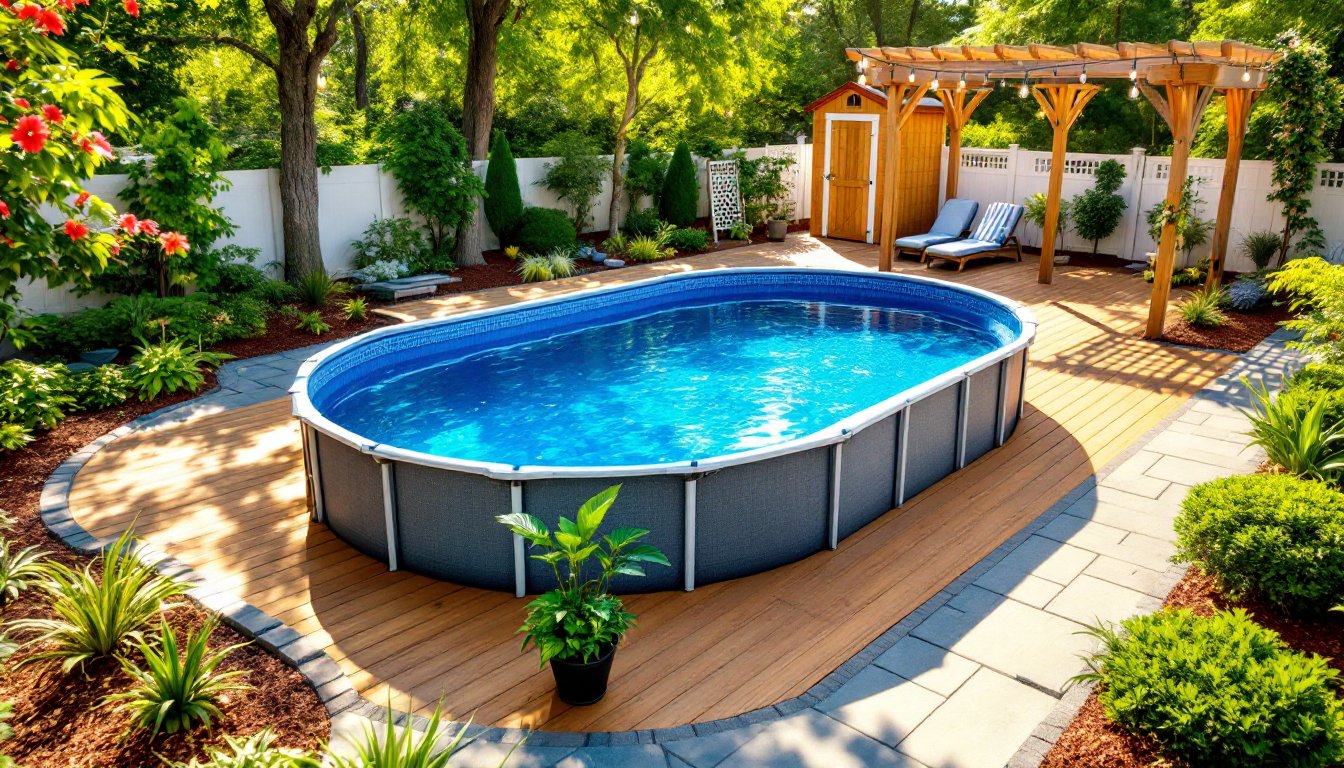
An above ground pool turns any backyard into a summer retreat without the excavation headaches and five-figure price tag of an in-ground installation. But left standing alone on a patch of grass, even the nicest pool can look like an afterthought. The difference between “temporary eyesore” and “backyard centerpiece” comes down to thoughtful design, decking, landscaping, privacy features, and lighting that integrate the pool into the yard instead of plunking it down like a giant kiddie toy. This guide walks through practical ideas to elevate an above ground pool setup, from choosing the right model to DIY finishing touches that make it look like it belongs.
Table of Contents
ToggleKey Takeaways
- Above ground pool ideas transform a simple pool installation into a polished backyard centerpiece through thoughtful decking, landscaping, and lighting integration.
- Choose the right pool model based on yard size and layout—round pools suit compact spaces while oval pools offer more swim space and easier deck design options.
- A well-designed deck (partial or wraparound) elevates the pool’s visual appeal, with composite decking offering low maintenance despite higher upfront costs than pressure-treated wood.
- Strategic landscaping 2–4 feet from the pool perimeter, including ornamental grasses and evergreen shrubs, hides pool walls and manages water runoff without damaging the pool base.
- Privacy screens, pergolas with shade sails, and cantilever umbrellas create resort-like appeal while protecting against neighbor views and excessive sun exposure.
- Budget-friendly DIY enhancements like LED strip lighting, floating coolers, and rope lights extend usable pool hours and add ambiance without requiring professional installation.
Choosing the Right Above Ground Pool for Your Backyard
Pool selection drives everything that follows. Round pools (12′ to 33′ diameter) fit compact yards and cost less, but they limit deck design to wraparound or platform styles. Oval pools (12′ x 24′ up to 18′ x 40′) offer more swim space and easier deck integration on one or both long sides. Resin pools resist rust and handle salt systems better than steel-walled models, though they cost 15–25% more upfront. Steel pools with galvanized or stainless construction work fine in most climates if the yard drains well.
Height matters. 48-inch walls are standard and swimmable for adults: 52-inch or 54-inch walls add water volume and a more substantial look but require taller decking and more robust ladders. Check local codes, some jurisdictions classify pools over 24 inches deep as permanent structures requiring setback compliance and four-sided fencing with self-closing gates per IRC guidelines.
Liner choice impacts longevity and aesthetics. Overlap liners are budget-friendly but visible above the rail. Beaded or unibead liners snap into a track for a cleaner finish. Tile-pattern or dark-bottom liners hide debris better than plain blue. Plan for liner replacement every 5–8 years depending on sun exposure and water chemistry. If the yard has any slope, pros often recommend a sand or foam base pad and leveling blocks, DIY leveling beyond 2 inches gets risky and can void warranties.
Creative Decking and Surround Ideas
A deck transforms an above ground pool from “big bucket” to backyard feature. Partial decks, covering one side or wrapping a corner, cost less and still eliminate the ladder-climb look. Full wraparound decks create a resort vibe and add usable entertaining space around the pool perimeter. Budget $15–$35 per square foot for materials and DIY labor, more if hiring out.
Wood and Composite Deck Options
Pressure-treated pine is the budget workhorse at roughly $2–$4 per linear foot for 5/4 x 6 decking. It weathers to gray without stain and needs annual sealing to prevent splintering. Use joists spaced 12 inches on center instead of the standard 16 inches, pool decks see constant wet foot traffic and flexing leads to squeaky boards. Composite decking (Trex, TimberTech, or similar) runs $6–$10 per linear foot but skips the yearly maintenance and stays cooler underfoot in direct sun. It’s heavier, so beef up joist sizing to 2×8 or 2×10 if spanning more than 8 feet.
Frame the deck independently from the pool wall, the pool will shift slightly with freeze-thaw cycles, and a rigidly attached deck can torque the structure. Leave a 1-inch gap between decking and pool wall for expansion and water drainage. Install the deck at or just below the pool rim so the top rail becomes a natural handrail (check that rail height meets local 36-inch minimum guardrail requirements if the deck is elevated more than 30 inches). Many homeowners integrate backyard entertainment areas with built-in seating, planters, or a shaded corner for towels and drinks.
If a full deck isn’t in the budget, consider a stone or paver apron around the base. A 3- to 4-foot-wide border of concrete pavers or flagstone on a gravel-and-sand base costs $8–$15 per square foot and keeps grass clippings and mud out of the pool. Slope the apron away from the pool at 1/4 inch per foot to prevent water pooling against the wall.
Landscaping Around Your Above Ground Pool
Smart landscaping hides the pool wall, softens hard edges, and manages water runoff. Avoid planting directly against the pool, roots can shift the base, and falling leaves clog skimmers. Instead, create layered planting beds 2 to 4 feet from the pool perimeter.
Ornamental grasses (fountain grass, blue fescue) add height and movement without dropping debris. Evergreen shrubs like boxwood or dwarf Alberta spruce provide year-round screening. For a tropical resort look, cluster elephant ears, cannas, or hibiscus (in-ground or in large containers if outside their hardiness zone). Many garden design guides recommend using repeat plantings in odd-numbered groups for visual rhythm.
Mulch beds with shredded hardwood or pine bark, avoid rubber mulch near pools, as it floats and gets tracked into the water. Edge the beds with natural stone, brick, or steel landscape edging to contain mulch and define the transition between lawn and pool zone. If the yard slopes toward the pool, install a shallow swale or French drain uphill to divert runoff and prevent erosion under the pool base.
Consider adding a small outdoor entertainment space nearby, a gravel patio with Adirondack chairs or a pergola with a beverage cooler turns the pool area into a true backyard destination.
Privacy and Shade Solutions
Above ground pools sit high enough that neighbors get a front-row view unless screening is intentional. Lattice panels (4′ x 8′ sheets, around $25–$50 each) mount to fence posts or free-standing frames and support climbing vines like clematis or morning glory within one season. For instant coverage, bamboo or reed fencing rolls out in 6-foot heights and zip-ties to existing chain-link or wood fences.
Pergolas built over one section of deck provide dappled shade and structure for outdoor curtains or retractable canopies. Use 6×6 posts sunk 36 inches in concrete footings and 2×8 or 2×10 rafters spaced 16 to 24 inches apart. Add a shade sail (triangular or square) stretched between pergola corners and a nearby tree or post, UV-rated sails block 90–95% of sun and cost $30–$150 depending on size.
For movable shade, cantilever umbrellas (9′ to 11′ span) tilt and rotate without a center pole getting in the way. Bolt the base to the deck with lag screws and use sandbags or water weights as backup anchors, summer storms can turn an unsecured umbrella into a projectile. If the deck design allows, position a small pool house or storage shed on the north or west side to cast afternoon shade and store chemicals, toys, and pool maintenance equipment out of sight.
Outdoor privacy screens made from composite slat fencing or metal panels look sharp and need zero upkeep, though they run $75–$200 per linear foot installed. Design ideas that blend function and style can be found in resources covering backyard transformations.
Budget-Friendly DIY Enhancements
Small upgrades make a big visual impact without requiring a contractor. Pool liner decals, dolphins, sea turtles, or geometric patterns, stick to the inside liner and cost $20–$60. They’re purely decorative but fun for kids and easy to reposition.
Build a DIY towel rack or storage bench from leftover deck lumber. A simple 4-foot bench with a hinged lid (2×4 frame, 1×6 slat top) stores pool noodles, floats, and testing supplies while doubling as seating. Use stainless steel or galvanized hinges and apply exterior stain to match the deck finish.
Rope lighting or LED strip lights ($15–$40 per 16-foot reel) run along the underside of deck railings or the pool rim for a low-voltage glow. Use outdoor-rated, waterproof strips (IP65 or higher) and a plug-in transformer, no electrician needed. For above-water accents, hang string lights (Edison bulbs or globe LEDs) on posts or pergola beams using screw-in hooks and weatherproof extension cords with GFCI protection.
If the pool sits on a slight grade, landscape timbers or retaining wall blocks can terrace the yard behind the pool and create planting pockets without major excavation. Stack two or three courses (no taller than 24 inches without engineering), backfill with gravel for drainage, and cap with topsoil for perennials or grasses. This approach is common in low-maintenance poolscapes to reduce mowing and upkeep.
A floating drink cooler or snack tray made from a repurposed plastic bin and pool noodles keeps refreshments within reach. Drill a noodle lengthwise, thread it around the bin rim, and secure with zip ties, it floats and costs under $10 in materials.
Lighting and Nighttime Ambiance
Good lighting extends pool hours and improves safety. Floating LED pool lights are the easiest install, toss them in, and they glow for 8–10 hours on a charge. Color-changing models ($20–$50 each) cycle through settings via remote and create a party vibe or calm mood lighting.
For permanent fixtures, low-voltage landscape lights (12V) stake into surrounding beds and spotlight plantings, pool walls, or deck edges. A basic kit with transformer and six fixtures costs $80–$150. Run the cable in shallow trenches (6 inches deep) and use waterproof wire connectors. Position uplights at the base of the pool wall to wash the liner with color, or aim downlights from pergola beams to illuminate deck seating areas.
Solar post cap lights fit standard 4×4 deck posts and eliminate wiring entirely. Output is lower than wired fixtures (5–15 lumens vs. 50+ lumens), so use them as accent lighting rather than task lighting. If running 120V line for a pool pump or heater, consider adding a GFCI-protected outlet box on a deck post for string lights, a small fountain, or a sound system, have a licensed electrician pull the permit and make the connections per NEC Article 680 for pool wiring.
Keeping up with regular pool maintenance routines ensures lights and water chemistry don’t conflict, balanced pH and chlorine prevent algae buildup that clouds underwater lights. Factor ongoing care into the overall cost of pool upkeep when planning features.
For a finishing touch, hang lanterns or candle holders (real or battery-operated flameless candles) on shepherd’s hooks along walkways. They’re affordable, movable, and add a warm welcome that standard floodlights can’t match. Popular design magazines like Southern Living often showcase similar outdoor lighting setups for regional homes.