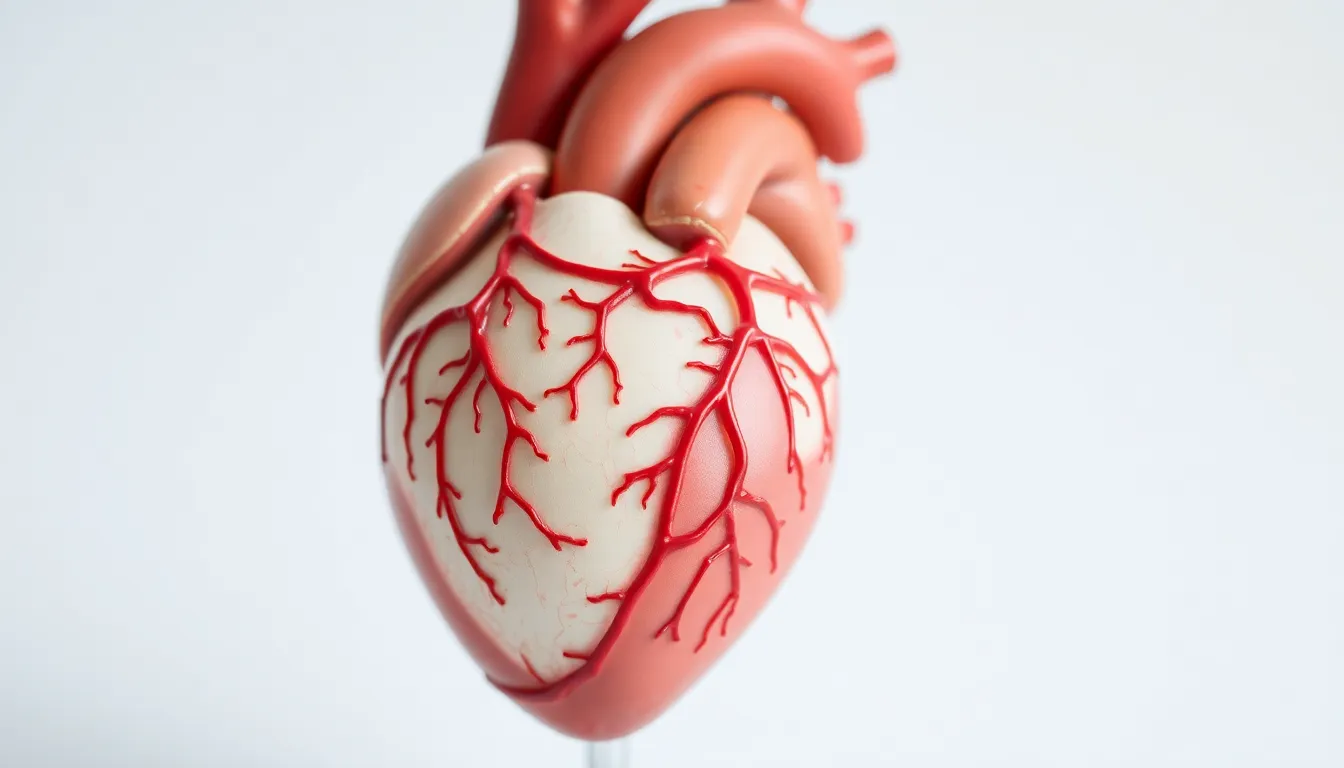
When it comes to the world of medicine, terminology can sometimes feel like a foreign language. Enter “arteri/o,” a term that might sound like a fancy Italian dish but actually refers to arteries—the vital highways of the circulatory system. Understanding this term is key for anyone diving into the medical field or simply trying to impress friends at dinner parties with their newfound knowledge.
Understanding Arteri/o Medical Term
Arteri/o refers to arteries, which play a vital role in the circulatory system. Recognizing this medical terminology assists individuals in both medical education and everyday discussions.
Definition of Arteri/o
Arteri/o specifically denotes arteries, the blood vessels responsible for transporting oxygen-rich blood from the heart to the body’s tissues. This term is integral in medical contexts, often appearing in discussions about cardiovascular health, diseases, and surgical procedures. Understanding arteri/o helps in grasping how critical arteries function and the implications when they malfunction.
Origin and Etymology
The term arteri/o derives from the Latin word “arteria,” meaning “artery.” This root is further influenced by Greek, where “arteria” refers to a channel carrying air. Healers in ancient times relied on the observation that arteries contained blood, linking them to life and vitality. Over centuries, this term evolved, solidifying its place in modern medical language.
Applications of Arteri/o in Medicine

The medical term “arteri/o” plays a crucial role in various applications within the field of medicine. Understanding this term aids in recognizing conditions related to arteries and their treatments.
Common Conditions and Diseases
Atherosclerosis affects arteries by causing plaque buildup, restricting blood flow. This condition often leads to coronary artery disease, which can result in chest pain or heart attacks. Another significant condition is aneurysm, where an artery bulges due to weakness in its wall. Hypertension, or high blood pressure, stresses arterial walls and can lead to serious health issues. Peripheral artery disease reduces blood flow to the limbs, often causing pain during physical activity. Recognizing these conditions helps in diagnosing and treating cardiovascular diseases effectively.
Related Surgical Procedures
Angioplasty involves using a balloon to widen narrowed arteries, improving blood flow. Stenting may follow angioplasty to keep the artery open. Bypass surgery redirects blood flow around blocked arteries, often using a vessel from another part of the body. Endarterectomy removes plaque buildup from artery walls to restore proper circulation. These procedures highlight the importance of arteri/o terminology in surgical contexts, enhancing patient outcomes through effective interventions.
Importance of Arteri/o in Medical Terminology
Understanding “arteri/o” is crucial in medical terminology. This term enriches medical language, ensuring clarity and precision in discussing cardiovascular health.
Relevance in Diagnosis
“Arteri/o” plays a vital role in diagnosing cardiovascular conditions. Medical professionals often use this term when referring to diseases related to arteries. A precise diagnosis of conditions like atherosclerosis or aneurysms relies heavily on recognizing symptoms tied to arterial health. The correct identification of artery-related issues improves patient prognosis significantly. Monitoring blood pressure also involves understanding arterial function and structure. Awareness of artery-related terminology fosters effective communication among healthcare providers.
Role in Treatment Plans
Treatment plans frequently incorporate the term “arteri/o.” Physicians develop strategies based on detecting arterial issues. For instance, procedures such as angioplasty and stenting directly relate to arterial health. Employing accurate terminology in treatment discussions enhances the understanding of interventions. Tailored approaches to conditions like peripheral artery disease link directly to patient outcomes. Knowledge of “arteri/o” contributes to informed decisions, allowing healthcare professionals to optimize care effectively. Integrating this terminology in treatment plans boosts clarity and improves patient education.
Future Perspectives on Arteri/o Usage
The term “arteri/o” continues to evolve as medical technology advances. Innovations significantly enhance understanding and treatment of arterial conditions.
Innovations in Cardiovascular Medicine
New technologies are emerging in cardiovascular medicine focused on arterial health. For instance, minimally invasive procedures are gaining traction, allowing quicker recovery for patients. Innovations in imaging techniques improve the diagnosis of conditions like atherosclerosis and aneurysms, providing detailed views of arterial structures. Additionally, advances in treatment options, such as drug-eluting stents, offer enhanced outcomes for individuals with narrowed arteries. Artificial intelligence plays a pivotal role in streamlining diagnostic processes, allowing for more accurate assessments of arterial health.
Educational Aspects for Healthcare Professionals
Healthcare professionals must stay updated on the latest developments regarding “arteri/o” terminology. Continuing education programs increasingly emphasize the importance of understanding arterial health. Workshops and seminars are becoming common platforms for discussing new surgical techniques and innovative treatment strategies. Medical schools are incorporating “arteri/o” related topics into their curricula, ensuring future healthcare providers grasp the significance of arteries in patient care. Collaborations across disciplines encourage a comprehensive approach to cardiovascular education, reinforcing the importance of informed practitioners in enhancing patient outcomes.
Understanding the term “arteri/o” is vital for anyone involved in the medical field or interested in cardiovascular health. This terminology not only facilitates clear communication among healthcare professionals but also enhances patient education. As medical technology advances, staying informed about the evolving use of “arteri/o” will be essential for effective diagnosis and treatment of arterial conditions. By embracing this knowledge, healthcare providers can significantly improve patient outcomes and contribute to better overall health in the community.