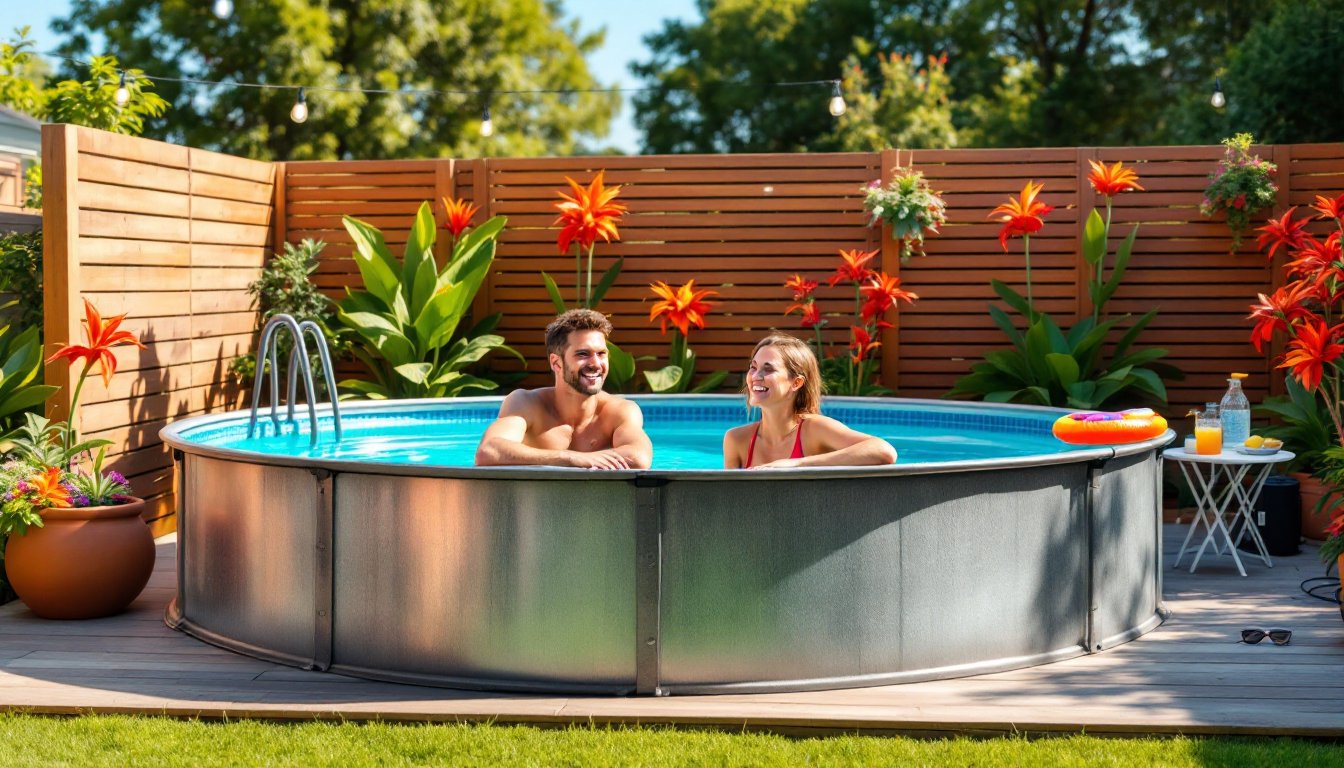
Stock tank pools have surged in popularity as a practical, budget-friendly alternative to traditional in-ground installations. These galvanized metal tubs, originally designed for livestock watering, can be transformed into functional backyard oases for a fraction of the cost of conventional pools. With the right setup, creativity, and maintenance routine, a stock tank pool offers instant cooling relief and a unique design statement. This guide walks through everything needed to plan, install, and enjoy a stock tank pool that fits any yard size or budget.
Table of Contents
ToggleKey Takeaways
- Stock tank pool ideas can be executed for under $1,500 total, making them a budget-friendly alternative to traditional in-ground pools that cost tens of thousands of dollars.
- Stock tank pools can be installed in a single weekend with no excavation, permits, or construction delays, and they’re portable enough for renters to move between properties.
- Proper site preparation on a level, compacted gravel base and a basic pump-filter system running 4-6 hours daily are essential for maintaining clean, swimmable water in a stock tank pool.
- Creative design elements like pressure-treated decking, privacy screens, shade structures, and container gardens transform a bare galvanized tank into an attractive backyard focal point.
- Consistent weekly water testing and maintenance of pH, alkalinity, and chlorine levels takes only 15-20 minutes once a routine is established, making stock tank pool upkeep simpler than traditional pools.
Why Stock Tank Pools Are Perfect for Modern Backyards
Stock tank pools deliver several advantages that make them appealing to DIYers and homeowners working with tight budgets or limited space.
Cost efficiency tops the list. A standard 8-foot galvanized stock tank runs between $400 and $700, compared to tens of thousands for in-ground pools. Add a basic pump and filter setup for another $150 to $300, and the total investment stays well under $1,500 for most installations.
Quick installation is another major draw. Unlike traditional pools that require excavation, permits, and weeks of construction, a stock tank can be set up in a single weekend. There’s no concrete curing, no liner installation, and no waiting for inspectors.
Space adaptability makes stock tanks ideal for urban yards, small patios, or rental properties. A 6-foot round tank fits comfortably in a 10×10 space, leaving room for decking or landscaping. Renters appreciate the portability, tanks can be drained, moved, and reinstalled at a new location.
Durability comes standard with galvanized steel construction. These tanks are built to withstand years of outdoor exposure, resist corrosion, and handle freeze-thaw cycles better than many above-ground pool liners. Expect a lifespan of 10-15 years with basic care.
Choosing the Right Stock Tank for Your Pool Project
Not all stock tanks are created equal. Selecting the right size, material, and style sets the foundation for a successful project.
Size and capacity should match both the available space and intended use. Common options include:
- 6-foot round tanks (roughly 390 gallons): Best for solo relaxation or cooling off: fits tight spaces
- 8-foot round tanks (roughly 720 gallons): Comfortable for 2-4 adults: the most popular choice
- 10-foot round or oval tanks (1,100+ gallons): Suitable for families or lap-style soaking: requires more space and water treatment
Material matters. Galvanized steel is the standard, it’s rust-resistant, affordable, and widely available at farm supply stores like Tractor Supply Co. or online. Some manufacturers offer powder-coated finishes in black, white, or custom colors for an additional $100-$200. These coatings reduce heat absorption and add a modern aesthetic.
Wall height typically ranges from 24 to 30 inches. Taller tanks offer deeper water but may require a step stool or ladder for entry. Consider accessibility, especially for children or older adults.
Sourcing: Local farm supply stores often stock tanks year-round. Expect higher demand and limited inventory during summer months. Ordering online provides more size and finish options but adds shipping costs, budget $100-$300 for freight delivery on larger tanks.
Essential Setup and Installation Tips
Proper installation prevents headaches down the line. Skipping site prep or filtration will lead to costly fixes later.
Site preparation is critical. Choose a level area that can support the weight of a filled tank, an 8-foot tank with water weighs over 6,000 pounds. Avoid slopes, soft soil, or areas directly under trees (falling debris clogs filters). Use a 4-inch gravel base or poured concrete pad for stability. Compact the gravel thoroughly to prevent settling.
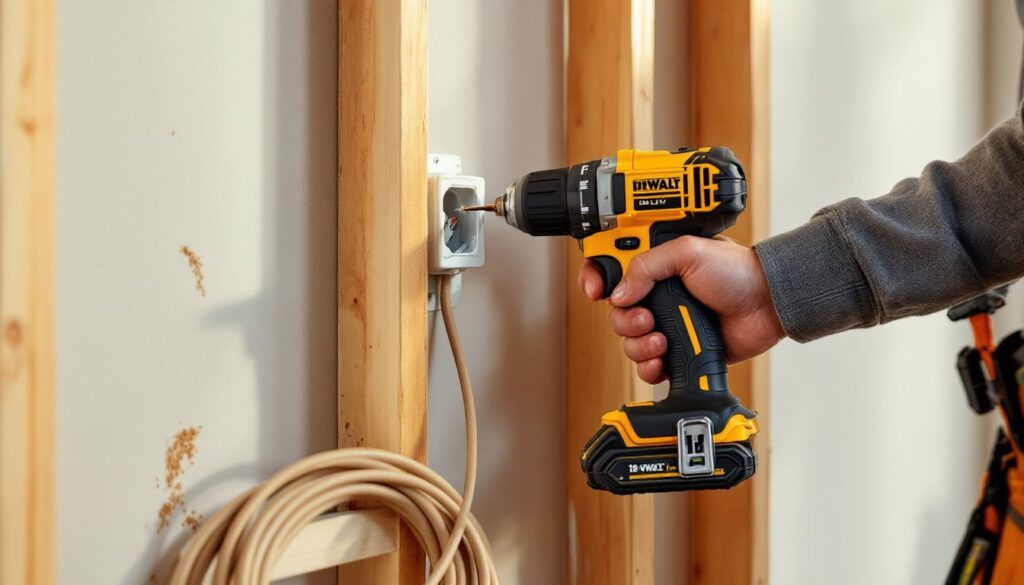
Filtration and circulation keep water clean and swimmable. A standard above-ground pool pump and sand filter combo (rated for 1,500-2,500 gallons) works well for most stock tanks. Intex and Bestway offer budget-friendly systems starting around $150. Drill two holes in the tank wall, one for the inlet, one for the return, and install bulkhead fittings with gaskets and washers to prevent leaks. Use a 1.5-inch hole saw and seal connections with marine-grade silicone.
Run the pump 4-6 hours daily during peak season to maintain circulation. Positioning the return jet opposite the inlet creates better flow and prevents dead zones.
Filling and treating water follows similar principles to maintaining pool water quality. Use a standard garden hose for filling, plan on 1-2 hours for an 8-foot tank. Shock the water with chlorine or bromine tablets after filling, and test pH, alkalinity, and sanitizer levels weekly using a basic test kit.
Safety and code considerations: Most municipalities don’t require permits for above-ground pools under 1,000 gallons, but verify local regulations. Fencing may be required if children are present. Install a locking ladder or removable steps to prevent unsupervised access.
Creative Design Ideas to Elevate Your Stock Tank Pool
A bare stock tank sitting in the grass works fine, but thoughtful design transforms it into a backyard focal point.
Decking and Surround Options
Decking adds comfort, style, and functionality. A simple platform built from pressure-treated 2×6 or composite decking creates a finished look and provides a dry surface for towels and seating.
For a budget-friendly approach, use gravel or decomposed granite around the tank perimeter. Edge with landscape timbers or metal edging to keep materials in place. This drains well and costs under $100 for a 10×10 area.
Elevated decks work well for larger tanks or sloped yards. Frame with 4×4 posts set in concrete, and build a platform flush with the tank rim. This allows easy entry and exit while concealing the pump and plumbing below. Budget $300-$600 for materials, depending on size.
Paver patios offer a more permanent, polished look. Lay a bed of compacted gravel and sand, then install concrete or natural stone pavers. This approach pairs well with backyard entertainment areas that extend beyond the pool.
For a modern touch, surround the tank with horizontal cedar or composite slat fencing to hide the galvanized exterior. Attach slats to a simple frame using exterior-grade screws, leaving gaps for airflow.
Landscaping and Privacy Features
Privacy screens make stock tank pools usable in tight urban lots. Install lattice panels, bamboo fencing, or living walls using fast-growing vines like clematis or jasmine. For instant coverage, position tall ornamental grasses, maiden grass or giant miscanthus, in large planters around the pool perimeter.
Container gardens soften the industrial look of galvanized steel. Use large ceramic or resin pots filled with tropical plants like elephant ears, cannas, or bird of paradise. These thrive in full sun and create a resort-style vibe.
Shade structures extend usability during peak heat. A simple 10×10 pop-up canopy costs under $150 and provides temporary relief. For a permanent solution, build a pergola using 4×4 posts and 2×6 rafters, then train shade cloth or climbing vines across the top. This project requires basic carpentry skills and runs $400-$800 in materials.
Lighting transforms the space for evening use. String Edison bulbs overhead, or install low-voltage LED spotlights around the deck. Solar-powered path lights mark walkways and cost under $50 for a set of six. According to outdoor cooling strategies from Sunset Magazine, strategic lighting placement also helps deter insects during evening swims.
Seating and accessories complete the setup. Add waterproof outdoor cushions, a small side table, and a deck box for storing pool supplies and towels. For a playful touch, incorporate fun backyard additions like floating drink holders or inflatable loungers.
Maintenance and Water Care Basics
Stock tank pools require less maintenance than traditional pools, but consistent care is essential for clean, safe water.
Daily tasks include skimming debris with a basic pool net and checking the pump basket for clogs. Run the filtration system 4-6 hours per day during active use, or use a timer to automate the schedule.
Weekly water testing keeps chemistry balanced. Test pH (target 7.2-7.6), alkalinity (80-120 ppm), and chlorine levels (1-3 ppm) using test strips or a liquid test kit. Adjust with pH increaser/decreaser or alkalinity buffer as needed. Shock the water weekly during heavy use with 1 pound of calcium hypochlorite per 500 gallons.
Algae prevention is easier in stock tanks than larger pools due to smaller water volume, but it still requires attention. Maintain proper sanitizer levels, brush the tank walls weekly with a nylon brush, and ensure adequate circulation. If green water appears, follow standard algae treatment protocols including shocking, brushing, and running the filter continuously until clear.
Filter maintenance varies by type. Sand filters need backwashing every 2-3 weeks, while cartridge filters require rinsing with a garden hose. Replace cartridges annually or when flow decreases noticeably. A proper pool maintenance kit should include test strips, shock treatment, pH adjusters, and a skimmer net.
Winterization depends on climate. In frost-free areas, reduce pump runtime and continue basic chemical treatment. In freeze zones, drain the tank completely, remove and store the pump indoors, and cover the tank with a tarp secured with bungee cords. Some owners leave a few inches of water and add a floating ice compensator to prevent wall damage.
Common issues and fixes:
- Cloudy water: Usually indicates poor filtration or low sanitizer. Run the pump longer and shock the water.
- Rust spots: Sand lightly with fine-grit sandpaper and apply galvanized spray paint or pool-safe epoxy.
- Leaks around fittings: Drain below the leak, remove the fitting, reapply silicone sealant, and retighten.
For ongoing care, follow general pool maintenance guidelines adapted to smaller water volumes. Most stock tank owners find they spend 15-20 minutes per week on upkeep once a routine is established.
Stock tank pools won’t replace Olympic-size lap pools, but they deliver maximum cooling and enjoyment for minimal investment. With smart site selection, creative design touches, and consistent water care, these compact pools punch well above their weight class in both function and style.