When it rains, it pours—sometimes right into your living room. Homeowners know the struggle of battling water pooling in unwanted places. Fortunately, effective drainage solutions exist to save the day and keep homes dry. With the right strategies in place, you can say goodbye to soggy socks and hello to a dry, happy home.
Overview of Drainage Solutions
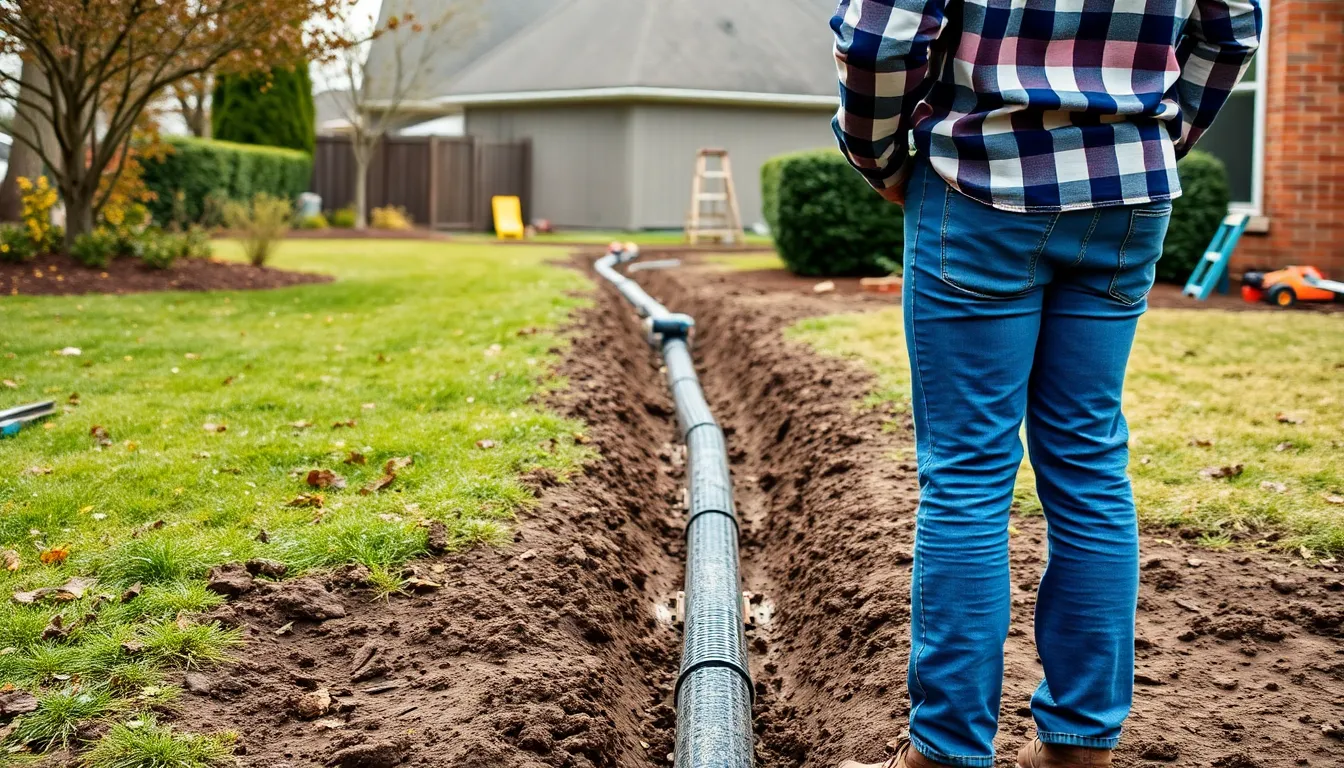
Drainage solutions play a critical role in managing water accumulation around homes. Various methods exist, each tailored to specific water issues. French drains, for instance, redirect groundwater away from foundations through perforated pipes placed in gravel-filled trenches. These drains prevent water from pooling near homes, reducing the risk of foundational damage.
Another effective option involves surface drainage systems, which include gutters and downspouts. These systems channel rainwater away from roofs and driveways, preventing overflow. Properly installed, they direct water into designated drainage areas.
Sump pumps also provide reliable solutions, especially in basements. They collect and pump out excess water that seeps into foundation areas. Regular maintenance of sump pumps ensures optimal operation and minimizes flooding risks.
Additionally, dry wells serve as efficient underground reservoirs. They temporarily hold runoff water and allow it to percolate into the ground, alleviating water saturation. Utilizing porous materials in construction enhances drainage, further reducing water pooling issues.
Choosing the right drainage solution depends on property specifics and water problems. Conducting a site assessment assists in identifying the best method for individual needs. Homeowners often consult professionals to determine suitable options, ensuring long-term effectiveness.
Investing in drainage solutions yields significant benefits. They help protect property value by preventing moisture-related damage. Moreover, a dry environment contributes to enhanced comfort and health, especially during heavy rainfall. Prioritizing drainage solutions leads to sustainable management of water issues, fostering a safe living space.
Types of Drainage Solutions
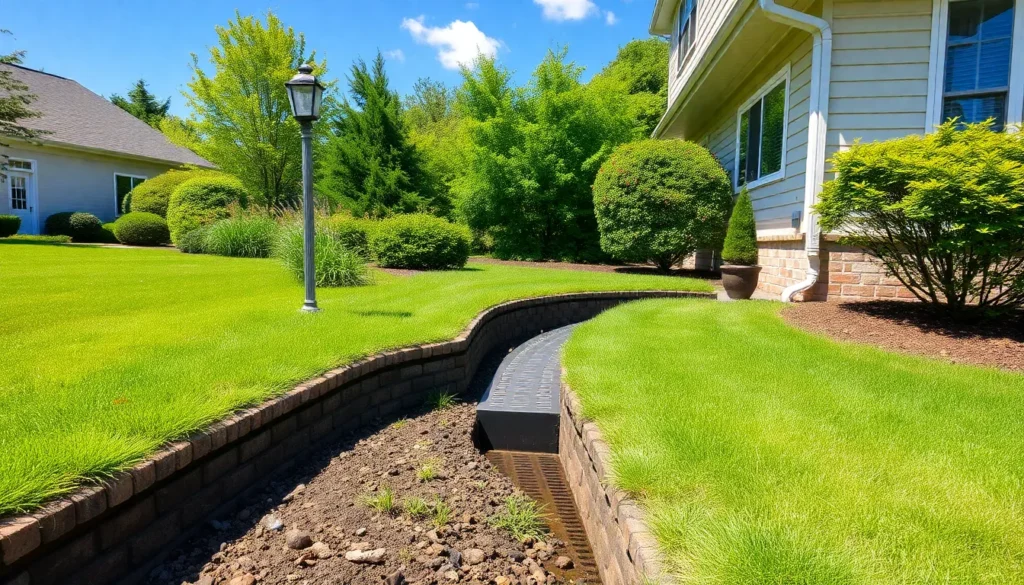
Choosing the right drainage solution is crucial for effective water management around homes. Various systems address specific drainage needs tailored to property conditions.
Surface Drainage Systems
Surface drainage systems effectively manage run-off from roofs, driveways and landscaping. These solutions include gutters, downspouts and trenches that channel water away from structures. Gutters capture rainwater from roofs, directing it toward downspouts. Downspouts then guide the water to designated drainage areas. Trench drainage systems collect excess water along driveways or patios, preventing pooling. Properly installed surface drainage systems significantly reduce the risk of water damage to foundations and landscaping.
Subsurface Drainage Systems
Subsurface drainage systems work beneath the ground’s surface to manage excess groundwater. French drains, a common type, consist of perforated pipes buried in gravel trenches. These pipes allow water to flow into them while filtering out soil and debris. The collected water is then directed away from the foundation, reducing moisture saturation. Sump pumps also belong to this category, effectively removing accumulated water from basements or crawl spaces. Employing subsurface systems can protect homes from flooding and improve overall foundation stability.
Attenuation Solutions
Attenuation solutions focus on managing stormwater run-off to minimize its impact. These systems include techniques like retention ponds or underground storage tanks. Retention ponds capture and store excess rainwater, slowly releasing it to prevent localized flooding. Underground storage tanks, installed beneath driveways or parking lots, hold stormwater before it’s gradually released. By implementing attenuation solutions, homeowners enhance their property’s resilience to heavy rain while supporting environmentally sustainable practices.
Factors to Consider When Choosing Drainage Solutions
Choosing the right drainage solution requires careful consideration of several factors. Understanding these elements assists homeowners in making informed decisions.
Soil Type and Topography
Soil type plays a significant role in drainage efficiency. Sandy soil allows for better water absorption, while clay retains moisture, impacting drainage effectiveness. Topography affects water flow; sloped areas tend to direct water away from the foundation, while flat regions may require additional drainage measures. Performing a soil test helps determine soil type, enabling tailored drainage solutions. Consider natural landscape features as they influence how water moves across property. Site analysis may reveal unique topographical challenges.
Climate and Weather Patterns
Climate conditions impact drainage needs significantly. Regions with heavy rainfall face a higher risk of water accumulation, necessitating robust drainage measures. Seasonal weather patterns also influence system selection. Areas prone to flooding require effective subsurface systems, while regions with gradual rain can benefit from surface solutions like gutters and downspouts. Knowing average rainfall levels aids in estimating runoff, ensuring adequate drainage capacity. Evaluate historical weather data to identify patterns, guiding homeowners in selecting appropriate solutions.
Budget and Maintenance
Budget constraints influence drainage options available to homeowners. Investing in high-quality systems often results in lower maintenance costs over time. Regular upkeep, including cleaning gutters and inspecting sump pumps, is crucial for longevity and performance. Consider initial installation costs versus long-term savings. A balanced approach between budget and effectiveness may lead to informed decision-making. Homeowners should plan for potential repairs or upgrades, factoring these costs into overall budgeting strategies. Prioritize drainage solutions that meet both financial and operational requirements.
Benefits of Effective Drainage Solutions
Effective drainage solutions play a crucial role in maintaining property integrity. They prevent water pooling around foundations, reducing risks of structural damage. By managing water runoff, these systems minimize erosion caused by heavy rainfall. Protecting landscaping from water damage is another significant benefit, contributing to aesthetic appeal and property value.
Homeowners experience increased comfort in dry basements when utilizing effective drainage measures. Sump pumps, for example, efficiently remove excess groundwater, ensuring livable spaces remain free from moisture. French drains redirect water away from structures, further enhancing indoor air quality by preventing mold growth.
Cost savings can result from effective drainage solutions when compared to potential repairs caused by water damage. Investing in proper systems avoids expensive fixes down the line, offering long-term financial benefits. Enhanced property value provides an additional incentive; homes with effective drainage systems attract more buyers on the market.
Sustainable practices also arise from solid drainage solutions, as they support environmentally friendly methods to manage stormwater runoff. Systems like retention ponds collect and utilize rainwater, promoting groundwater recharge. Urban areas derive additional benefits from proper drainage solutions, leading to reduced flood risks during heavy storms.
Improved safety is a vital advantage. Well-maintained drainage systems reduce hazards from standing water, which can lead to slip-and-fall accidents. Peace of mind accompanies the implementation of effective drainage measures, allowing homeowners to enjoy their properties without worrying about water-related issues.
By prioritizing appropriate drainage solutions, homeowners create a safer, more resilient living environment. The overall health of the property improves, encouraging a sustainable approach to water management during challenging weather conditions.
Effective drainage solutions are essential for safeguarding homes against water damage. By choosing the right systems based on individual property needs, homeowners can significantly reduce the risk of flooding and structural issues. Implementing measures like French drains and sump pumps not only protects foundations but also enhances overall property value.
Prioritizing drainage management fosters a healthier living environment by preventing mold growth and improving indoor air quality. With the right approach, homeowners can enjoy the peace of mind that comes from knowing their property is well-protected against the challenges of heavy rainfall. Investing in drainage solutions is a proactive step towards ensuring a dry and comfortable home for years to come.