
Imagine transforming your backyard into a serene oasis where you can sip your morning coffee or host evening barbecues under the perfect shade. Pergolas are the unsung heroes of outdoor spaces, offering style and functionality that can elevate any garden or patio. Not only do they provide a charming focal point, but they also create a cozy atmosphere that’ll have your neighbors wondering if you’ve hired a landscape designer.
Overview of Pergola Installation
Pergola installation involves several key steps for achieving a successful setup. First, selecting a suitable location is crucial. The site should offer adequate sunlight and shade for optimal usability. Next, determining the design is essential. Various styles exist, including freestanding and attached options, allowing customization to fit specific landscapes.
Site preparation follows design selection. This stage includes clearing vegetation and leveling the ground. Utilizing landscape fabric can help prevent weed growth beneath the structure. Once prepared, obtaining necessary permits is important. Local regulations may require approvals before construction begins.
After completing preparations, constructing the frame comes next. Setting posts securely in concrete ensures stability and durability. Each post should receive proper alignment to maintain an even appearance. Installing crossbeams follows the frame setup. This step provides support for climbing plants or shaded areas.
Additionally, adding finishing touches enhances the overall appeal. Options include adding lights or creating a dedicated space for outdoor furniture. Further, integrating decorative elements like curtains or planters can personalize the pergola.
After completing installation, maintenance keeps the pergola in great condition. Regular inspections for damage and applying weatherproof sealants increase longevity. By planning carefully and following necessary steps, a beautifully installed pergola transforms outdoor spaces effectively.
Benefits of Installing a Pergola
Installing a pergola offers numerous advantages for outdoor spaces. These structures enhance both aesthetics and usability while providing essential features for any backyard.
Aesthetic Appeal
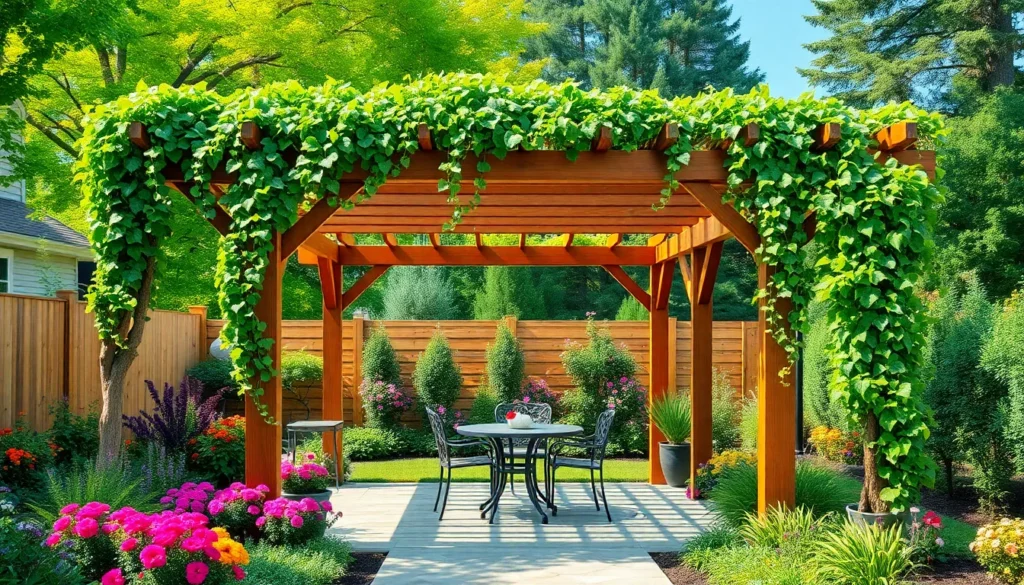
A pergola instantly elevates a landscape’s design. It complements existing architecture and provides a focal point for gardens. Using various materials, like wood or vinyl, allows customization that matches individual style. Flowers and climbing vines enhance the visual appeal, adding vibrancy and texture. An artistic structure encourages relaxation and enjoyment, making it an attractive backdrop for outdoor gatherings.
Increased Outdoor Space
Pergolas maximize outdoor living areas. They create defined zones for dining or leisure activities, extending the functional space of backyards. Incorporating furniture under the pergola helps encourage outdoor entertaining, increasing the time spent outside. With defined spaces, families can enjoy barbecues or serene mornings while appreciating nature. Maximizing usable areas adds value to the property, making it a beneficial investment.
Protection from the Elements
Installing a pergola provides effective protection against sun exposure and light rain. The open-top design offers shaded areas, creating a comfortable environment during hot days. Additionally, the structure can be outfitted with retractable canopies for further weather protection. Shielding outdoor areas from the elements extends usability throughout the seasons. It allows residents to enjoy their gardens and patios regardless of conditions.
Types of Pergolas
Pergolas come in various styles to suit different landscapes and preferences. Understanding the types helps in selecting the right design for specific outdoor spaces.
Freestanding Pergolas
Freestanding pergolas stand independently, providing versatility in placement. These structures can define outdoor areas without needing support from existing buildings. Their design fosters a sense of openness. They often serve as focal points in gardens or patios, enhancing visual appeal. Homeowners frequently deploy freestanding pergolas for creating separate spaces like dining or lounging areas. For added shade, vines or fabrics can adorn the crossbeams. Installation may require additional planning due to their standalone nature, but their aesthetic and functional benefits make them worthwhile.
Attached Pergolas
Attached pergolas connect directly to an existing structure, usually a house or garage. These designs extend outdoor living areas, integrating seamlessly with existing architecture. This proximity allows for easy access to indoor spaces. Typically, attached pergolas provide additional shade and shelter for patios or decks. Homeowners often opt for this type when looking to enhance outdoor entertaining spaces. Incorporation of lighting and fans is common, boosting usability during warm evenings. Proper support is critical for installation to ensure stability and longevity, making this option both practical and stylish.
Steps for Pergola Installation
Installing a pergola requires careful planning and execution. Following these essential steps ensures success in creating an inviting outdoor space.
Planning and Design
Begin by selecting an appropriate location. Assess sunlight exposure and proximity to existing structures. Next, choose a design that complements the landscape, whether it’s freestanding or attached. Consider dimensions to ensure the pergola fits the intended space. Making a sketch helps visualize the concept. Incorporate features like trellises for climbing plants or integrated lighting. Evaluate local building codes and obtain necessary permits. This preparation sets the foundation for a smooth installation.
Gathering Materials
Collect essential materials before starting construction. Purchase weather-resistant wood, such as cedar or redwood, for durability. Acquire concrete mix for setting posts securely. Additional items include brackets, screws, and crossbeams, ensuring they meet weight requirements. Tools needed for the project consist of a level, drill, and saw. Packing all materials ahead of time streamlines the installation process. Lastly, don’t forget personal touches, like paint or finishes, to enhance the final appearance.
Construction Process
Commence the construction by marking the post locations accurately. Dig holes for each post, ensuring they are deep enough to provide stability. Set the posts in concrete for a secure foundation. Once the posts are installed, attach the crossbeams using brackets. Ensure that everything is level to maintain a professional look. Add any additional elements, such as roofing or lattice, after securing the main frame. Finally, installing lighting fixtures and any decorative accents personalizes the pergola, enhancing the overall aesthetic. Regular inspections maintain its integrity over time.
Maintenance Tips for Pergolas
Regular maintenance keeps a pergola in optimal condition. Inspect the structure frequently for signs of wear, such as loose beams or rotting wood. Addressing these issues early prevents further damage.
Cleaning plays a vital role in preservation. Use a soft brush and a mixture of mild soap and water to clean the surfaces. Rinse with a hose, ensuring no soap residues remain. This helps maintain aesthetic appeal and prolongs material life.
Sealing the wood enhances durability. Applying a high-quality sealant every one to three years protects against moisture and UV rays. This adds a protective barrier, reducing the risk of warping or cracking.
Trimming any vines or climbing plants is essential. Overgrown flora can exert pressure on the pergola, leading to structural issues. Keeping plants well-managed enhances both safety and appearance.
Regularly check for pests or signs of infestation. Carpenter bees and termites can damage wooden structures. Early detection and treatment help maintain the integrity of the pergola.
Consider repainting or restaining if the color starts fading. Refreshing the finish every couple of years helps retain its beauty. This also prevents underlying wood damage caused by weather exposure.
Finally, maintaining the surrounding area is crucial. Prevent debris accumulation like leaves and branches that can encourage rot or pests. Regularly tidying the space creates a welcoming atmosphere while protecting the pergola.
Installing a pergola can significantly elevate outdoor living spaces. By enhancing aesthetics and functionality it creates inviting areas for relaxation and entertainment. With careful planning and attention to detail during installation homeowners can ensure their pergola stands the test of time.
Regular maintenance is key to preserving its beauty and structural integrity. By following the outlined tips and making thoughtful design choices residents can enjoy their pergola for years to come. Ultimately a well-constructed pergola not only adds value to a property but also enriches the overall outdoor experience.