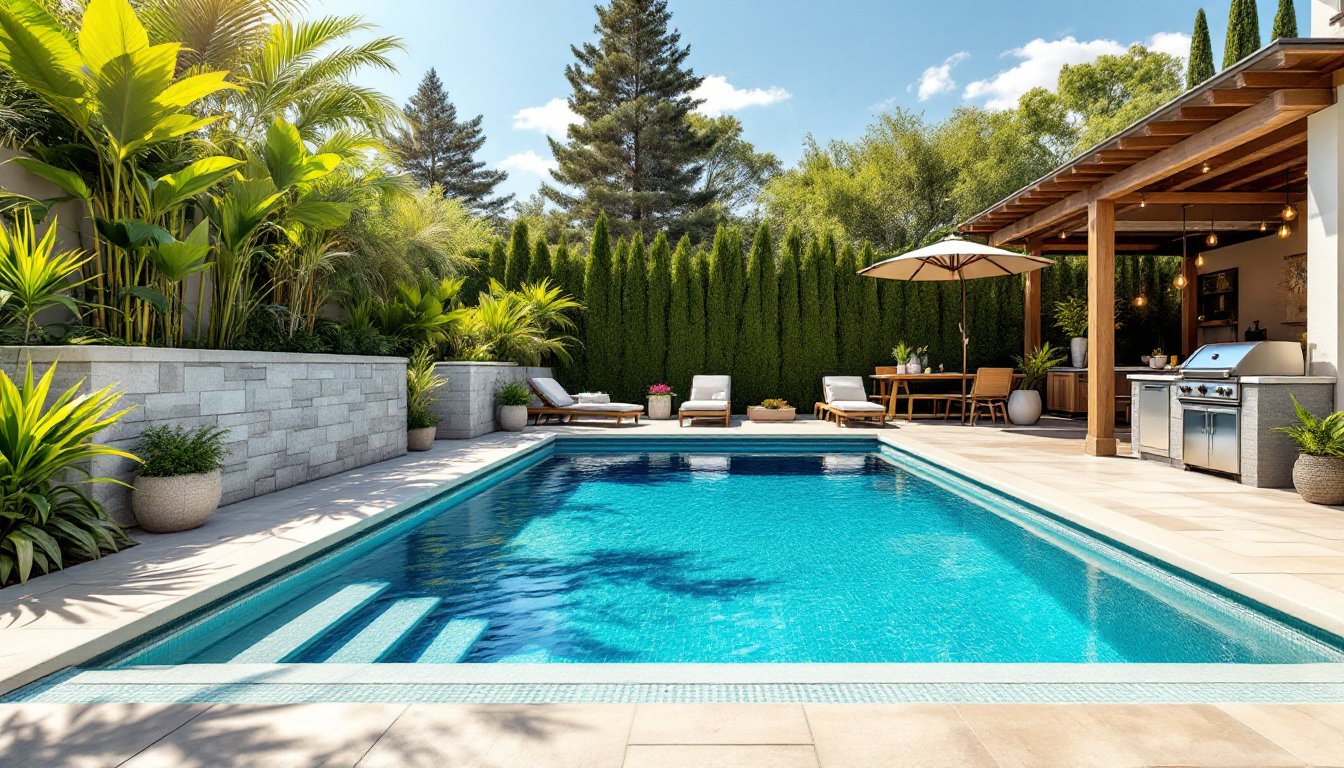
A backyard pool can be more than a place to cool off, it’s the foundation for a private retreat that rivals any resort. Creating a pool oasis means combining thoughtful design, functional hardscape, and the right mix of privacy, lighting, and entertainment zones. Whether working with a compact urban lot or a sprawling suburban yard, homeowners can transform their pool area into a destination worth staying home for. This guide walks through 15 practical ideas, from landscaping choices to shade structures, that turn an ordinary pool into a genuine escape.
Table of Contents
ToggleKey Takeaways
- Backyard pool oasis design requires mapping multiple zones—swimming, lounging, dining, and pathways—combined with strategic hardscape material selection like travertine, composite, or stamped concrete to set the foundation for a resort-quality retreat.
- Privacy and shade solutions such as pergolas, cantilever umbrellas, clumping bamboo, and outdoor curtains enhance comfort while reducing water evaporation and maintenance costs.
- Water features like deck jets and sheer descents paired with LED lighting create theatrical ambiance and transform a functional pool into an inviting focal point visible from inside the home.
- Tropical and minimalist design styles offer different aesthetics—use bold foliage and natural stone for resort vibes, or clean lines with geometric pools and architectural plantings for modern appeal.
- Outdoor living spaces including kitchens, dining areas, fire features, and lounge zones extend your backyard pool oasis into a year-round destination for entertaining and relaxation.
- Regular maintenance of pool, lighting fixtures, water features, and surrounding tile ensures your backyard oasis remains pristine and resort-quality.
Essential Design Elements for a Backyard Pool Oasis
Every successful pool oasis starts with a clear plan that addresses both aesthetics and function. Before breaking ground or ordering materials, homeowners should map out zones: swimming area, lounging space, dining or entertaining areas, and pathways that connect them.
Decking material sets the tone. Travertine pavers stay cool underfoot and resist weathering, making them ideal for hot climates. Composite decking offers splinter-free comfort and comes in wood-grain finishes that suit modern or traditional styles. For a budget-conscious option, poured concrete with a broom finish provides traction and can be stained or stamped to mimic natural stone.
Coping, the cap along the pool’s edge, should overhang slightly to protect the pool shell and provide a clean visual line. Bullnose coping in matching stone or concrete creates a seamless transition from deck to water. If the pool abuts a retaining wall or raised planter, cantilevered coping can eliminate awkward seams.
Consider the sight lines from inside the house. Large windows or sliding doors should frame the pool as a focal point. Avoid placing utility equipment, trash enclosures, or pool pumps in direct view. Pump pads should sit on a level concrete slab at least 3 feet from the pool wall to reduce vibration and noise, and most municipalities require them to be screened or enclosed per local codes.
Accessibility matters. Pool entry options range from traditional steps and ladders to beach entries (zero-depth slopes) and sun shelves (shallow ledges 6–12 inches deep). Beach entries work well for families with young children and create a resort vibe, but they occupy significant pool real estate. Tanning ledges with built-in loungers strike a balance, offering shallow relaxation without sacrificing swim space.
Landscape and Hardscape Features That Elevate Your Pool Area
Hardscape and plantings define the oasis character. Strategic use of pathways, walls, and greenery can turn a basic pool surround into a layered outdoor environment.
Retaining walls made from natural stone or modular concrete blocks create elevation changes that add visual interest and double as informal seating. Walls between 18 and 24 inches high work as benches without requiring railings in most jurisdictions. For taller walls or sloped lots, consult a structural engineer to ensure proper drainage and footing depth.
Permeable pavers for walkways and patios reduce runoff and keep surfaces cooler than solid concrete. They’re especially useful in regions with heavy rain or strict stormwater codes. Lay them over a 4- to 6-inch gravel base compacted in lifts, topped with 1 inch of bedding sand and polymeric jointing sand to lock them in place.
When selecting plants, prioritize low-litter species that won’t clog skimmers or create constant cleanup. Avoid trees with invasive roots near pool walls and underground plumbing. For inspiration on combining aesthetics with function, landscape design around pools offers examples that balance beauty and practicality.
Tropical and Resort-Style Pool Oasis Designs
Tropical themes rely on bold foliage, natural materials, and a sense of lush enclosure. Areca palms, bird of paradise, and elephant ears deliver that resort aesthetic but require consistent water and thrive in USDA zones 9–11. In cooler climates, use containerized tropicals that can be moved indoors before frost.
Bamboo screening provides fast-growing privacy but choose clumping varieties (like Fargesia species) to avoid invasive spreading. Install a root barrier at least 24 inches deep if using running bamboo near property lines or hardscape.
Natural stone coping and weathered wood pergolas reinforce the tropical look. Pair them with outdoor fabric in earth tones, teak or rattan furniture with Sunbrella cushions rated for UV resistance and mildew. For water features, a rock waterfall or sheer descent fountain mimics natural streams and adds soothing sound.
Regular pool maintenance keeps tropical plantings from overwhelming the water. Organic debris increases the need for skimming and chemical adjustments, so plan for extra diligence during leaf-drop seasons.
Modern Minimalist Pool Retreats
Minimalist designs strip away excess, focusing on clean lines, monochromatic palettes, and deliberate negative space. Porcelain tile or large-format pavers (24×24 inches or larger) in grays, whites, or blacks create a sleek, low-maintenance surface with minimal grout lines.
Geometric pools, rectangles, L-shapes, or squares, suit modern aesthetics better than kidney or freeform shapes. Pair them with glass tile waterlines in a single color or subtle gradient. Infinity edges or knife-edge perimeters (where water overflows into a hidden catch basin) eliminate visible coping and emphasize the water itself.
Plantings should be architectural: agave, yucca, ornamental grasses, and boxwood hedges trimmed into sharp cubes or spheres. Use concrete planters or Corten steel containers as sculptural elements.
Lighting is paramount in minimalist spaces. Recessed LED strip lights along steps, benches, or the pool perimeter provide safety without visible fixtures. For ambient glow, bollard lights in brushed stainless or matte black line pathways at 8- to 10-foot intervals.
Creating Shade and Privacy Around Your Pool
Direct sun all day can make poolside lounging uncomfortable and fade furniture fabrics. Shade structures also reduce water evaporation and slow chlorine degradation, cutting maintenance costs.
Pergolas offer partial shade and support climbing vines like wisteria (deciduous, fragrant) or bougainvillea (evergreen in warm zones, vibrant color). Build them with pressure-treated 6×6 posts set in concrete footings below the frost line (varies by region, typically 36 to 48 inches deep). Rafters spaced 16 to 24 inches on center provide dappled light: closer spacing increases shade. For full coverage, add a retractable shade sail or polycarbonate panels.
Cantilever umbrellas (9 to 11 feet in diameter) shade lounge areas without a center pole obstructing furniture. Look for bases filled with sand or water weighing at least 75 pounds to prevent tipping. Crank-lift mechanisms and aluminum frames with powder-coat finishes hold up better than cheaper wood or fiberglass.
Living privacy screens, clumping bamboo, Italian cypress, or arborvitae, create natural barriers. Space them according to mature width (usually 3 to 5 feet apart for hedges) and expect 2 to 3 years to fill in. For instant privacy, install horizontal slat fences in cedar or composite. Slats at 45-degree angles block sight lines while allowing airflow.
Outdoor curtains on pergola sides add softness and flex with the breeze. Use fade-resistant outdoor fabric with grommets and stainless steel rings. Anchor them with tie-backs or let them billow for a resort feel. Many homeowners find that combining shade solutions, part solid roof, part lattice, part fabric, offers the best balance of sun, breeze, and cover.
Water Features and Lighting to Enhance Ambiance
Water features and lighting turn a pool from functional to theatrical. Both require electrical planning early in the build or renovation process.
Deck jets shoot thin arcs of water into the pool from the deck or coping. They’re simple to retrofit, requiring only a dedicated 20-amp circuit and 1-inch PVC supply lines plumbed into the return system. Install them 18 to 24 inches from the pool edge and aim for a crossing pattern.
Sheer descents (also called scuppers or water walls) produce a smooth, glass-like sheet. They mount flush with a raised wall or spa spillover and need a level installation to avoid uneven flow. Most units are 12 to 48 inches wide and require 15 to 30 GPM flow per foot of width.
Bubblers and fountains on sun shelves or beach entries add playful movement. They run off low-voltage pumps and can be controlled via the main pool automation system. Keep in mind that any feature that splashes increases water evaporation and chemical loss, plan for slightly higher chemical usage than a still pool.
LED pool lights are now the standard, replacing incandescent and halogen. A single color-changing LED fixture (typically 12V, 40W equivalent) can replace three old-style lights. Install at least one light per 400–500 square feet of pool surface for even illumination. Niches should be positioned 12 to 18 inches below the waterline and away from main swimming zones.
Landscape lighting layers in drama. Uplights at the base of palms or architectural plants cast shadows on walls or fences. Path lights with 3000K warm white LEDs guide walkways without harsh glare. Use low-voltage systems (12V or 24V) with a transformer sized 20% above total wattage to allow for future expansion. Bury direct-burial cable at least 6 inches deep in conduit where it crosses high-traffic areas. For integrated solutions, many modern systems sync pool and landscape lights via smartphone apps or hubs compatible with home automation.
Regular cleaning ensures lights and features perform at their best, deep pool cleaning removes buildup that dims fixtures and clogs jets.
Outdoor Living Spaces and Entertainment Zones
A true oasis extends beyond the water. Dedicated zones for cooking, dining, lounging, and play make the pool area a year-round destination.
Outdoor kitchens range from simple built-in grills to full setups with sinks, refrigerators, and pizza ovens. At minimum, include a 36-inch grill on a concrete or stone base, a side burner, and weatherproof storage for propane, utensils, and condiments. If running a gas line, hire a licensed plumber, black iron pipe or CSST flexible gas line must meet local codes and may require inspection. Electrical outlets for blenders, coolers, or charging stations should be GFCI-protected and at least 6 feet from the pool edge per NEC guidelines.
Dining areas need 8×10 feet minimum for a table seating six. Choose materials that handle moisture: powder-coated aluminum, teak, or all-weather wicker with quick-dry foam cushions. An overhead structure (pergola, pavilion, or retractable awning) keeps diners comfortable in sun or light rain. For evening meals, install a dimmable chandelier rated for wet locations or string Edison-bulb café lights on a separate dimmer circuit.
Fire features, fire pits or linear gas burners, extend the season and create a gathering spot. Use fire-rated concrete or steel enclosures and maintain a 10-foot clearance from structures per most fire codes. Propane or natural gas models light with a push-button igniter and eliminate smoke and ash. Position them downwind of the pool and dining areas to keep flames and embers away from swimmers and food.
Lounge zones benefit from a mix of seating: chaise lounges for sunbathing, deep-seating sectionals for conversation, and hammocks or daybeds for naps. Layer in outdoor rugs (look for polypropylene that resists mold and fading), throw pillows, and side tables. If space allows, a cabana or pool house with changing rooms, a bar, and climate control transforms the backyard into a true resort. These structures often require building permits and must meet setback requirements, so check local zoning before design.
Sound systems tie it all together. Weatherproof speakers (rated IP65 or higher) can be recessed into soffits, mounted on posts, or disguised as landscape rocks. Run speaker wire in conduit during hardscape installation to avoid exposed cables. Bluetooth or Wi-Fi streaming lets users control music from poolside without returning indoors. Many outdoor living upgrades focus on seamless integration of cooking, relaxation, and entertainment, balance aesthetics with practicality to avoid a cluttered or overly themed look.
For those maintaining a pool and spa together, keeping both pristine enhances the overall experience, pool and spa upkeep ensures every element of the oasis stays inviting. Don’t overlook details like tile condition: clean, bright tile lines make the whole space feel fresh and resort-quality.