Alabama’s been on a wild ride when it comes to cannabis legislation, and folks are buzzing with questions. With the recent legalization of medical marijuana, the big question on everyone’s mind is: when will Alabama finally roll out dispensaries? Picture this: a sunny day, a friendly budtender, and a selection of products that could make even the most stoic Alabama fan smile.
Overview of Medical Marijuana in Alabama
Alabama has made significant strides in medical marijuana legislation. The establishment of dispensaries is a key focus for consumers and patients alike.
History of Legalization Efforts
Efforts to legalize medical marijuana in Alabama date back several years. In 2014, the state approved the use of cannabidiol oil for certain medical conditions. In 2021, the Alabama Legislature passed the Comprehensive Medical Cannabis Bill, officially enabling broader access. Advocates have pushed for more comprehensive legislation, resulting in increased awareness of benefits. Public opinion has generally shifted to support medical marijuana, reflecting changing attitudes toward cannabis use.
Current Status of Medical Marijuana Laws
Currently, Alabama’s medical marijuana laws allow for access to various cannabis products for eligible patients. A licensed medical professional must recommend these products for specific qualifying conditions, including epilepsy and chronic pain. The Alabama Medical Cannabis Commission oversees licensing for dispensaries and businesses. Though the law is in effect, dispensaries are not yet operational. Regulatory frameworks are being finalized to ensure secure and effective distribution.
Timeline for Dispensary Implementation
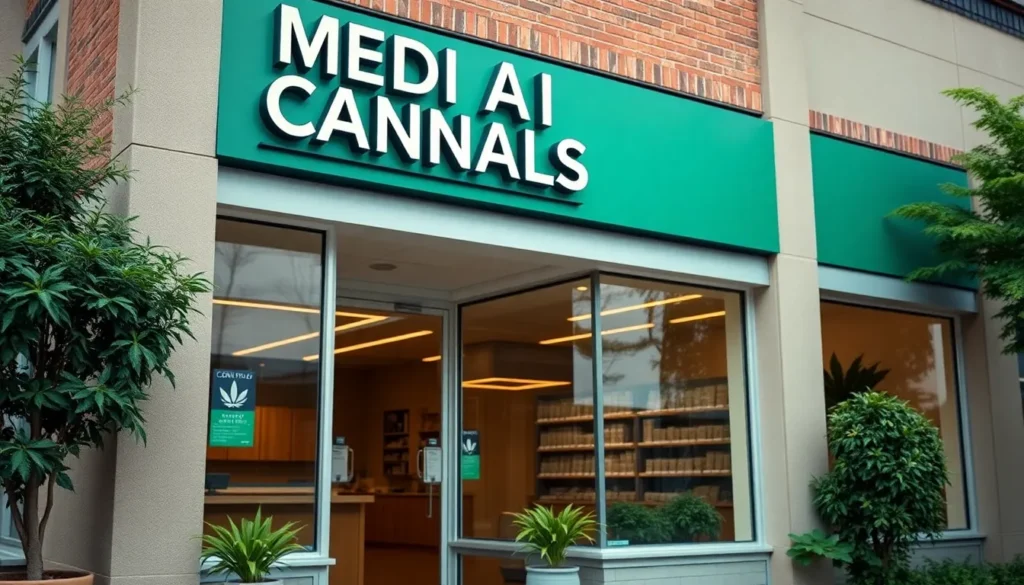
Alabama’s timeline for establishing dispensaries has generated significant interest. The state is in the process of finalizing regulatory frameworks and practical details.
Key Dates to Watch
Regulations set early 2024 as a target for dispensary licenses. The Alabama Medical Cannabis Commission aims to approve initial licenses by January 31, 2024. It’s crucial to monitor developments as public hearings and informational sessions are scheduled throughout 2023. These events allow for input from stakeholders and potential dispensary operators. Following license approvals, the Commission expects dispensaries to open by mid-2024, marking a critical milestone for medical marijuana access in Alabama.
Expected Challenges and Delays
Regulatory uncertainties may result in unexpected delays. Licensing delays stem from the complexities of determining eligibility and compliance. Many anticipate challenges related to local zoning laws and community acceptance of dispensaries. Additionally, the finalization of product testing and quality assurance regulations presents hurdles for operators. These factors create potential barriers to the timely launch of dispensaries, requiring vigilance from stakeholders to navigate the process successfully.
Locations of Future Dispensaries
Alabama’s medical marijuana dispensaries are on the horizon, generating excitement among residents. The establishment of these dispensaries will focus on balancing accessibility across different communities.
Urban vs. Rural Distribution
Urban areas are likely to see a higher concentration of dispensaries, given their larger populations and greater demand. Many major cities, such as Birmingham and Montgomery, are preparing for dispensary openings. Rural communities may experience slower development due to smaller populations and fewer customers. However, it’s crucial for dispensaries to also serve these areas, ensuring that patients have equitable access to medical cannabis products.
Factors Influencing Location Choices
Regulatory requirements play a significant role in determining where dispensaries can operate. Local zoning laws affect location decisions, as some municipalities may restrict dispensary placements. Population density helps guide dispensary licenses toward areas that maximize patient access. Additionally, proximity to medical facilities can influence successful dispensary sites, as patients often seek convenient access to their healthcare providers.
Patient Access and Eligibility
Alabama’s medical marijuana program sets specific criteria for patient access, ensuring that individuals can obtain their medical marijuana cards with the right qualifications.
Requirements for Medical Marijuana Cards
Applicants must meet certain health requirements to qualify for a medical marijuana card. These requirements include receiving recommendations from licensed medical professionals for specific qualifying conditions, such as cancer, epilepsy, and chronic pain. Additionally, patients must be residents of Alabama and provide valid identification. The application process requires both a completed form and a fee. Validating medical history through documentation also plays a crucial role in obtaining approval.
Implications for Patients in Alabama
Patients in Alabama gain access to various medical cannabis products once they obtain their medical marijuana cards. Availability includes options like oils, edibles, and vape cartridges tailored to individual needs. Patient access promotes better management of chronic conditions and improves overall wellbeing. Licensed dispensaries will educate patients on product use, ensuring they find the right choice for treatment. Local regulations shape access, but plans aim for equitable distribution across urban and rural areas. Expansion of the program is driven by ongoing public support for medical cannabis, revealing shifting attitudes toward its use.
Alabama’s journey toward establishing dispensaries marks a significant step in the state’s evolving approach to medical marijuana. With the anticipated opening of dispensaries by mid-2024, patients can look forward to accessible options tailored to their health needs. The ongoing efforts by the Alabama Medical Cannabis Commission and the community’s support will play a crucial role in shaping this new landscape. As the state navigates regulatory challenges and aims for equitable distribution, the excitement surrounding medical cannabis continues to grow. Stakeholders and patients alike should stay informed and engaged as Alabama prepares for this transformative change.