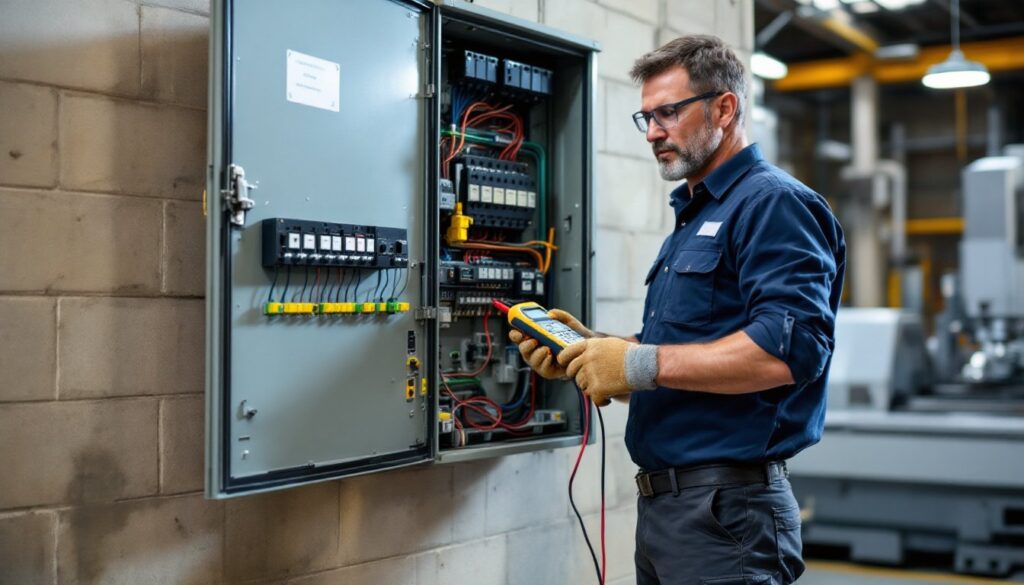
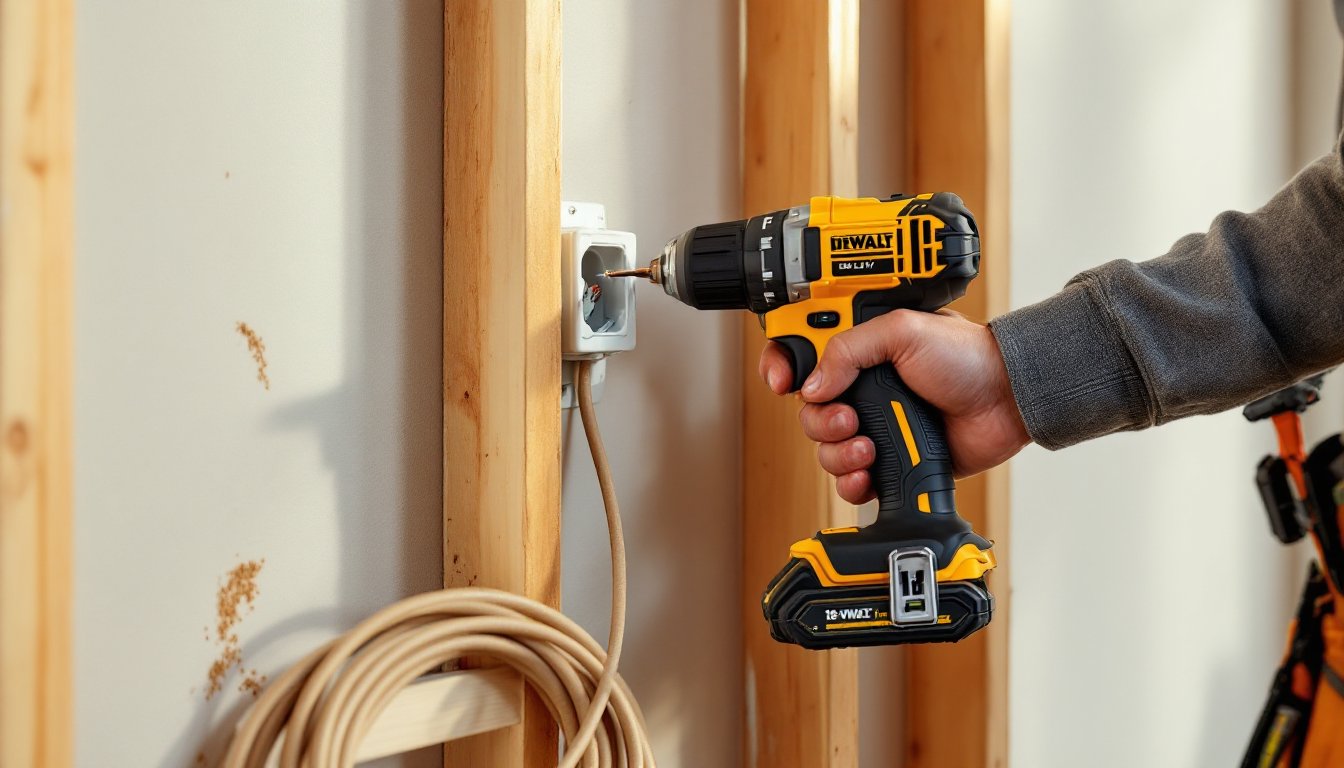
Working on electrical projects around the house doesn’t always require a licensed electrician, plenty of tasks fall squarely in the DIY-friendly zone. Installing a ceiling fan, running new outlets in a garage, or upgrading a light fixture are all within reach if you’ve got the right power tools and a healthy respect for the National Electrical Code (NEC). But choosing those tools can be tricky. Walk into any home center and you’ll find aisles of drills, cutters, and specialty equipment, most of it marketed with vague promises of “professional-grade performance.” This guide cuts through the noise and identifies the electrician power tools that actually matter for homeowners tackling wiring projects safely and efficiently.
Table of Contents
ToggleKey Takeaways
- Quality electrician power tools with UL certification and double-insulation protection are essential for safety, preventing shock hazards and fire risks when working with or near live circuits.
- A cordless drill/driver combo, oscillating multi-tool, and proper safety gear form the foundation for most basic electrical projects like installing outlets and running wire through framing.
- Precision and durability matter in electrical work—brushless motors and sealed battery compartments prevent mid-project failures in dusty, confined spaces like attics and crawl spaces.
- Advanced projects like basement finishing or panel upgrades require specialized tools such as hammer drills for masonry, cordless band saws for clean conduit cuts, and motorized fish tape reels for long wire runs.
- Always wear ASTM D120-rated insulated gloves, safety glasses with side shields, and verify local permit requirements before tackling electrical projects—some jurisdictions require licensed electricians for work beyond basic device replacement.
Why Quality Power Tools Matter for Electrical Work
Electrical work isn’t like hanging drywall or painting trim. Mistakes don’t just look bad, they create fire hazards, code violations, and safety risks for everyone in the house. That’s why electrician power tools need to meet a higher standard than general-purpose equipment.
Precision is non-negotiable. Drilling into a stud to fish wire through a wall requires depth control to avoid hitting existing plumbing or electrical lines. A cheap drill with a worn-out chuck can wander off-center, turning a simple installation into a repair nightmare. Quality tools maintain accuracy over thousands of cycles, which matters when you’re boring dozens of holes for a basement rewire.
Insulation and double-insulation ratings protect against shock when working near live circuits. Look for tools with UL certification and rubber-overmolded grips, these aren’t cosmetic features. They’re designed to interrupt current pathways if a blade or bit contacts a hot wire. Many pros won’t touch a tool without a visible double-insulated symbol (the square-within-a-square marking).
Durability also means fewer mid-project failures. Electrical work often happens in tight, awkward spaces: attics in summer, crawl spaces in winter, behind walls where dust and debris are constant. A brushless motor outlasts a brushed one by a factor of three or more in these conditions. Sealed battery compartments prevent corrosion from insulation fibers and drywall dust. If a tool fails halfway through fishing wire, you’re left with an open wall and a trip to the store, quality tools reduce that risk.
Must-Have Power Tools for Basic Electrical Projects
Most homeowner electrical work, installing outlets, running wire through framing, mounting junction boxes, requires just a handful of reliable power tools. Here’s what belongs in the kit.
Drills and Driver Sets for Electrical Installations
A cordless drill/driver combo is the workhorse of any electrical project. For basic installations, an 18V or 20V brushless model offers enough torque to drive 3-inch screws into studs while staying light enough for overhead work. Electricians favor compact models (under 7 inches head length) because they fit between studs and inside electrical boxes.
Key features to prioritize:
- Variable speed trigger for controlled starts when driving small screws into plastic boxes
- Clutch settings (minimum 15 positions) to avoid overtightening and cracking outlet housings
- LED work light positioned near the chuck, most electrical boxes are in dim corners
- Belt clip that attaches on either side: you’ll be climbing ladders with this tool regularly
Right-angle drills deserve a mention here. If you’re fishing wire through multiple stud bays, a standard drill won’t fit between 16-inch on-center framing. A right-angle drill with a 7/8-inch self-feed bit lets you bore clean holes for 12/2 or 14/2 Romex without chewing up the wood. Milwaukee and DeWalt both make corded models under $200 that earn their keep on larger projects.
For basic tasks like securing boxes and cover plates, many homeowners trust recommendations from sources focused on essential diagnostic tools to guide their purchasing decisions.
Rotary Tools and Cutting Equipment
Electrical work involves cutting metal boxes, notching studs for cable runs, and trimming drywall around new outlets. A few specialized cutting tools handle these tasks far better than a utility knife.
Oscillating multi-tools are indispensable for retrofit electrical work. The narrow blade slips behind drywall to cut outlet openings without damaging adjacent surfaces. Use a metal-cutting blade to trim old metal boxes flush with the wall, or a wood blade to notch a 2×4 for recessed wiring. Variable speed control (10,000–20,000 OPM) gives you precision on delicate cuts and power on dense framing lumber.
Reciprocating saws make quick work of cutting through walls for new service panels or sub-panels. A model with tool-free blade changes and an adjustable shoe saves time when switching between demo work and finish cuts. Pruning blades work surprisingly well for cutting through old cloth-wrapped wiring during remodels, just kill the circuit first.
Rotary tools (like a Dremel) serve a niche role: enlarging knockout holes in metal boxes, grinding burrs off cut conduit, and carving shallow channels in plaster for surface-mount wiring. A kit with a flex shaft attachment makes it easier to reach tight spots behind existing walls.
Safety note: Always wear eye protection and a dust mask when cutting. Drywall dust and metal shavings become airborne instantly, and both are hazardous if inhaled or lodged in the eye.
Advanced Tools for Serious DIY Electrical Work
Homeowners planning larger projects, finishing a basement, adding a detached garage, or upgrading a main panel, benefit from stepping up to more specialized electrical maintenance tools.
Hammer drills are essential when mounting surface boxes or conduit to concrete or masonry. The percussive action pulverizes aggregate while the bit rotates, making it possible to drill into cinder block or poured foundation walls without burning out the motor. Look for a model with a depth stop rod, over-drilling weakens anchor points and can crack brittle materials. Pair it with carbide-tipped masonry bits in common sizes (3/16-inch, 1/4-inch, and 3/8-inch).
Cordless band saws have become affordable enough for DIYers who work with metal conduit regularly. They produce cleaner, squarer cuts than a reciprocating saw, which matters when threading conduit or joining sections with compression fittings. A portable band saw also cuts strut (metal framing channel) for overhead conduit runs, common in garages and workshops.
Wire pulling systems aren’t exactly power tools, but battery-powered fish tape reels save enormous amounts of time on long runs. Manual fish tapes work fine for pulling 12/2 through a single stud bay, but running cable 40 feet through a finished ceiling is a different story. Motorized versions reduce fatigue and avoid tangles.
Knockout punches and conduit benders round out the advanced toolkit. Manual knockout sets require a ratcheting wrench and considerable hand strength: hydraulic battery-powered punches make clean holes in panels and junction boxes with minimal effort. Conduit benders (manual or electric) let you route EMT or rigid conduit around obstacles without kinking, critical for code compliance and wire protection.
Permit reminder: Many jurisdictions require permits and inspections for projects involving new circuits, sub-panels, or service upgrades. DIYers can often pull homeowner permits, but some municipalities require licensed electricians for anything beyond basic device replacement. Check local requirements before starting.
Safety Features to Look for When Choosing Electrical Power Tools
Electrician power tools operate in an environment where contact with live voltage is always a possibility. Even if you’ve shut off the breaker, a mislabeled panel or a backfed circuit can turn a routine task into an emergency. The right safety features reduce that risk.
Double insulation is the baseline. This construction uses two layers of non-conductive material to isolate internal components from the tool’s exterior, eliminating the need for a grounded (three-prong) plug. It’s standard on most modern cordless drills and saws, but always verify the symbol on the nameplate.
Kickback protection prevents the tool from spinning out of control if a bit binds. Drills with electronic clutches detect sudden resistance and cut power instantly. This feature is critical when drilling into walls where hidden fasteners or old wiring can snag a bit without warning.
Trigger locks and electric brakes prevent accidental starts and stop blades quickly after releasing the trigger. A saw blade coasting to a stop for five seconds is five seconds of potential contact with your hand, a wire, or a nearby stud. Electronic brakes halt rotation in under two seconds.
LED indicators for battery charge and motor temperature keep you aware of the tool’s condition. Overheated tools lose torque and can fail mid-cut, creating hazards if a blade binds. Low batteries reduce speed unpredictably, increasing the chance of kickback.
Non-conductive handles and guards made from reinforced polymer or rubber reduce shock risk. Avoid tools with exposed metal near the trigger or grip, if a cutting edge contacts a live wire, that metal becomes energized.
PPE is mandatory. Safety glasses with side shields, insulated gloves rated for electrical work (ASTM D120 standard), and ear protection for prolonged drilling are non-negotiable. A non-contact voltage tester should be in your pocket every time you open a junction box, even if you’ve flipped the breaker. Many detailed renovation guides on platforms like This Old House emphasize proper safety protocols alongside tool selection.
Conclusion
Owning the right electrician power tools doesn’t make someone an electrician, but it does make safe, code-compliant DIY electrical work possible. Start with a quality cordless drill, an oscillating multi-tool, and proper safety gear. As projects grow in scope, adding circuits, running conduit, upgrading panels, add hammer drills, band saws, and specialty equipment. Always respect the limits of DIY work: anything involving the main service panel, new circuits from the breaker box, or work requiring a permit is often best left to a licensed professional. But for the wide range of tasks in between, the right tools and a methodical approach keep the lights on safely.