A pool house isn’t just a changing room, it’s where function meets leisure. Whether it’s storing equipment, hosting summer gatherings, or creating a full-blown guest suite, the right pool house extends your home’s living space and keeps the main house cleaner and drier. For homeowners looking to maximize their outdoor investment, a well-planned pool house can boost property value, provide year-round utility, and turn an ordinary backyard into a genuine retreat. The trick is balancing style with practical needs, staying on budget, and navigating the permit process before breaking ground.
Table of Contents
ToggleKey Takeaways
- A pool house keeps swimmers, wet towels, and chlorine odors out of your main residence while increasing property appeal and resale value in outdoor-living markets.
- Backyard pool house ideas range from budget-friendly pergolas and prefab sheds ($2,000–$8,000) to fully enclosed climate-controlled structures requiring permits and professional installation.
- Essential features include a changing area, shower with slip-resistant flooring, kitchenette, and dedicated chemical storage in a ventilated cabinet away from heat sources.
- Modern minimalist pool house designs use clean lines, large glass panels, and Low-E insulation for energy efficiency, while rustic styles incorporate weatherproofed wood and soft color palettes.
- Secure building permits, confirm zoning and setback requirements (typically 5–10 feet from property lines), and hire licensed contractors for plumbing and electrical work to ensure code compliance and safety.
- Mini-split HVAC systems and wet-rated ceiling fans provide year-round climate control without ductwork, extending usability beyond summer months.
What Is a Pool House and Why Should You Build One?
A pool house is a freestanding or attached structure located near a swimming pool, designed to support pool activities and provide additional amenities. At minimum, it offers changing areas and storage for pool chemicals, floats, and maintenance equipment. Many homeowners expand functionality to include bathrooms with showers, kitchenettes, climate-controlled lounges, or even overnight guest quarters.
The primary benefit is keeping wet swimmers, muddy towels, and chlorine odors out of your main house. Instead of tracking water through the kitchen, guests change and rinse off steps from the pool. This separation preserves indoor flooring and reduces cleaning time.
Beyond convenience, a pool house increases property appeal. Buyers see it as a finished amenity rather than raw square footage, which can translate to higher resale value in markets where outdoor living is prized. It also creates a dedicated hub for outdoor entertaining, complete with seating, a wet bar, or grilling station.
Decide early what role the structure will play. A simple cabana with open sides and a roof provides shade and minimal storage at lower cost. A fully enclosed building with plumbing and electrical service requires permits, professional trades, and significantly more investment, but delivers year-round utility.
Modern Minimalist Pool House Designs
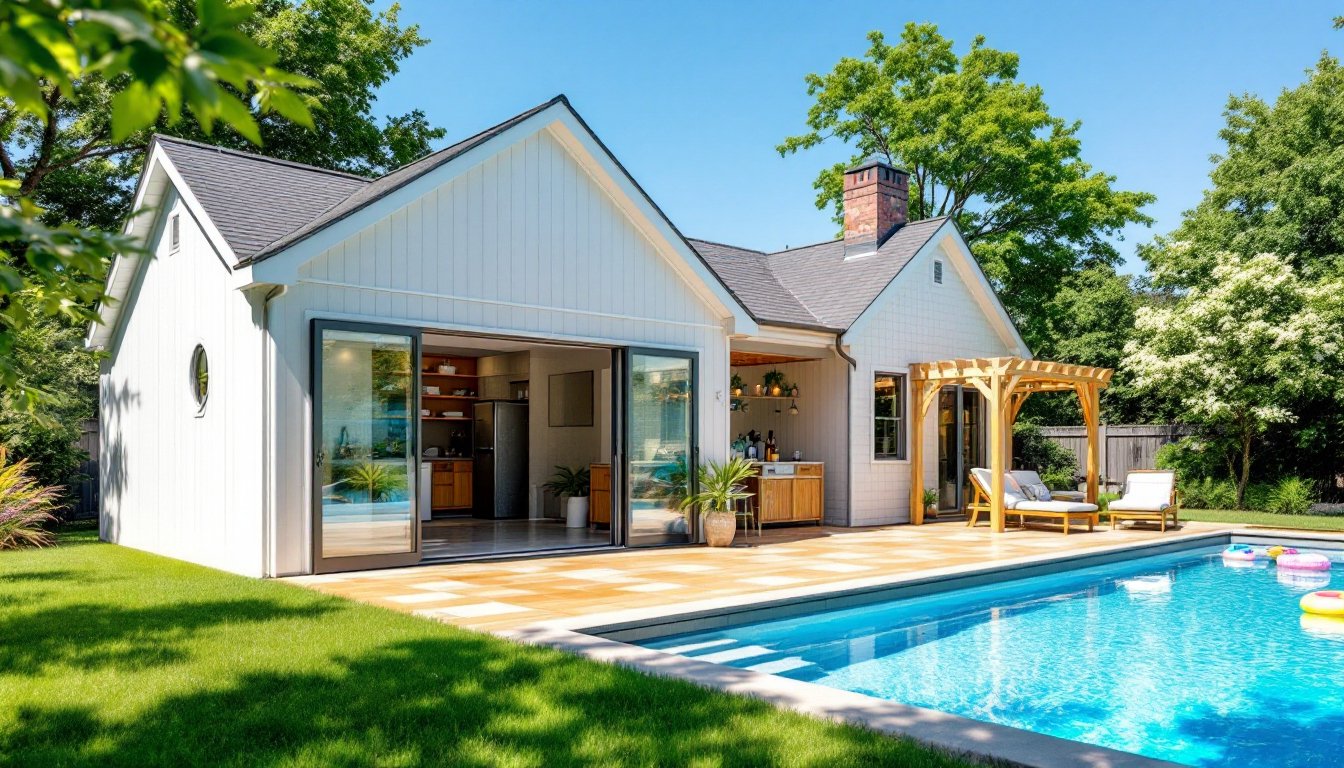
Modern pool houses emphasize clean lines, flat or low-slope roofs, and large expanses of glass. Materials lean toward fiber cement siding, stucco, or metal panel cladding in neutral tones, whites, grays, or charcoal black. The goal is to create a sleek backdrop that doesn’t compete with landscaping or the main residence.
Sliding glass doors or folding NanaWall-style systems blur indoor-outdoor boundaries, making a small footprint feel expansive. These doors typically run on aluminum or steel tracks and require level concrete slabs for smooth operation. Budget around $1,000–$3,000 per linear foot for quality multi-panel systems, depending on glass type and hardware.
Interior finishes stay minimal: polished concrete floors with radiant heating, floating vanities in the bathroom, and recessed LED lighting on dimmer switches. Open shelving in powder-coated steel or natural wood keeps pool gear accessible without visual clutter.
For energy efficiency, spec Low-E insulated glass and ensure wall assemblies hit at least R-13 insulation if climate-controlled. Many modern designs incorporate green roofs or solar panels on flat expanses, which work well in sunny climates and can offset electrical loads for lighting, HVAC, and a small refrigerator.
One design inspiration draws from contemporary farmhouse styles that blend modern geometry with rustic accents, proving minimalism doesn’t have to feel cold.
Rustic and Cottage-Style Pool Houses
Rustic pool houses lean into natural materials and cozy, lived-in aesthetics. Think board-and-batten siding, cedar shake roofs, exposed rafter tails, and stone or brick accents around the foundation or entry. These structures blend seamlessly into wooded or pastoral settings and pair well with traditional home architecture.
Reclaimed wood beams and barnwood wall treatments add character but require sealing against moisture and insects. Use a clear penetrating sealer or exterior-grade polyurethane on interior wood to prevent mold growth in humid, chlorine-heavy environments. Avoid raw, unsealed wood in wet areas, it’ll warp and discolor within a season.
Cottage-style pool houses often feature gable roofs with decorative brackets, window boxes planted with seasonal flowers, and Dutch doors that let in fresh air while keeping pets or toddlers contained. Interior details might include beadboard wainscoting, vintage-style fixtures, and open shelving made from salvaged lumber.
Color palettes stay soft: sage greens, creamy whites, and weathered blues are popular, echoing Southern coastal and garden traditions. Pair these with durable outdoor rugs, wicker seating, and galvanized metal storage bins for a lived-in, approachable feel.
One caveat: rustic doesn’t mean neglecting weatherproofing. Ensure all wood siding is properly primed and painted or stained with UV-resistant products. Check roof flashing around chimneys or skylights annually, and confirm gutters drain away from the foundation to prevent rot in rim joists or sill plates.
Essential Features to Include in Your Pool House
Start with a changing area, even a simple 4×6-foot room with hooks, a bench, and a privacy curtain beats dripping through the house. If plumbing is available, add a full bathroom with a walk-in shower (minimum 36×36 inches) and a toilet. Tile the shower floor with slip-resistant porcelain (look for a DCOF rating ≥0.42) and slope it properly toward the drain, at least 1/4 inch per foot.
A kitchenette extends entertaining hours. Include a small under-counter refrigerator, a sink with a garbage disposal, and weatherproof cabinetry. If cooking outdoors, run a dedicated 20-amp circuit (per NEC 210.52) for a countertop convection oven or microwave. Many homeowners add an outdoor griddle or grill under a covered patio adjacent to the pool house, keeping smoke and grease outside.
Storage is non-negotiable. Dedicate at least 64 cubic feet (an 8×4×2-foot closet) for pool chemicals, cleaning equipment, floats, and safety gear. Install chemical storage in a ventilated cabinet away from heat sources, chlorine and acids are corrosive and produce fumes.
Climate control makes the space usable beyond summer. A mini-split HVAC system (1–2 tons for most pool houses) provides heating and cooling without ductwork. Pair it with a ceiling fan (wet-rated for outdoor or high-humidity areas) to improve air circulation and reduce energy costs. Proper climate control helps with year-round pool upkeep by keeping stored equipment and chemicals at stable temperatures.
Finally, consider lighting on dimmers and weatherproof outlets (GFCI-protected, per NEC 210.8) both inside and outside the structure for evening use.
Budget-Friendly Pool House Options
Not every pool house requires a general contractor and a five-figure budget. A prefab shed (10×12 or 12×16 feet) can be customized into a functional cabana for $3,000–$8,000, depending on materials and features. Look for models with LP SmartSide or T1-11 siding, both of which handle moisture better than basic plywood.
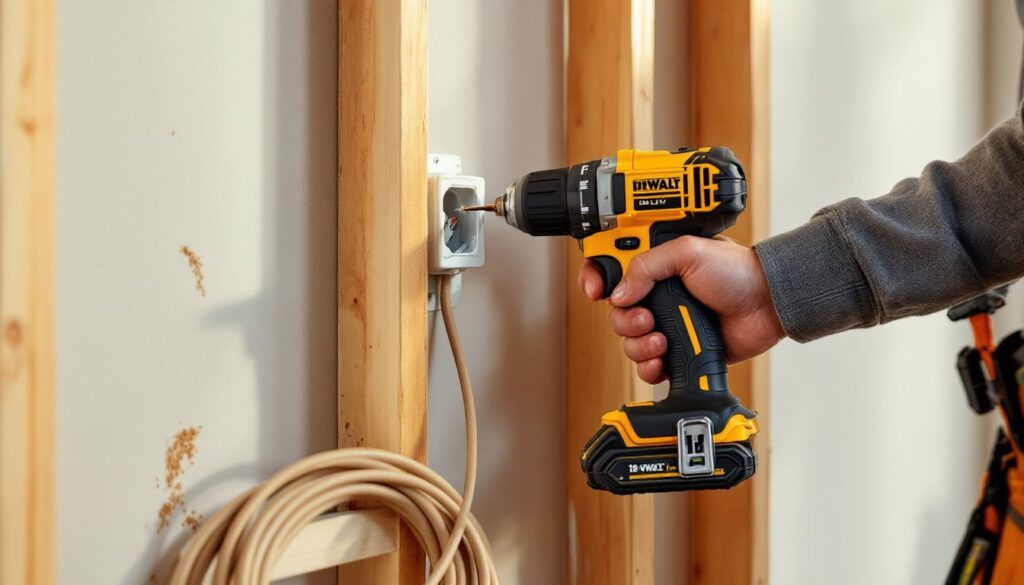
Upgrade the interior yourself: install vinyl plank flooring (waterproof LVP rated for wet areas), add wall hooks and open shelving, and paint with mildew-resistant exterior-grade paint. Skip the expensive built-ins and use freestanding plastic or resin storage cabinets, they’re affordable, easy to clean, and won’t rot.
If plumbing isn’t in the budget, place a portable outdoor shower with a privacy screen nearby. Gravity-fed solar showers work in warm climates: in cooler areas, run a garden hose to a tankless electric shower head (requires a 120V outlet). Pair this with a simple composting or portable toilet if codes and setbacks allow, though most jurisdictions require proper sewage hookups for permanent structures.
Another cost-saving move: build a pergola with partial walls instead of a fully enclosed building. Frame it with pressure-treated 4×4 or 6×6 posts, add lattice or privacy screens on two sides, and install ceiling hooks for curtains or roll-down shades. This setup provides changing privacy and shade for under $2,000 in materials if you DIY. Adding a pergola nearby can extend your lounging and dining areas without the expense of additional walls and roofing.
Keep long-term costs in check by understanding typical pool maintenance budgets and factoring them into your overall backyard investment.
Planning and Permits: What You Need to Know Before Building
Before ordering materials or breaking ground, confirm local zoning and setback requirements. Most jurisdictions require pool houses to sit a minimum distance from property lines, often 5–10 feet for accessory structures. If your lot is small or the structure is close to a neighbor’s fence, you may need a variance, which adds time and cost.
Building permits are required for any structure with plumbing, electrical service, or a foundation. Even a simple shed may need a permit if it exceeds a certain square footage (commonly 120–200 square feet, depending on jurisdiction). Expect permit fees between $200–$1,000, plus plan review and inspection costs.
If adding a bathroom, you’ll need a septic or sewer hookup approved by local health departments. Septic systems require percolation tests and minimum distances from wells, property lines, and water bodies. In many areas, a licensed plumber must install all waste and supply lines, and work must pass rough-in and final inspections.
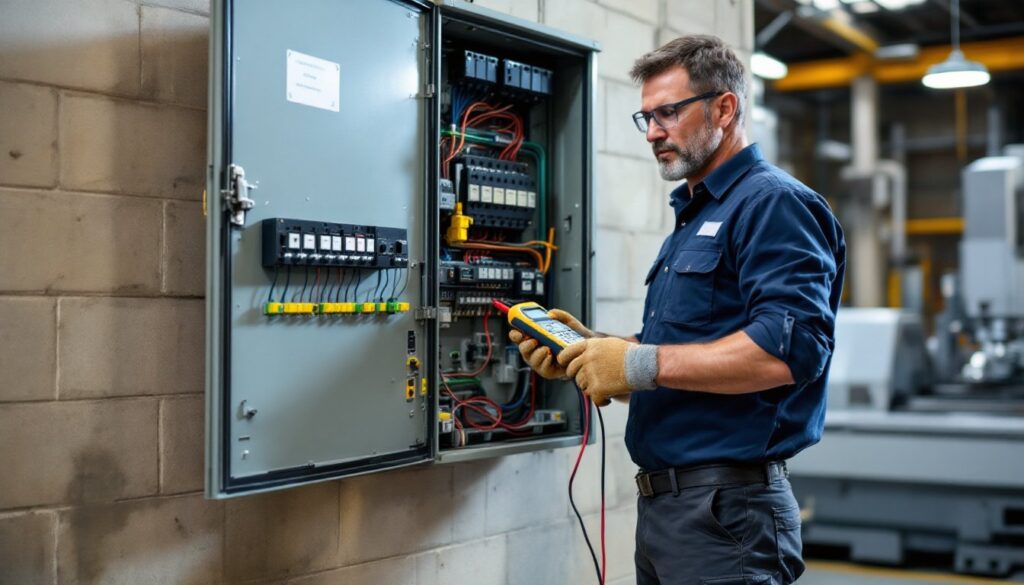
Electrical work must comply with the National Electrical Code (NEC). Pool houses typically need a dedicated sub-panel fed by an appropriately sized breaker in the main panel (often 60–100 amps for a fully equipped building). All outdoor and wet-area circuits require GFCI protection, and underground wire runs must be buried at code depth, usually 18 inches for GFCI-protected circuits in rigid conduit.
Hire a licensed electrician if you’re unfamiliar with load calculations, conduit bending, or panel work. Faulty wiring near water is a serious shock and fire hazard.
Finally, if your pool house will include overnight accommodations, check whether it’s classified as an accessory dwelling unit (ADU). ADUs often trigger additional requirements, separate meters, fire-rated assemblies, egress windows, and parking provisions. Discuss your plans with the building department early to avoid expensive redesigns mid-project.
Conclusion
A pool house is more than a luxury, it’s a practical investment that organizes your outdoor space, protects your home’s interior, and creates a dedicated zone for relaxation and entertaining. Whether opting for a modern glass pavilion or a cozy cottage-style retreat, prioritize the features that match how the space will actually be used. Plan carefully, secure the right permits, and don’t skip structural or weatherproofing details. Done right, a pool house becomes the most-used part of the property all season long.