Installing a pool fence isn’t just about ticking a box for local codes, it’s about protecting kids, pets, and guests while keeping your backyard looking sharp. The right fence does double duty: it meets safety standards and complements your outdoor design. Whether you’re after sleek glass panels, traditional wrought iron, or something budget-friendly and removable, there’s a solution that fits your property, your style, and your skill level. Here’s a breakdown of the best pool fence options, what they cost, and what to know before you build.
Table of Contents
ToggleKey Takeaways
- Pool fence ideas must meet International Residential Code (IRC) standards, requiring a minimum 48-inch height with self-closing, self-latching gates and gaps no wider than 4 inches to prevent accidents and ensure insurance coverage.
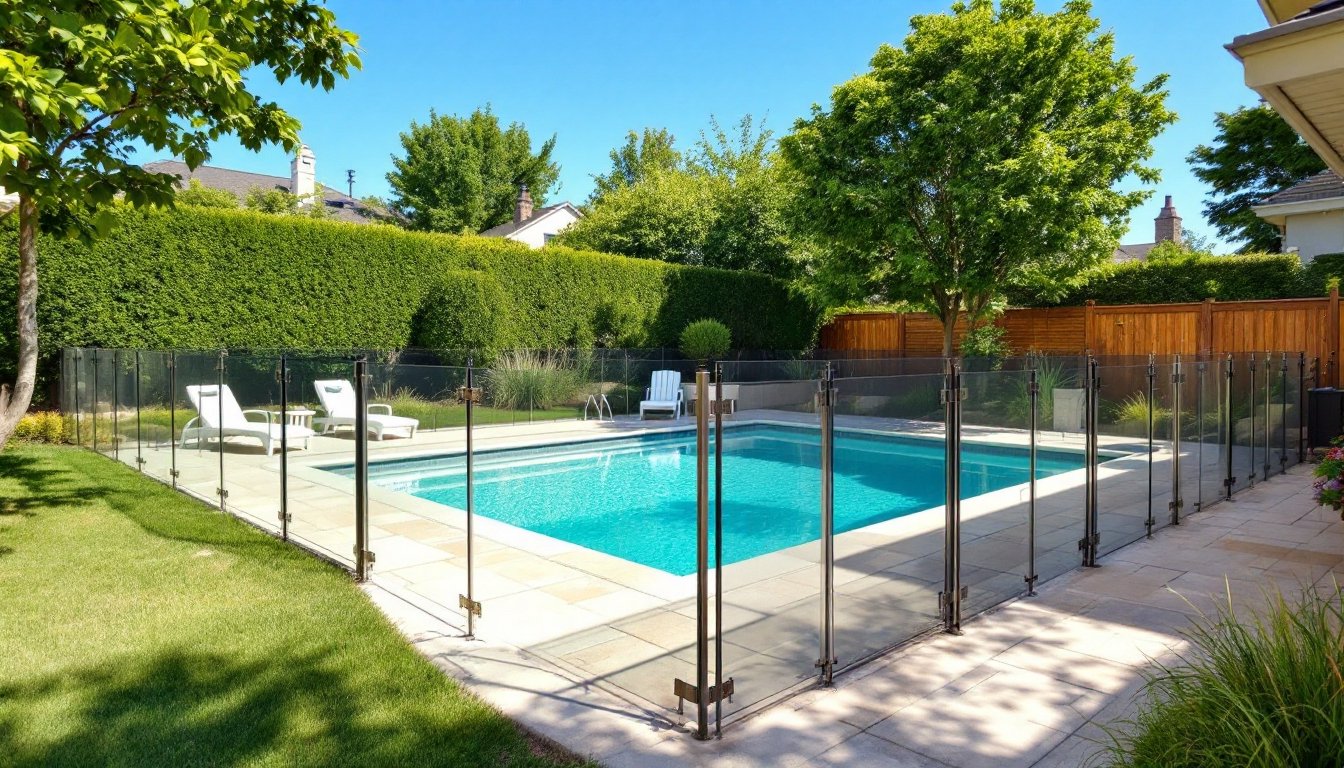
- Glass panel pool fences offer modern aesthetics and unobstructed views at $200–$600 per linear foot, but require professional installation and are heavier than alternatives like acrylic panels.
- Aluminum fencing is the most popular choice for traditional curb appeal, costing $20–$40 per linear foot and suitable for DIY installation, while wrought iron costs more and requires periodic repainting in humid climates.
- Wood and composite privacy fences provide natural aesthetics and wind buffering, with pressure-treated pine starting at $15–$25 per linear foot and composite options offering low maintenance at $30–$50 per linear foot.
- Mesh pool fences are the most budget-friendly temporary solution at $10–$20 per linear foot, ideal for rental properties or families with young children, though they don’t offer privacy and require regular maintenance.
- Creative designs like horizontal slat fences, cable rail systems, and combo fences (glass on the pool side, wood on the neighbor side) balance safety, aesthetics, and functionality for a finished backyard pool space.
Why Pool Fencing Matters: Safety Meets Style
Most jurisdictions require pool fencing under the International Residential Code (IRC) and local ordinances. The standard: a barrier at least 48 inches tall with self-closing, self-latching gates that open outward. Gaps between pickets or panels can’t exceed 4 inches to prevent a child from squeezing through.
Non-compliance isn’t just a code violation, it’s a liability. Homeowners insurance often requires compliant fencing before coverage kicks in. Skip it, and you could face fines or denied claims after an accident.
Beyond the legal side, a fence defines your pool zone, keeps debris out, and adds a finished look to the yard. Done right, it’s a design asset, not an eyesore. The key is balancing safety requirements with materials that suit your backyard’s vibe and your maintenance tolerance.
Glass Panel Pool Fences for Unobstructed Views
Tempered or laminated glass panels are the go-to for modern, high-end pools. They’re nearly invisible, keeping sightlines open from the deck to the water, ideal if you’re watching kids or just want to show off the pool design. Panels typically run 6 to 8 feet wide and 4 to 5 feet tall, mounted in stainless steel or aluminum posts.
Frameless glass looks cleanest but costs more: expect $200–$600 per linear foot installed, depending on thickness (½-inch is standard for strength) and hardware quality. Semi-frameless versions with top/bottom rails trim that price slightly.
Installation isn’t a weekend DIY unless you’ve got glass-handling experience and a helper. Panels are heavy, upwards of 100 pounds each, and require level, stable footings. Most homeowners hire out. Maintenance is low: hose off pollen and handprints with a squeegee. The downside? Glass doesn’t offer privacy, and it can crack under impact, though tempered glass is designed to shatter safely.
If budget‘s tight, consider acrylic panels as an alternative. They’re lighter and cheaper but scratch easier and yellow over time under UV exposure.
Classic Wrought Iron and Aluminum Fencing
Wrought iron and powder-coated aluminum fences deliver traditional curb appeal and durability. Vertical pickets spaced 3 to 4 inches apart meet code and give an open, airy feel. Aluminum’s the more common choice today, it won’t rust, weighs less, and costs less than true wrought iron.
Aluminum pool fencing runs $20–$40 per linear foot for materials: add labor if you’re not installing yourself. Wrought iron doubles that or more, and it requires periodic repainting to prevent rust, especially in humid or coastal climates.
Installation is straightforward for a confident DIYer. Most systems use pre-assembled panels (4-, 6-, or 8-foot sections) that bolt to posts set in concrete. You’ll need a post-hole digger, level, and a drill. Gates require careful shimming to ensure the self-closing hinge and latch function correctly under inspection. Many kits sold through big-box stores meet IRC specs, but confirm gate latch height (typically 54 inches minimum from grade) before you buy.
Metal fences work well if you want visibility and a classic look. They pair nicely with backyard features like stone patios or traditional landscaping. Downside: zero privacy, and pickets don’t block wind or noise.
Natural Wood and Composite Privacy Fences
For privacy and a natural aesthetic, cedar, redwood, or pressure-treated pine fences top the list. A solid-board or board-on-board design blocks sightlines from neighbors and buffers wind. Standard height is 6 feet, but pool code may require a lower section (48–54 inches) with minimal gaps near the pool itself, check local rules.
Cedar and redwood resist rot naturally and age to a silver-gray patina. Pressure-treated pine is cheaper ($15–$25 per linear foot for materials) but needs annual sealing to prevent warping and splitting. Composite fencing, recycled plastic and wood fiber, costs more upfront ($30–$50 per linear foot) but skips the staining and sealing.
DIY installation is doable: dig post holes 24–36 inches deep, set 4×4 posts in concrete, then screw or nail pickets to 2×4 horizontal rails. Use a string line and level to keep everything plumb. Gates need heavy-duty hinges and a code-compliant latch.
Wood and composite fences shine when you want to block views or create a resort-like enclosure. They’re also forgiving if you’re new to fencing, mistakes are easier to fix than with glass or metal. Trade-off: they’re opaque, so you lose the visual connection to the pool from outside the fence. Composite also heats up in direct sun, which can be uncomfortable to lean against.
Mesh and Removable Pool Fence Solutions
Mesh pool fences are the budget-friendly, temporary option. They’re made from UV-resistant polyester or nylon mesh stretched between aluminum or fiberglass poles anchored into deck sleeves. Most systems are 4 feet tall and meet ASTM safety standards for pool barriers.
Cost is the big draw: $10–$20 per linear foot installed, often sold as DIY kits. The mesh is semi-transparent, so it doesn’t obstruct views entirely, and the fence can be rolled up and removed off-season or when hosting. Installation takes a few hours, drill sleeves into concrete decking, insert poles, and clip the mesh in place.
These fences work best as a secondary barrier or for families with young kids who’ll outgrow the need in a few years. They’re also popular for rental properties or homes where permanent fencing isn’t allowed. Limitations: mesh sags over time, doesn’t offer privacy, and won’t stand up to a determined dog or heavy impact. It’s not a structural fence, think of it as a visual and code-compliant deterrent.
For regular pool maintenance and seasonal use, mesh fencing offers flexibility without the commitment of permanent materials.
Creative Alternatives: Hedges, Horizontal Slats, and Modern Designs
Not every pool fence needs to scream “fence.” Creative designs blend safety with landscape architecture.
Living hedges, boxwood, privet, or arborvitae, can serve as a natural barrier if they’re dense, maintained at the required height, and paired with a low rail or wire to meet gap requirements. Growth takes time (2–4 years to fill in), and trimming is ongoing. Hedges alone rarely satisfy code without a supplemental barrier.
Horizontal slat fences (wood or composite) deliver a modern, mid-century look. Slats run parallel to the ground with 2- to 4-inch gaps between boards. They offer partial privacy and strong visual interest. Material and install costs mirror traditional wood privacy fences.
Cable or wire rail systems use stainless steel cables tensioned between posts, popular in contemporary backyard designs. They’re nearly invisible, durable, and low-maintenance. Code compliance can be tricky: cables must be spaced close enough (often 3 inches or less) to prevent a child from climbing through. Expect $50–$80 per linear foot installed.
Decorative metal panels (laser-cut aluminum or corten steel) add artistic flair. Custom designs run expensive but turn the fence into a feature wall. For inspiration on safe and stylish options, resources like The Spruce and Family Handyman’s pool fence ideas showcase a range of materials and layouts.
Combo fences, glass on the pool side for views, wood on the neighbor side for privacy, offer the best of both worlds. They require careful planning and often a pro installer, but the result is a custom look that works with your lot layout.
Conclusion
The right pool fence depends on your priorities: budget, aesthetics, privacy, and how much upkeep you’re willing to tackle. Glass panels offer unbeatable sightlines, metal fences bring classic durability, wood and composite create private retreats, and mesh solutions work for temporary needs. Whatever route you choose, confirm it meets local code before you build, and don’t skip the gate hardware, that’s where most inspections fail. A well-chosen fence keeps everyone safe and makes your backyard pool feel like a finished, intentional space.